


Have you ever strolled through a park, bread crumbs in hand, ready to treat the local birds? It might seem harmless, or even kind.
After all, generations of families have shared this simple joy. But what if feeding birds bread does more harm than good? What if your well-intended gesture is actually putting your feathered friends at risk? We're diving deep into why you should think twice before tossing that slice.
You'll discover eye-opening reasons and simple alternatives that ensure your wildlife encounters are truly beneficial. Stick around, because what you learn here could change the way you interact with nature forever.
Why Bread Is Harmful To Birds
Feeding birds bread might seem harmless, but it's quite the opposite. Bread lacks essential nutrients, leading to health problems for birds. It fills their stomachs without providing necessary vitamins and minerals. This can lead to malnutrition and other health issues.
Nutritional Deficiencies
Bread offers little nutritional value to birds. Its composition is mostly carbohydrates. Birds need a varied diet rich in proteins, fats, and vitamins. A diet heavy in bread can cause nutritional deficiencies. These deficiencies weaken birds, making them prone to diseases.
Digestive Issues
Bread can cause digestive issues in birds. It can swell in their stomachs, leading to discomfort. This swelling can also block their digestive tract. Birds may struggle to process the bread, causing further health problems. Fermentation in their stomachs can lead to bloating and gas.
Common Misconceptions About Feeding Bread
Many people believe feeding birds bread is helpful. This is a common misconception. Bread seems like a harmless treat. Yet, it can harm birds in several ways. It's important to understand why bread isn't suitable for birds. Let’s explore some common misconceptions.
Bread As A Staple Food
Many see bread as a staple in their diet. This leads to the belief that it suits birds too. Bread fills the stomach but lacks essential nutrients. Birds need proteins, fats, and vitamins. Bread offers little of these. Regularly feeding birds bread can make them sick. It can lead to malnutrition and other health issues.
Birds' Natural Diet Preferences
Birds have specific natural diet preferences. They eat seeds, fruits, and insects. These foods provide the nutrition they need. Bread does not fit into their natural diet. Feeding them bread can disrupt their normal eating habits. It can also make them dependent on human handouts. This affects their ability to forage for food.
Impact On Bird Health
Feeding birds bread is a common practice. It seems harmless, but it impacts bird health negatively. Bread lacks nutrients birds need. It can lead to serious health issues. Understanding these issues can help protect our feathered friends.
Obesity And Malnutrition
Bread is high in carbohydrates. Birds that eat too much bread gain weight quickly. They become obese. Obesity makes it hard for birds to fly. It affects their ability to escape predators. Bread also lacks essential nutrients. Birds miss out on vitamins, minerals, and proteins. This leads to malnutrition. Malnourished birds have weak bones and poor feathers. They struggle to survive in the wild.
Disease Susceptibility
Bread can cause health problems in birds. It makes them more prone to diseases. When birds eat bread, their digestive system suffers. Bread swells in their stomachs, causing discomfort. This leads to bacterial infections. These infections weaken the birds. They become easy targets for other diseases. Sick birds spread diseases to other birds. This affects entire bird populations.
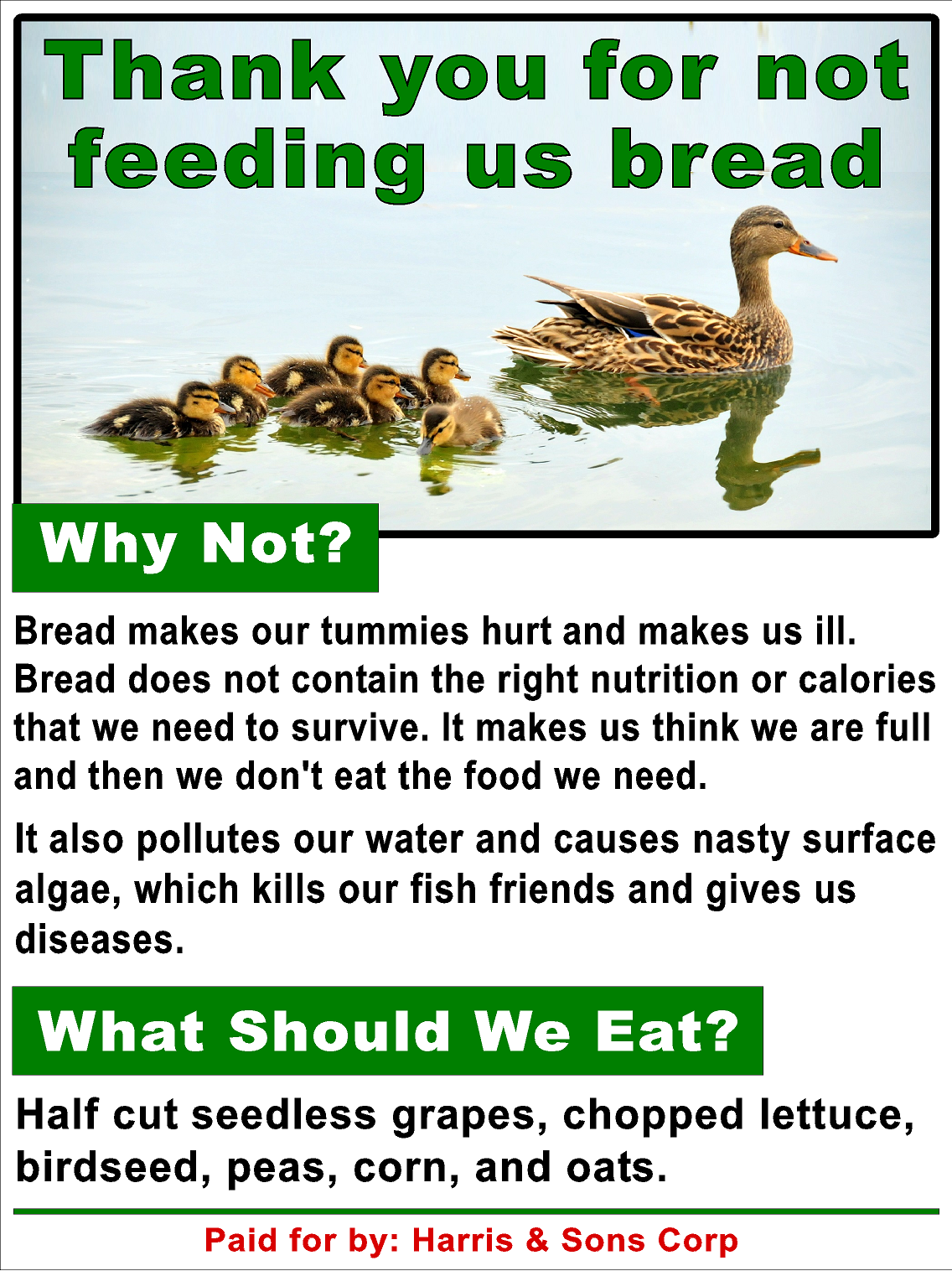
Credit: salagraphics.com
Environmental Consequences
Feeding birds bread might seem harmless, but it harms the environment. Bread lacks nutrients birds need, leading to health problems. It also affects the delicate balance in ecosystems. These environmental consequences can have far-reaching impacts.
Disruption Of Ecosystems
Birds fed bread abandon their natural diet. This disrupts local ecosystems. Birds may rely too much on human food. They stop foraging for insects and plants. This change affects insect populations. It can also impact plant growth and seed dispersal.
When birds don't eat insects, insect numbers increase. This affects the entire food chain. Plants suffer because fewer birds spread seeds. Over time, this disrupts the natural balance.
Attracting Predators
Feeding birds bread attracts more than just birds. Bread leftovers draw in predators like rats and raccoons. These animals pose threats to birds and their young. They may eat bird eggs or attack chicks.
Increased predator presence stresses bird populations. It also affects other wildlife. As predators increase, they compete for food. This can lead to a decline in native species.
Feeding bread to birds inadvertently invites trouble. It alters the local wildlife dynamics. Protecting birds means letting them find their own food.
Alternatives To Bread
Feeding birds bread can harm their health, leading to malnutrition and digestive issues. Opt for healthier alternatives like seeds, nuts, or fruits. Providing these options helps maintain the birds' natural diet and supports their wellbeing.
If you've ever visited a park, chances are you've seen people tossing bread to birds. It seems harmless, even kind. But did you know feeding bread to birds can harm them? Bread lacks the nutrients birds need and can lead to health issues. So, what should you feed them instead? Let's dive into some healthier alternatives and ways to create a welcoming environment for our feathered friends.
Healthy Food Options
There are plenty of nutritious options that birds love. Seeds and grains, such as sunflower seeds, cracked corn, and millet, provide essential nutrients. You can easily find these at your local pet store. Fresh fruits and vegetables are also great choices. Apples, berries, and peas offer vitamins birds need. Just make sure to cut them into small pieces. Nuts, like unsalted peanuts and almonds, are another excellent option. They provide protein and healthy fats. However, remember to crush them into smaller pieces to prevent choking.
Creating Bird-friendly Habitats
Beyond feeding, consider how you can make your garden a bird haven. Plant native shrubs and trees to provide natural food sources and shelter. Install bird feeders and baths. This will attract a variety of species. Ensure feeders are clean and filled with the right food. Think about safety. Keeping cats indoors or providing covered areas can protect birds from predators. Have you ever noticed how birds flock to a well-maintained garden? It's all about creating a welcoming space. By offering nutritious food and a safe environment, you help birds thrive. Why not try these tips and see the difference in your backyard?
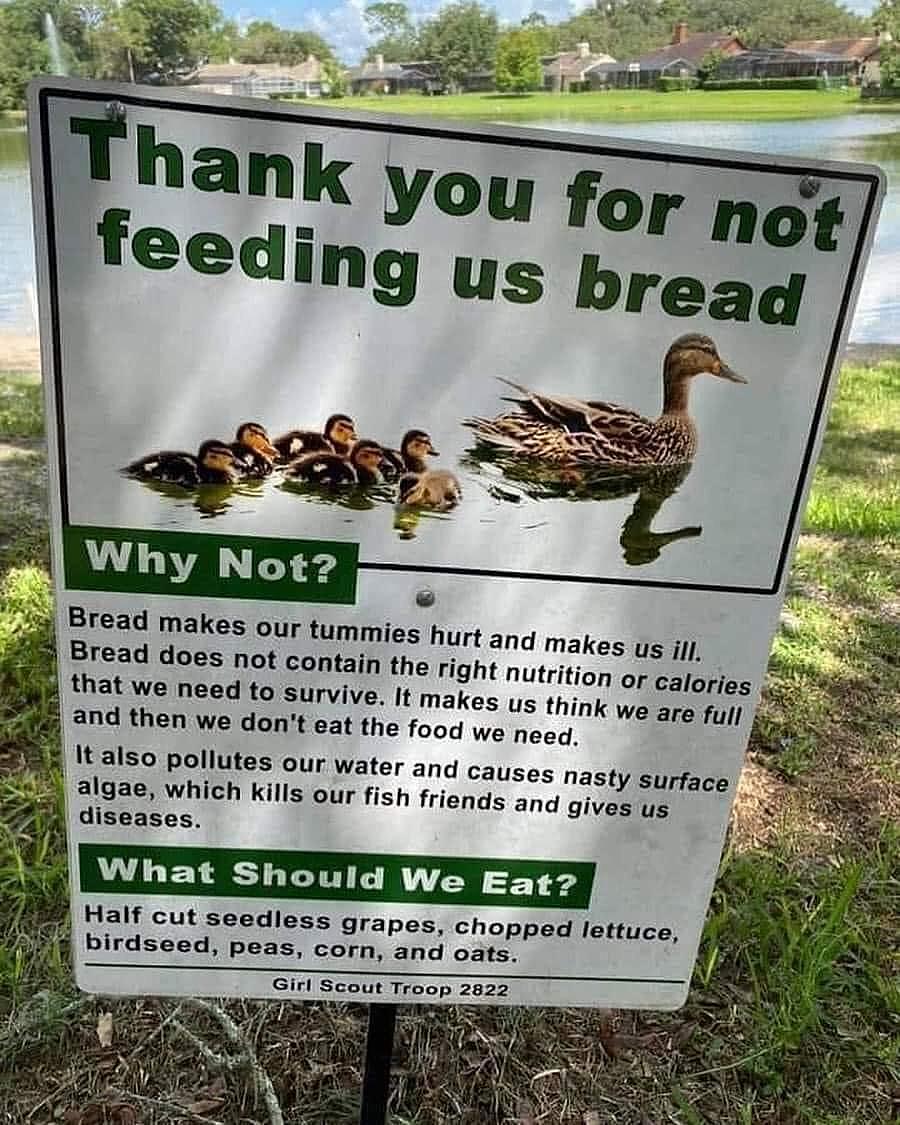
Credit: bigfrog104.com
Promoting Responsible Bird Feeding
Feeding birds is a delightful activity. But it requires responsibility. Bread can harm birds. It lacks the nutrients they need. Promoting responsible bird feeding is crucial. It ensures birds stay healthy and thrive.
Educating The Public
Public education is vital. Many people think bread is good for birds. It's not. Informative campaigns can change this belief. Flyers and posters can spread the word. Social media is also effective. Share informative posts and videos. People learn better when information is clear.
Community Initiatives
Communities can make a difference. Organize bird-feeding workshops. Teach proper feeding techniques. Explain why bread is harmful. Demonstrate alternatives like seeds. Involve local schools and parks. Create bird-friendly spaces. Encourage residents to participate. Together, communities can promote healthy bird habits.
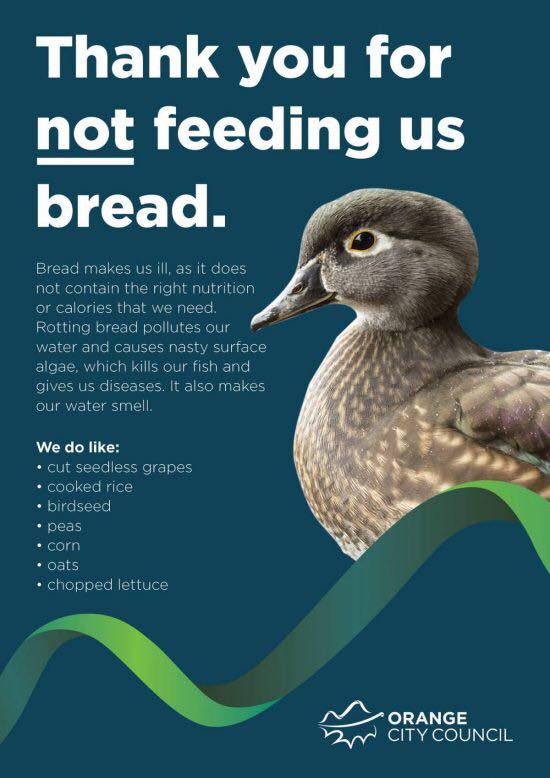
Credit: www.nestandglow.com
Frequently Asked Questions
Why Shouldn't You Feed Bread To Birds?
Feeding birds bread can harm their health. Bread lacks essential nutrients that birds need. It can cause malnutrition, especially in young birds. Additionally, moldy bread can be toxic and lead to diseases.
What Are The Effects Of Bread On Bird Health?
Bread can lead to poor nutrition and obesity in birds. It fills them up with empty calories, preventing them from eating nutritious food. This can weaken their immune systems and make them vulnerable to diseases.
Is Bread Harmful To All Bird Species?
Yes, bread is generally harmful to all bird species. It doesn't provide the necessary nutrients birds require. Feeding bread can lead to long-term health issues, affecting their growth and overall well-being.
Are There Safe Alternatives To Bread For Birds?
Yes, there are many safe alternatives to bread. Seeds, grains, and fruits are excellent choices. Mealworms and suet are also nutritious options. Providing natural food helps birds maintain a balanced diet.
Conclusion
Bread harms birds. It lacks essential nutrients. Birds need proper food for health. Seeds, fruits, and insects are better. These foods support strong bones and energy. Feeding bread can lead to malnutrition. It also attracts pests and pollutes water. Responsible feeding protects local bird populations.
Enjoy watching birds thrive in their natural habitat. Choose nature-friendly options. They benefit both birds and the environment. Help birds stay healthy and happy. Share this knowledge with friends and family. Together, we can make a difference for our feathered friends.