


Have you ever wondered if feeding birds in summer is a good idea or if it disrupts their natural habits? You’re not alone.
Many bird enthusiasts and nature lovers find themselves pondering this very question. As the sun shines brighter and the days grow longer, you might notice more feathered visitors in your backyard. It’s tempting to offer them a treat, but is it really beneficial for them?
We’ll explore the surprising benefits and potential drawbacks of feeding birds during the warmer months. By the end, you’ll have a clearer understanding of how your actions can impact your local bird population. Ready to discover how you can make your backyard a haven for birds all year round? Let’s dive in.
Reasons To Feed Birds In Summer
Feeding birds in summer might seem unnecessary. But it offers many benefits. Birds need extra energy during this season. It helps them with nesting and raising their young. Let's explore why feeding birds in summer is important.
Support During Breeding Season
Summer is a busy time for birds. They build nests and care for chicks. Providing food helps them focus on their tasks. It makes their job a bit easier.
Attract A Variety Of Bird Species
Feeding birds attracts different species to your yard. You might see colorful birds that usually stay hidden. This makes birdwatching more exciting.
Help Birds In Urban Areas
Birds in cities have fewer natural food sources. Feeding them gives them the nutrition they need. It helps them survive in concrete jungles.
Enhance Your Garden's Ecosystem
Birds help control insects in your garden. They eat pests that harm your plants. Feeding birds encourages them to stay and protect your garden.
Build A Connection With Nature
Feeding birds lets you enjoy nature's beauty up close. It brings a sense of peace and wonder. Watching birds can be a relaxing hobby.
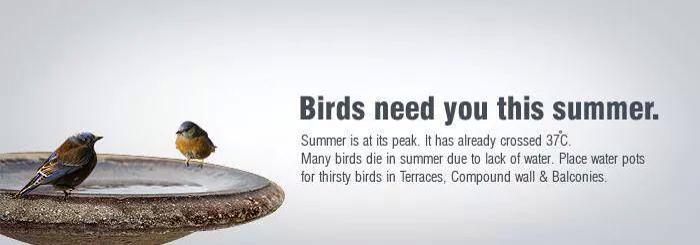
Credit: www.jivdayatrust.org
Types Of Bird Food For Summer
Feeding birds in summer keeps them healthy and active. Offer seeds, fresh fruits, and mealworms. Hydration is key; provide clean water.
Feeding birds in summer can be a delightful way to connect with nature and support local wildlife. As temperatures rise, birds may face challenges finding food sources that provide the right nutrients. Selecting the right types of bird food can ensure your feathered friends stay healthy and vibrant. Let's dive into some of the best options for feeding birds during the warmer months.
Seeds And Nuts
Seeds and nuts are a staple in many bird diets. In summer, birds often seek high-energy foods to sustain their active lifestyles. Sunflower seeds are a great choice, loved by many birds for their high-fat content. Consider adding peanuts to your offerings. They are rich in protein and can attract a variety of birds. Ensure they are unsalted and offered in moderation. Millet is another excellent seed option. It's particularly popular among smaller birds like sparrows and finches.
Fruits And Berries
Summer is a time of abundance for fruits and berries. These foods provide natural sugars and hydration, making them perfect for warmer weather. Offer pieces of apple or grapes in a bird feeder. These fruits are not only tasty but also packed with essential vitamins. Consider planting berry bushes in your garden. They can attract birds naturally and provide a continuous food source throughout the season.
Nectar For Hummingbirds
Hummingbirds are a sight to behold with their vibrant colors and rapid wing flaps. They thrive on nectar, which provides the energy they need. Mix a simple nectar solution using four parts water to one part sugar. Avoid using honey or artificial sweeteners, which can be harmful. Place a hummingbird feeder in a shaded spot to prevent the nectar from spoiling. Clean the feeder regularly to ensure the health of these tiny wonders. Do you have a favorite bird food you like to offer in summer? Share your experiences in the comments below! Your tips might just help another bird lover create a welcoming haven.
Choosing The Right Bird Feeder
Feeding birds in summer brings joy and beauty to your garden. Choosing the right bird feeder is crucial for attracting your feathered friends. The right feeder can make birdwatching more enjoyable. It helps accommodate different bird species with ease.
Consider bird preferences and your garden layout. This ensures you select the most suitable feeder. Here are some popular bird feeder options to consider.
Tube Feeders
Tube feeders are versatile and attract a variety of birds. They have multiple feeding ports. This design allows several birds to eat at once. Ideal for finches, sparrows, and chickadees. They come in different sizes to suit your needs. Hang them from trees or hooks for best results.
Platform Feeders
Platform feeders are simple and open. They attract a wide range of birds, including larger species. These feeders accommodate birds like cardinals, jays, and doves. Place them on a stand or hang them. Easy to clean and refill, making them a favorite among bird enthusiasts.
Hummingbird Feeders
Hummingbird feeders are designed for nectar-loving birds. Their bright colors attract hummingbirds easily. These feeders have small feeding ports to prevent insects. Fill them with sugar water to draw in these tiny marvels. Hang them in a quiet spot for the best viewing experience.
.jpg)
Credit: www.kaytee.com
Placement Of Bird Feeders
Feeding birds in summer is a delightful activity for nature lovers. The placement of bird feeders is crucial for attracting birds. It also ensures their safety and comfort. This section will guide you on the best practices for placing bird feeders.
Safety From Predators
Position bird feeders away from bushes and thick trees. Predators hide in these areas, waiting to pounce. Choose an open spot where birds can see danger coming. Ensure the feeder is high enough from ground predators. Cats and other animals can easily reach low feeders. Secure feeders to prevent them from falling.
Shade And Shelter
Birds need shade during hot summer days. Place feeders under a tree or near a building. This provides relief from the sun and heat. Shelter protects birds from rain and wind. Ensure the feeder is stable during harsh weather. A well-placed feeder keeps birds comfortable and returning.
Visibility For Birds
Birds prefer spots where they can easily see feeders. Bright colors or movements attract their attention. Keep feeders visible from multiple angles. Birds will find feeders quicker if they are not hidden. Avoid placing feeders behind obstacles like fences or walls. Clear visibility invites more birds to visit.
Benefits Of Summer Bird Feeding
Feeding birds in summer supports their nutritional needs during breeding season. Fresh food attracts vibrant bird species to gardens. Watching colorful birds offers relaxation and connects people with nature.
Feeding birds in the summer might not seem necessary at first, but it offers numerous benefits that can enhance your backyard experience while supporting local wildlife. While spring and winter are often highlighted as crucial feeding times, summer provides its unique opportunities. By choosing to feed birds during these warmer months, you not only aid their survival but also contribute to their health and conservation.
Supporting Bird Health
Summer can be a challenging time for birds, especially during dry spells when natural food sources are scarce. By providing a variety of seeds, nuts, and fruits, you help maintain their health and energy levels. You might notice more vibrant plumage and energetic behavior, as your efforts offer them the nutrients they need. Birds, just like humans, benefit from a balanced diet. Offering a mix of bird feed ensures they get essential vitamins and minerals. Have you ever thought about the role you play in a bird's daily life simply by filling a feeder?
Enhancing Bird Watching Experience
Summer bird feeding can transform your backyard into a lively, colorful haven. Expect to see a variety of species, from bright yellow finches to playful sparrows, all drawn to your feeders. Each visit becomes a chance to observe behaviors and interactions unique to this season. Watching birds in summer can be a relaxing and educational pastime. It's fascinating to see how different species interact or how they adapt their feeding habits. Have you ever considered keeping a journal to note the different birds and their behaviors?
Contribution To Bird Conservation
By feeding birds in summer, you contribute directly to local conservation efforts. Consistent feeding supports bird populations, especially those affected by habitat loss or climate change. Every seed you offer can make a difference in a bird's ability to thrive. Your backyard can become a safe space for birds, providing them with the resources they need. This small act of kindness supports broader conservation goals. What if your simple gesture today leads to a healthier bird population tomorrow? Feeding birds in summer is more than a hobby; it's a meaningful way to connect with nature and support your local ecosystem. Whether you're a seasoned bird watcher or a newcomer to the hobby, the benefits of summer bird feeding are abundant and rewarding.
Common Challenges And Solutions
Feeding birds in summer can attract pests and lead to moldy food. Store seeds in cool, dry places to prevent spoilage. Adjust feeding schedules to discourage unwanted guests.
Feeding birds in summer brings joy and liveliness to your garden. But it also comes with challenges. Understanding these can enhance the experience. Solutions are simple, and nature-friendly.
Dealing With Squirrels
Squirrels are clever and persistent. They raid bird feeders often. Use squirrel-proof feeders to discourage them. Hanging feeders from thin wires helps too. Place feeders away from trees and branches. Squirrels prefer easy access. Baffles can be effective. They stop squirrels from climbing poles.
Preventing Mold And Spoilage
Warm weather accelerates food spoilage. Mold harms birds. Clean feeders regularly to prevent this. Choose feeders with good drainage. They keep seeds dry. Store bird food in airtight containers. This extends its life. Offer smaller portions to minimize waste.
Managing Aggressive Bird Species
Some birds dominate feeders. They scare away smaller ones. Provide multiple feeding stations. This reduces competition. Use different types of feeders. Tube feeders favor smaller birds. Avoid feeding birds that bully others. Watching interactions helps identify them. Adjust feeder locations as needed.
Creating A Bird-friendly Environment
Feeding birds in summer offers them extra nutrients during breeding season. Providing seeds and fresh water attracts diverse species to your garden. Create a safe and inviting habitat with bird baths and native plants to support their needs.
Creating a bird-friendly environment during summer can enrich your garden. It invites a variety of birds, offering them a safe haven. Birds play a crucial role in maintaining the ecological balance. They help with pollination and pest control. Understanding how to create a welcoming space for them is essential.
Providing Water Sources
Birds need fresh water for drinking and bathing. Adding birdbaths or shallow ponds can attract them. Ensure water is clean and replenished regularly. Consider placing the water source in a shaded area. This helps keep the water cooler during hot days.
Planting Native Flora
Native plants are vital for bird-friendly habitats. They offer natural food sources like berries and seeds. Birds are attracted to familiar flora. Native plants also provide shelter and nesting sites. Choose plants that thrive in your local climate.
Ensuring Safe Nesting Areas
Safety is key for nesting birds. Create areas free from predators and disturbances. Install birdhouses or nesting boxes. Ensure they are sturdy and well-placed. Keep them away from busy areas of the garden. Protecting these areas encourages birds to return.
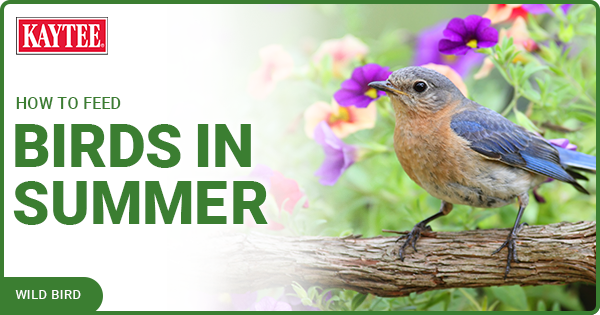
Credit: www.kaytee.com
Frequently Asked Questions
Should You Feed Birds In Summer?
Feeding birds in summer can provide essential nutrients, especially during breeding season. Many birds rely on feeders for quick energy sources. It's a great way to observe bird behavior. Ensure you provide fresh water and clean feeders regularly to prevent disease.
Adjust the food type to cater to local bird species.
What Food Is Best For Summer Birds?
Offer a variety of seeds, like sunflower seeds and millet, to attract different birds. Fruits like berries and grapes are also popular. Suet is not recommended in hot weather as it can spoil. Ensure food is fresh and free from mold.
Adjust feeding based on bird activity in your area.
How Often Should You Clean Bird Feeders?
Clean bird feeders every two weeks to prevent disease and mold. Use hot, soapy water and rinse thoroughly. In hot weather, more frequent cleaning may be necessary. Regular maintenance ensures birds have a healthy feeding environment. Check for signs of wear and replace damaged feeders promptly.
Do Birds Need Water In Summer?
Yes, birds need water for drinking and bathing in summer. Provide a shallow birdbath with clean, fresh water. Change the water daily to prevent algae and bacteria. Place the birdbath in a safe location, away from predators. A water source can attract more birds to your garden.
Conclusion
Feeding birds in summer can be rewarding and fun. Birds benefit from extra food. Their diet helps them stay healthy and active. You enjoy watching their colorful visits. Choose bird-friendly foods like seeds and fruits. Keep feeders clean to avoid disease.
Ensure fresh water is available. Birdwatching can be a peaceful pastime. It connects you with nature's wonders. Encourage others to join in this activity. Together, you create a supportive environment for birds. Both you and the birds benefit. Enjoy the simple joys of summer bird feeding.
Nature will thank you.