


Are you worried about the impact of lawn care products on the wildlife in your backyard? If you're using weed and feed to keep your lawn looking lush and pristine, you might be wondering if these chemicals could harm the birds that visit your garden.
Birds bring joy and vibrancy to our outdoor spaces, and the last thing you want is to unintentionally cause them harm. We'll explore whether weed and feed products could pose a threat to your feathered friends. By the end, you'll have the information you need to make informed decisions for both your lawn and the birds that grace it.
Keep reading to discover the truth behind this important issue and how you can protect the wildlife around you.
Weed And Feed Products
Concerns about weed and feed products harming birds arise due to chemicals in these mixtures. Some formulations might affect wildlife, depending on their ingredients. Choosing environmentally friendly options can help minimize risks to birds and other creatures.
Weed and feed products are popular among gardeners who want to maintain a pristine lawn. These products combine fertilizers and herbicides to nourish the grass while eliminating unwanted weeds. However, there's growing concern about their impact on birds and other wildlife. If you've ever noticed fewer birds in your garden after applying these products, you might wonder about their safety and environmental impact.
Ingredients And Purpose
The primary ingredients in weed and feed products usually include a combination of fertilizers and herbicides. Fertilizers are intended to feed your lawn with essential nutrients like nitrogen, phosphorus, and potassium. Herbicides, on the other hand, target and kill weeds, preventing them from competing with your grass. But what about their impact on birds? Many of these products contain chemicals like 2,4-D or dicamba. These chemicals are effective at killing weeds, but they can be harmful if birds ingest them. Always read labels carefully and consider using bird-safe alternatives.
Popular Brands And Usage
Several brands dominate the market, including Scotts, Greenview, and Vigoro. These brands are known for their effective weed and feed solutions, often advertised as easy to use. You spread them across your lawn using a spreader, and they work over time to eliminate weeds and promote grass growth. Have you ever thought about how often you should use these products? Overuse can lead to chemical runoff, impacting not just birds but other wildlife and water sources. Always follow the recommended usage instructions on the packaging and consider spacing out applications to minimize environmental impact. In your quest for a perfect lawn, it's essential to balance aesthetics with environmental responsibility. Could there be safer alternatives that still meet your gardening goals? Engaging in sustainable gardening practices might be the key to achieving a lush lawn without harming the birds you love to watch.
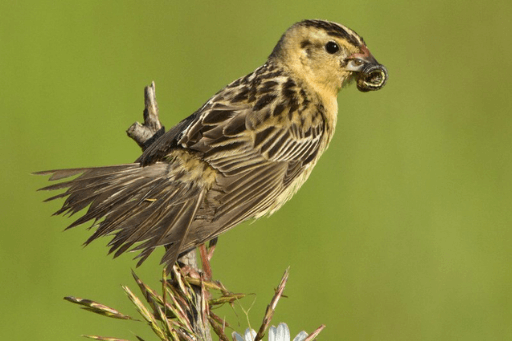
Credit: abcbirds.org
Impact On Birds
Weed and feed products are popular for lawn care. But their effect on birds is concerning. These products contain chemicals that may harm birds. Understanding the risks helps protect our feathered friends.
Chemical Toxicity
Many weed and feed products contain herbicides and pesticides. These chemicals are designed to kill weeds and pests. But they can also harm birds. Birds are sensitive to chemical toxins. A small amount can cause serious health issues.
The chemicals can affect birds' nervous systems. This leads to disorientation and weakness. Some chemicals cause reproductive problems. This affects bird populations over time. It's important to be mindful of these toxic effects.
Exposure Risks
Birds come into contact with treated lawns in various ways. They eat seeds and insects from the grass. They also drink water from puddles on the lawn. These actions increase their exposure to harmful chemicals.
Even breathing the air near treated areas poses risks. Birds inhale chemical particles from the air. This exposure can lead to respiratory issues. Minimizing exposure is crucial for bird safety.
Scientific Studies
Many people worry about the impact of weed and feed products on birds. Scientists have conducted studies to understand this concern. These studies aim to uncover how these chemicals affect bird populations.
Research Findings
Some studies show that certain weed and feed ingredients can harm birds. These chemicals may disrupt their nervous systems. Bird exposure to these products can lead to health issues. Long-term effects include reduced reproduction rates. Scientists found that birds in affected areas show signs of distress. These studies highlight potential risks to bird communities.
Expert Opinions
Experts believe careful use of these products is important. They suggest using eco-friendly alternatives when possible. Specialists recommend avoiding application during bird nesting seasons. Experts emphasize the importance of safe chemical disposal. They advise reading labels carefully before using weed and feed products. Professionals urge awareness of local wildlife when gardening.
Safe Usage Guidelines
Using weed and feed products requires careful consideration. These products can harm birds if not used correctly. Safe usage ensures your garden thrives without risking wildlife.
Application Techniques
Apply weed and feed in calm weather. Avoid windy days to prevent drift. Follow the instructions on the label closely. Use the recommended amount to avoid excess. Water your lawn lightly after application. This helps the product settle and minimizes exposure to birds. Keep pets away during application to ensure safety.
Bird-friendly Alternatives
Consider using organic weed control methods. Vinegar can be effective against weeds. Salt solutions help kill unwanted plants. Hand-pulling is labor-intensive but safe for birds. Corn gluten meal prevents weed seeds from growing. These options protect your garden without harming birds. Natural methods offer a balanced approach for your yard.
Environmental Considerations
Environmental considerations are crucial in understanding the impact of weed and feed products. These chemical solutions aim to enhance lawns but can affect wildlife. Birds are particularly vulnerable, raising questions about their safety in treated areas.
Effects On Ecosystems
Weed and feed products can alter ecosystems. Chemicals in these products may seep into soil and water. This contamination can disrupt natural habitats. Birds rely on these environments for food and shelter. Their food sources might become contaminated, affecting their health.
Insects and plants can also be impacted. These are essential components of the ecosystem. Birds depend on insects for nutrition. A decrease in insect population can reduce food availability. This chain reaction affects bird populations and overall biodiversity.
Long-term Impacts
The long-term impacts of weed and feed products are concerning. Persistent chemicals remain in the environment for years. Birds may ingest these substances indirectly. Over time, they accumulate harmful chemicals in their bodies.
Chronic exposure can lead to health issues. Reproductive problems and reduced lifespans are potential outcomes. These effects threaten bird populations and can lead to declines in species numbers.
Understanding these impacts is crucial. It encourages responsible use of lawn treatments. Protecting bird populations requires awareness of environmental consequences. Choosing bird-friendly alternatives can help preserve ecosystems.

Credit: www.lowes.com
Public Awareness
Concerns about weed and feed products harming birds are rising. Many people are unaware of the potential risks these products pose to wildlife. Raising public awareness is crucial. Communities need to understand how these chemicals affect birds and the ecosystem. Educating people can lead to informed choices. It can also help protect local bird populations.
Educational Campaigns
Educational campaigns are essential in spreading knowledge. Workshops and seminars can inform citizens about the dangers of weed and feed. Schools can incorporate lessons on environmental safety. These initiatives can teach children about protecting nature. Social media can play a role too. Share facts and tips on safe gardening practices. Reach a wider audience. Encourage individuals to consider eco-friendly alternatives.
Community Actions
Community actions can make a real difference. Organize cleanup events to remove harmful chemicals from local areas. Community gardens can adopt organic practices. Share information through local newsletters and flyers. Encourage neighbors to switch to safer products. Together, communities can protect bird populations. These efforts can lead to a healthier environment for everyone.
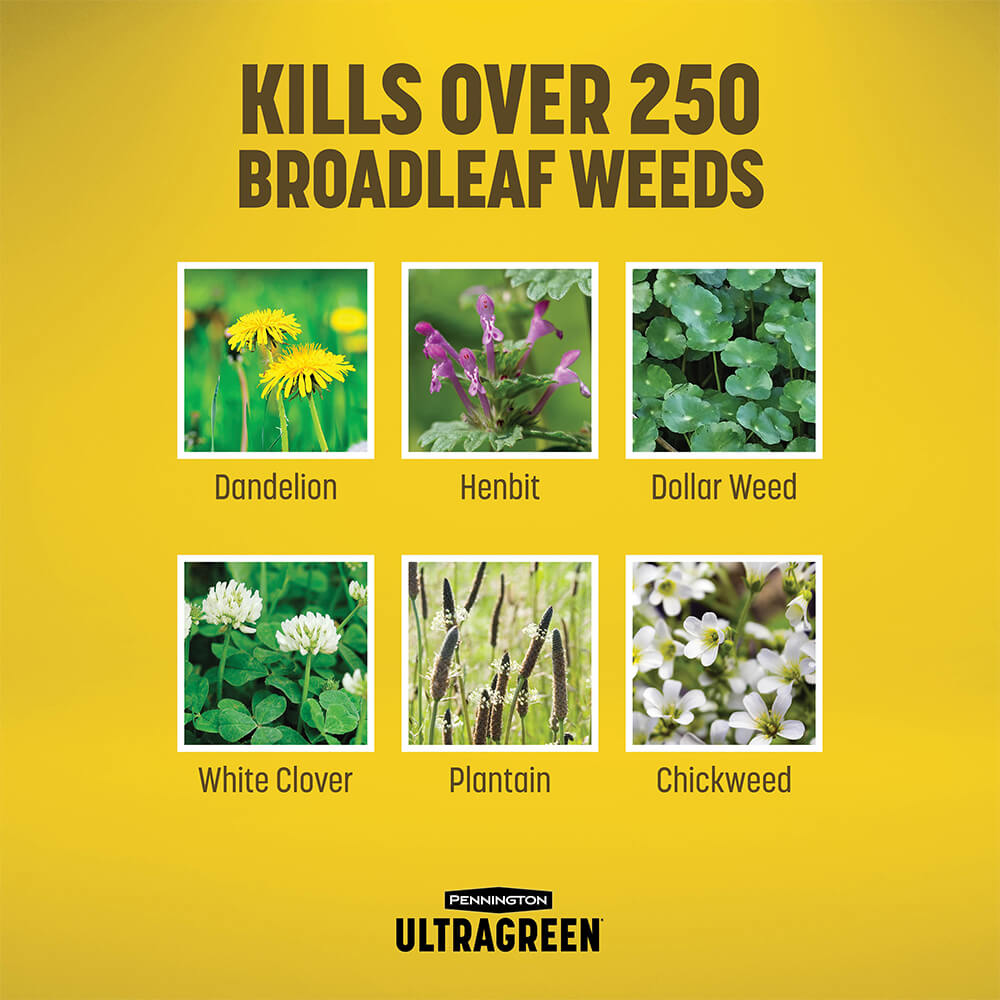
Credit: www.pennington.com
Frequently Asked Questions
Can Weed And Feed Harm Birds?
Weed and feed products may harm birds if ingested directly. Some chemicals in these products can be toxic to birds. It's essential to use them responsibly, following instructions. Consider using bird-safe alternatives or applying treatments when birds are less active to reduce risks.
Are Organic Weed And Feed Safer For Birds?
Organic weed and feed products are generally safer for birds. They contain natural ingredients that are less toxic. However, it's crucial to read labels and follow directions carefully. Even organic products can pose risks if misused, so always ensure proper application and storage.
How To Protect Birds When Using Weed And Feed?
Protecting birds involves using weed and feed sparingly and correctly. Apply products during times when birds are less active. Always store them securely and clean up any spills immediately. Consider creating bird-friendly areas with native plants that require fewer chemicals.
Do Birds Eat Weed And Feed Granules?
Birds may mistake granules for food, which can be harmful. It's important to apply weed and feed products when birds are not present. Use barriers or temporary covers to prevent birds from accessing treated areas until it's safe.
Conclusion
Exploring weed and feed products raises important questions about bird safety. These products can harm birds if used improperly. It's crucial to read labels carefully. Opt for bird-friendly alternatives where possible. Use natural methods to manage weeds and feed your lawn.
Protecting our feathered friends matters. Every choice impacts the environment. Small changes can make a big difference. Awareness helps in making informed decisions. Consider the well-being of birds and nature when gardening. Always prioritize eco-friendly practices. Your garden can thrive without compromising bird safety.
Let's create a safe haven for all creatures.