


Are you curious about feeding ducks and wondering if wild bird seed is a suitable option? You're not alone.
Many people enjoy the simple pleasure of feeding ducks at a local pond or park. However, choosing the right food for these charming creatures is more important than you might think. Did you know that feeding them the wrong food can actually harm their health?
This is where your choice matters. Dive into this article to uncover the truths, misconceptions, and best practices about feeding ducks. By the end, you'll be equipped with the knowledge to make informed decisions that benefit both you and the ducks you love to feed. Ready to become a duck-feeding expert? Let’s get started!

Credit: www.amazon.com
Feeding Ducks: Basics
Feeding ducks can be a delightful outdoor activity. It connects us with nature. But it's essential to understand what ducks need. Ducks have specific dietary needs. Feeding them the right food keeps them healthy. It also ensures they thrive in their natural habitat.
Many people wonder if wild bird seed is suitable for ducks. It's crucial to know what ducks eat naturally. This knowledge helps make informed feeding choices.
Natural Diet Of Ducks
Ducks enjoy a varied diet in the wild. They eat plants, insects, and small fish. Aquatic plants are a big part of their meals. Ducks also forage for seeds and grains. This natural diet provides essential nutrients. It supports their growth and energy needs.
Importance Of A Balanced Diet
A balanced diet is vital for ducks' health. It ensures they get all necessary nutrients. Ducks need proteins, vitamins, and minerals. These elements support their immune system. A good diet also aids in proper feather development. Feeding ducks the right food enhances their well-being.
Understanding their dietary needs prevents health issues. It keeps ducks active and happy. Feeding them the right way helps sustain their population. It ensures that future generations enjoy their presence.

Credit: www.amazon.com
Wild Bird Seed: Components
Wild bird seed contains grains and seeds suitable for various birds, but not ideal for ducks. Ducks require a diet with more protein and nutrients than typical wild bird seed provides. Feeding ducks with specialized waterfowl food ensures they receive balanced nutrition.
When you think about feeding ducks, the usual image is of tossing bread crumbs into a pond. But have you ever wondered about using wild bird seed instead? Understanding the components of wild bird seed can help you decide if it's a suitable choice for our feathered friends by the lake. Let's dive into what makes up wild bird seed and whether it's a good option for ducks.
Common Ingredients
Wild bird seed is a mix of various seeds that cater to different birds. Sunflower seeds are a staple, known for their high energy content. Millet is another common ingredient, favored by smaller birds for its easy digestibility. You might also find safflower seeds, which are generally avoided by squirrels but loved by cardinals. Other seeds like cracked corn and millet are often included to attract a wider range of birds. Each ingredient serves a purpose, whether it's providing energy or attracting specific birds. But how does this mix fare for ducks, who have different dietary needs?
Nutritional Value
Each component in wild bird seed offers distinct nutritional benefits. Sunflower seeds are rich in fat, providing energy for birds in colder months. Millet is high in carbohydrates, while cracked corn offers a good balance of carbohydrates and fiber. Ducks, however, require a more varied diet that includes more proteins and greens. This raises an important question: Is wild bird seed enough for ducks? Ducks need a mix of protein, fats, and greens to thrive. While wild bird seed can be an occasional treat, relying on it as a primary food source might not meet all their nutritional needs. Imagine feeding a duck at your local pond and noticing its excitement as it gobbles up the seeds. It’s a delightful experience, but it’s crucial to remember that diversity in their diet is key. Would you be satisfied eating the same snack every day? Probably not, and neither would they. In your next visit to the park, consider bringing a mix of seeds and greens. Your effort will go a long way in ensuring the ducks are happy and healthy.
Impact Of Wild Bird Seed On Ducks
Ducks can eat wild bird seed, but it's not the best food for them. Seeds lack essential nutrients ducks need for healthy growth. Instead, provide a balanced diet with grains and vegetables to support their well-being.
Feeding ducks can be a delightful experience, but it's important to consider what you offer them. You might wonder about the impact of wild bird seed on ducks. While it might seem convenient to use the same seed you feed to songbirds, it's crucial to understand how this can affect the health and well-being of ducks. Let's delve into the potential health benefits and risks of feeding wild bird seed to these charming waterfowl.
Health Benefits
Wild bird seed can offer certain nutritional benefits for ducks. Seeds like sunflower and millet provide essential fats and proteins that can be beneficial. These nutrients support healthy feathers and provide energy. During colder months, ducks need extra calories to stay warm. Wild bird seed can offer a quick energy boost. This is especially helpful for ducks in urban parks where natural food sources might be scarce. However, it's important to consider variety. Ducks benefit from a mixed diet. Adding seeds occasionally is fine, but it's not a complete substitute for their natural diet.
Potential Risks
Feeding ducks wild bird seed isn't without risks. Seeds designed for songbirds may lack vital nutrients ducks need. Over time, this could lead to malnutrition. Large quantities of seeds can cause digestive issues. Ducks aren't built to handle too many seeds, which can lead to blockages or discomfort. Also, feeding ducks wild bird seed might alter their natural foraging behavior. Ducks could become reliant on human-provided food, which might affect their survival instincts. Have you ever noticed ducks ignoring natural food sources in favor of handouts? This behavior can be triggered by frequent feeding of seeds. Think about the long-term impact before you decide to feed ducks wild bird seed. Ultimately, while feeding ducks can be fun, it's essential to prioritize their health. Consider offering them foods that match their natural diet, like cracked corn or duck pellets. What other safe alternatives can you think of to keep these feathered friends healthy?
Alternatives To Wild Bird Seed
Feeding ducks can be a delightful experience. Yet, choosing the right feed is crucial. Wild bird seed is not ideal for ducks. It lacks essential nutrients they need. There are better options available.
Nutritious Options
Consider grains and seeds high in nutrition. Ducks thrive on oats and corn. They love peas and rice too. These provide necessary energy and vitamins. Leafy greens like spinach are great. They offer vital minerals and fiber. You can also provide worms and insects. Ducks enjoy them and they boost protein intake.
Homemade Duck Feed
Creating your own duck feed is simple. Mix grains and seeds in a bowl. Add chopped vegetables for variety. Include peas, carrots, and lettuce. These are easy to digest and healthy. A sprinkle of mealworms adds protein. Ensure clean, fresh water is always available. Ducks need water for digestion.
Tips For Safe Duck Feeding
Feeding ducks wild bird seed is safe and nutritious. It's a great alternative to bread, offering essential nutrients. Choose seeds specifically formulated for waterfowl to ensure proper nutrition.
Feeding ducks can be a delightful experience, especially when you see them happily waddling towards you in anticipation. However, it's crucial to know how to feed them safely to ensure their health and well-being. This guide will provide you with essential tips on how to feed ducks responsibly, so you can enjoy your time with them without causing harm.
Dos And Don'ts
When feeding ducks, always prioritize their health. Do offer them nutritious foods like cracked corn, oats, rice, birdseed, and chopped vegetables. These options mimic their natural diet and provide essential nutrients. Don't feed them bread or junk food. Such items can harm their health and pollute their environment. Have you ever noticed a pond filled with soggy bread pieces? It's not only unappealing but also unhealthy for ducks and other wildlife.
Quantity And Frequency
It's easy to get carried away when you're surrounded by eager ducks. However, moderation is key. Offer only a small handful of food per duck. This prevents overfeeding and keeps their diet balanced. Consider the frequency of your visits as well. Feeding ducks once or twice a week is ample. Frequent feedings can lead to dependency and disrupt their natural foraging habits. What if your occasional visit becomes their daily meal plan? It's worth pondering. By following these tips, you ensure that your duck-feeding experience is both enjoyable and responsible. So next time you're at the park, take a moment to appreciate the ducks and remember these guidelines. Your thoughtful actions make a difference in their little world.
Environmental Considerations
Feeding wild bird seed to ducks can impact the environment. Understanding these impacts is crucial. Ducks are part of complex ecosystems. Their feeding habits influence local flora and fauna. Thoughtful feeding practices help maintain ecological balance.
Effects On Local Ecosystem
Wild bird seed affects ducks' diet and local biodiversity. Ducks might consume seeds not native to their habitat. This can lead to changes in vegetation patterns. Non-native plants might spread. Local plants might struggle to thrive. Ducks' feeding behavior affects soil health. Overfeeding can lead to soil erosion. This impacts water quality in nearby ponds and streams.
Responsible Feeding Practices
Responsible feeding minimizes ecological disruption. Choose seeds that match the ducks' natural diet. Avoid seeds that promote invasive species growth. Feed ducks in moderation. Overfeeding can disturb their natural foraging habits. Ensure feeding areas are clean. This prevents disease spread among ducks. Educate others about responsible feeding practices. Awareness helps protect local ecosystems.
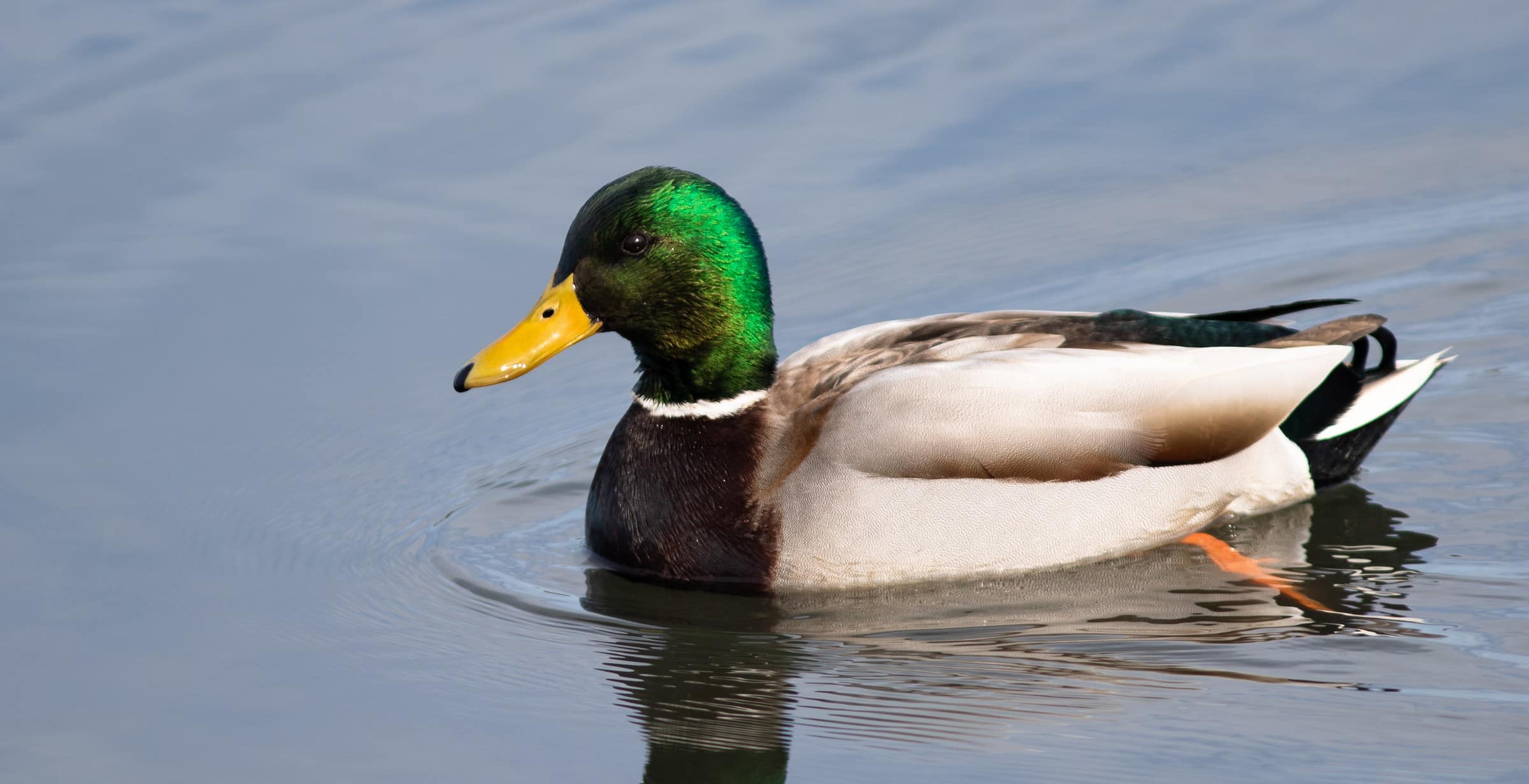
Credit: maineaudubon.org
Frequently Asked Questions
Is It Safe To Feed Ducks Wild Bird Seed?
Feeding ducks wild bird seed is generally safe. However, it's not the most nutritious option. Ducks require a balanced diet. Consider supplementing with vegetables or duck pellets for better nutrition.
What Types Of Seeds Are Best For Ducks?
Ducks can eat various seeds, including sunflower and millet. These seeds provide essential nutrients. However, they should only form a small part of their diet. A balanced diet is crucial for their health.
Can Wild Bird Seed Harm Duck Health?
Wild bird seed is not harmful in small amounts. But, it lacks essential nutrients ducks need. Over-reliance can lead to nutritional deficiencies. Always ensure ducks have a varied diet for optimal health.
How Often Should Ducks Eat Bird Seed?
Bird seed can be offered occasionally as a treat. Ducks require a balanced diet for proper nutrition. Limit seed feeding to prevent health issues. Regular meals should include vegetables and grains.
Conclusion
Feeding ducks wild bird seed requires caution. Not all seeds suit ducks. Some seeds lack essential nutrients. Ducks need a balanced diet. Bread and junk food harm ducks. Opt for grains like corn or oats. Fresh vegetables are a great choice.
Always provide clean water. Observing ducks' health is crucial. Consult experts when in doubt. Responsible feeding helps ducks thrive. Enjoy the experience responsibly. Ducks depend on us for proper care. Keep their well-being in mind. Happy duck feeding!