


You care about your lawn, and you care about the birds that bring life and color to your backyard. But when it comes to maintaining a lush, green garden, the question arises: does using weed and feed products harm our feathered friends?
If you’ve ever wondered about the impact of these popular lawn care solutions on birds, you’re not alone. We’ll delve into the truth behind weed and feed products and their potential effects on birds. By the end, you’ll have the knowledge to make informed decisions that protect both your garden and the wildlife you cherish.
Stay with us as we uncover the facts that every bird-loving gardener needs to know.
Impact Of Weed And Feed On Birds
Weed and feed products can harm birds by contaminating their food sources. Chemicals may reduce insect populations, affecting birds' diet. Safe alternatives can help protect bird habitats while maintaining your garden.
The use of weed and feed products is common among homeowners wanting a lush, green lawn. However, have you ever stopped to think about how these chemicals impact the birds that visit your garden? Birds are a cherished part of our ecosystem, providing beauty and balance. It’s crucial to understand whether our lawn care practices are putting them at risk. Let’s dive into how weed and feed products might affect our feathered friends.
Chemical Composition
Weed and feed products typically contain a mix of fertilizers and herbicides. The herbicides are designed to kill weeds while leaving the grass unharmed. However, these chemicals can be harmful to other wildlife, including birds. For example, many products contain 2,4-D, a common herbicide. While effective at killing broadleaf weeds, it can be toxic to birds if ingested. Additionally, fertilizers can lead to nutrient imbalances in the soil, indirectly affecting the insects birds feed on.
Birds' Sensitivity
Birds are more sensitive to chemicals than many realize. They often peck at grass and soil, potentially ingesting harmful substances. Smaller birds, in particular, have rapid metabolisms and can be quickly affected by toxins. Have you ever watched a bird meticulously picking through your lawn? Imagine if those tiny beaks are unknowingly ingesting harmful chemicals. This can lead to health issues or even be fatal. As you consider your lawn care routine, think about the birds that share your outdoor space. Are your actions creating a safe environment for them? A lush lawn is appealing, but it shouldn’t come at the cost of local wildlife. Would you consider using bird-friendly alternatives to protect these important creatures? Ultimately, understanding the impact of weed and feed products on birds encourages more mindful gardening practices. Your choices can make a difference in preserving the beauty and biodiversity of your outdoor spaces.
Credit: chicagobirdalliance.org
Common Ingredients In Weed And Feed
Weed and feed products are popular for lawn care. They combine herbicides and fertilizers. While effective for plants, they may impact birds. Understanding their common ingredients is crucial. Let's explore the components of weed and feed products.
Herbicides Used
Herbicides kill unwanted weeds in your lawn. Common types include 2,4-D, dicamba, and mecoprop. These chemicals target broadleaf weeds. They disrupt plant growth, causing weeds to die. Birds may ingest these chemicals through contaminated seeds. This could harm their health. Birds are sensitive to chemicals. Even small amounts can affect them.
Fertilizers Included
Fertilizers boost plant growth. They contain nitrogen, phosphorus, and potassium. These nutrients help grass grow stronger and greener. Fertilizers improve soil nutrient levels. Birds might ingest fertilizer granules. This can cause digestive issues. Fertilizer chemicals can also leach into water sources. This poses risks to birds and aquatic life.
Potential Risks To Bird Health
Weed and feed products are popular for lawn care. But they can pose risks to birds. These products contain chemicals to kill weeds and fertilize grass. Birds may ingest harmful substances while foraging. Understanding the potential risks helps protect bird health.
Toxicity Levels
Chemicals in weed and feed vary in toxicity. Some are more harmful than others. Birds eating treated seeds may be exposed to toxic levels. High toxicity can lead to serious health issues. Knowing the chemicals used is crucial for safety.
Short-term Effects
Birds may experience immediate effects. Symptoms include nausea or vomiting. Reduced energy levels can occur. These symptoms affect their ability to fly and forage. Birds may avoid areas treated with chemicals.
Long-term Consequences
Prolonged exposure can lead to chronic health problems. Birds may suffer from reproductive issues. Their offspring might have developmental problems. Long-term effects can decrease bird populations. Monitoring bird health near treated areas is important.

Credit: www.tractorsupply.com
Environmental Factors
Curiosity arises around whether weed and feed products impact birds. Some chemicals might be harmful to bird health. Always check product labels for safety guidelines to protect wildlife.
When considering the impact of weed and feed products on birds, understanding the environmental factors is crucial. These factors can significantly influence how these products affect bird populations and their habitats. It's essential to examine how different elements of the environment interact with the chemicals in weed and feed products. This awareness can guide you in making more eco-friendly decisions for your garden.
Application Methods
The way you apply weed and feed can play a significant role in its environmental impact. Broadcasting the product over a large area might seem efficient, but it increases the likelihood of chemicals affecting non-target areas, including bird habitats. Consider using spot treatments, which target only the areas that need it, minimizing the risk to birds. Handheld spreaders offer more control over application, allowing you to avoid areas where birds frequent. This method can reduce the amount of product needed, further decreasing potential harm. Have you ever thought about how a simple change in application could protect the wildlife around your home?
Weather Conditions
Weather plays a pivotal role in the effectiveness and environmental impact of weed and feed products. Applying these products just before a heavy rain can cause runoff, leading to chemicals entering water bodies where birds drink or feed. This scenario poses a threat to aquatic life and the birds that depend on it. Dry, calm days are ideal for application to ensure the product stays where it's needed. Monitoring weather forecasts can help you choose the best time to apply, minimizing negative impacts on the environment. Have you considered how a small adjustment in timing can make your gardening practices more bird-friendly? Incorporating these insights into your gardening routine can make a substantial difference in protecting bird populations. Your actions can lead to a healthier, more balanced ecosystem. Do you feel ready to take steps toward a more environmentally conscious approach?
Preventive Measures
Birds may be at risk from certain weed and feed products. Reading labels is crucial to choosing safe options. Consider natural alternatives to protect bird life while maintaining a healthy lawn.
Taking care of your garden while keeping the local bird population safe can seem like a balancing act. Many gardeners worry about whether using weed and feed products might harm birds. Fortunately, there are preventive measures you can take to protect these feathered visitors. By following safe usage guidelines and considering alternatives, you can maintain a healthy garden without endangering birds.
Safe Usage Guidelines
Using weed and feed products safely can significantly reduce risks to birds. Start by reading and following the product label instructions. They provide specific application rates and safety precautions. Apply the product during calm weather, minimizing drift that might reach areas where birds feed. Early morning or late evening applications can reduce bird exposure, as they’re less active during these times. Keep pets and children away from treated areas until the product has been absorbed or washed off. You might have seen this in action at a friend's garden, where they used temporary fencing to create a safe zone.
Alternatives To Weed And Feed
If you're concerned about chemicals, there are natural alternatives to explore. Hand-pulling weeds may seem labor-intensive, but it's effective and safe for birds. Consider setting a weekly schedule to manage weed growth gradually. Mulching can help suppress weeds while enriching the soil. Organic mulch can also attract insects that birds feed on, supporting your garden's ecosystem. Vinegar solutions can work wonders on weeds. Spray directly on unwanted plants, but avoid contact with grass and flowers. This method works best on sunny days, proving that sometimes nature has its own solutions. By adopting these preventive measures, you can enjoy a lush, bird-friendly garden. How do you ensure your gardening practices are safe for wildlife? Your approach might inspire others to make bird-friendly choices.
Bird-friendly Lawn Care Practices
Weed and feed products can harm birds by contaminating their food sources. Chemicals in these products may disrupt bird habitats. Choosing organic alternatives helps protect birds while maintaining a healthy lawn.
Maintaining a beautiful lawn while ensuring the safety of birds is a delicate balance. You may wonder if your efforts to control weeds and feed the grass are harming the feathered friends that visit your yard. Fortunately, adopting bird-friendly lawn care practices can help protect these creatures. By choosing natural and organic methods, you can create a thriving habitat for birds while keeping your lawn lush and healthy.
Natural Weed Control
Consider using manual methods to control weeds. Pulling weeds by hand or using a hoe can be effective and safe for birds. It might take a bit more effort, but it's worth it to watch a robin peck at the ground without worry. Another option is using vinegar as a weed killer. A simple spray can target unwanted plants without harming birds. It's an easy and accessible method that doesn't involve harsh chemicals. Covering areas with mulch can also prevent weeds from sprouting. Mulch is not only excellent for weed control but also beneficial for the soil. Plus, birds love scratching through mulch for insects, making it a win-win.
Organic Fertilizing
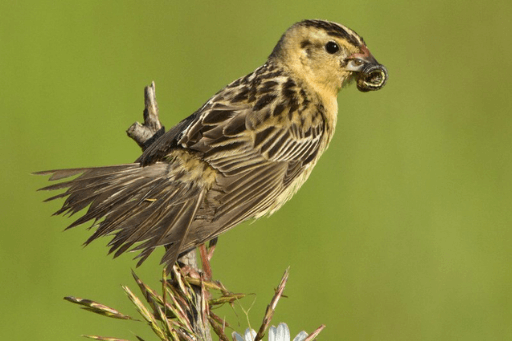
Switch to organic fertilizers to nourish your lawn. Composting kitchen scraps can provide a rich, natural fertilizer. This method is safe for birds and enhances the soil's health. Consider using fish emulsion or seaweed extract as organic fertilizer. These options are bird-friendly and promote lush growth. Imagine seeing your lawn thrive while sparrows flit about, undisturbed. Planting clover can naturally enrich the soil with nitrogen. Clover is not only beneficial for your grass but also attracts pollinators. You get a healthy lawn and a lively ecosystem that birds enjoy. Have you ever noticed how vibrant your garden becomes with organic practices? Watching birds enjoy your lawn can be a rewarding experience. Are your lawn care habits inviting or deterring these delightful visitors?
Credit: abcbirds.org
Frequently Asked Questions
Can Weed And Feed Harm Birds?
Weed and feed products can potentially harm birds. These products contain chemicals that might be toxic. Birds could ingest these chemicals directly or indirectly. It's crucial to use bird-safe alternatives in areas frequented by birds to minimize risks.
How Do Birds Get Exposed To Weed And Feed?
Birds can be exposed through ingestion or contact. They might consume treated seeds or insects. Direct contact with treated soil or plants can also be harmful. Ensuring safe application and using alternatives can reduce exposure risks.
Are There Bird-safe Weed And Feed Options?
Yes, bird-safe options are available. Organic or natural products often pose less risk to birds. Always check product labels for safety information. Consider mechanical or manual weed removal to protect bird health.
What Are The Symptoms Of Weed And Feed Poisoning In Birds?
Symptoms can include lethargy, disorientation, and difficulty breathing. Birds may also exhibit unusual behavior or physical distress. Immediate veterinary attention is crucial if poisoning is suspected to prevent further harm.
Conclusion
Weed and feed products may pose risks to birds. Choosing natural alternatives can help protect them. Read labels carefully to ensure safety. Consider organic options for your lawn. Healthy lawns benefit everyone, including wildlife. Always follow instructions when using lawn care products.
Keep birds in mind while maintaining your garden. A bird-friendly yard supports biodiversity. Remember, small changes make a big difference. By making informed choices, you contribute to a healthier environment. Your efforts can create a safe space for birds. Protecting nature starts in your own backyard.