


Have you ever wondered how birds seem to magically appear at your backyard bird feeder, as if they have an invisible radar? It's a mystery that intrigues many bird lovers and nature enthusiasts like yourself.
You set up a feeder, fill it with seeds, and before you know it, your garden is alive with chirping and fluttering. But how do these feathered friends know there's a feast waiting for them? We'll unravel the secrets behind this fascinating phenomenon.
You'll discover the incredible instincts and natural cues that guide birds to your feeder, making your backyard a bustling haven for avian visitors. Stay with us, and you'll never look at your bird feeder the same way again!
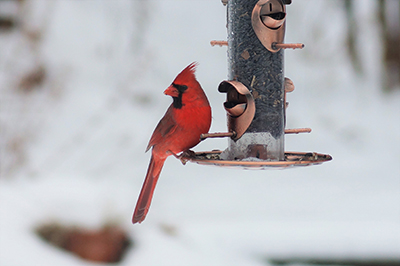
Credit: portal.ct.gov
Birds' Sensory Abilities
Birds find feeders with keen senses. Their sharp vision spots colors and movement from afar. Sensitive hearing detects chirps and fluttering wings, guiding them to food sources.
Birds are fascinating creatures, and their ability to locate food sources like bird feeders is a testament to their remarkable sensory abilities. Understanding how birds use their senses to find these feeders can enrich your bird-watching experiences and help you design a more attractive feeding station. Curious about how birds seem to find a new feeder almost instantly? Let’s dive into the sensory world of birds and discover the secrets behind their impressive abilities.
Vision And Recognition
Birds have excellent vision, often superior to humans. They can detect a wide range of colors, including ultraviolet, which helps them identify food sources quickly. Next time you set up a feeder, consider using bright colors that can catch a bird's eye from a distance. Many birds can recognize shapes and patterns, allowing them to distinguish your feeder from other objects. You might notice that once a bird visits your feeder, it often returns, indicating that it remembers the location visually.
Hearing And Sound Detection
Birds rely heavily on their acute sense of hearing. They can detect the sounds of other birds feeding, which acts as a natural invitation to join in. This is why a busy feeder often attracts more birds. If you've ever noticed a sudden influx of birds at your feeder, it might be because they heard the soft flutter of wings or the gentle pecking sounds from other birds. Your feeder becomes a social hub, and the noise is like a dinner bell in the bird world.
Smell And Olfactory Cues
While not as developed as in other animals, some birds do use their sense of smell to locate food. For example, certain species of seabirds can detect fishy odors from miles away. Land birds, like pigeons, also use olfactory cues to navigate their environment. Though smell plays a minor role compared to vision and hearing, it’s worth noting that olfactory cues can still guide birds to your feeder. By understanding these sensory abilities, you can create a more inviting space for birds. Have you ever tried changing the color of your feeder or adding natural sounds to see how it affects bird activity? Such small changes can make a big difference in attracting our feathered friends.

Credit: www.gardengatemagazine.com
Behavioral Patterns
Birds have remarkable behavioral patterns. These patterns help them locate food sources. Understanding these behaviors reveals how they find bird feeders.
Curiosity And Exploration
Birds are naturally curious creatures. They explore their surroundings daily. This curiosity leads them to discover new food sources. They fly around, checking various locations. During these explorations, they often stumble upon bird feeders.
Their keen vision aids in their exploration. They notice colors and movements from afar. A bright feeder or moving seeds catch their eye. This draws them closer for a detailed inspection.
Social Learning And Observation
Birds learn by watching each other. This social learning plays a crucial role. When one bird finds a feeder, others observe and follow. This behavior spreads quickly through flocks.
Vocalizations also help in this process. Birds often call out when they find food. These calls attract nearby birds, leading them to feeders. Social learning ensures quick dissemination of information.
These behavioral patterns highlight birds' intelligence. Their curiosity and social skills are key to survival. Understanding these behaviors enhances our bird-watching experience.
Environmental Cues
Birds are remarkable creatures with an innate ability to find food sources in the most unexpected places. You might wonder how they know there's a bird feeder in your backyard. The answer lies in the environmental cues that guide them. By understanding these cues, you can position your feeder to attract more feathered visitors. Let's dive into how color, movement, location, and food source identification play a role in this fascinating process.
Color And Movement
Birds are naturally drawn to bright colors. A feeder that stands out in vibrant hues can catch their eye from afar. If you've noticed more birds visiting a red feeder over a dull one, you're witnessing this attraction firsthand.
Movement is another cue that sparks their curiosity. A swaying feeder in the wind signals a potential food source. Consider adding elements that create slight motion, like hanging your feeder from a flexible branch. These simple adjustments can make a significant difference in attracting birds.
Location And Positioning
Where you place your feeder matters. Birds often navigate by familiar landmarks. Positioning your feeder near trees or shrubs can make it more visible to them.
Think about the height and accessibility. A feeder placed too high might be missed, while one that's too low could be vulnerable to predators. Striking a balance helps ensure your feeder is both safe and easily noticed by birds.
Food Source Identification
Birds have a keen sense of smell and sight when it comes to food. They can distinguish between different types of seeds and suet by sight or scent. Offering a variety of foods can make your feeder more appealing to different species.
Ever noticed how quickly birds flock to a newly filled feeder? They remember the location of reliable food sources. Regularly replenishing your feeder ensures it remains a hotspot for hungry birds seeking nourishment.
How do these environmental cues impact your bird feeder setup? As you tweak these elements, observe the change in your backyard’s avian visitors. It's a delightful experiment that brings nature closer to home.
Role Of Experience
Birds have an uncanny ability to find bird feeders, and much of this skill is rooted in their role of experience. Their adventures in the skies and trees teach them how to locate food sources efficiently. As they learn from past encounters, they refine their habits, making them adept at spotting the tiny buffet you've set up in your backyard.
Previous Encounters
Think about the first time you tried a new restaurant. If you liked it, you'd remember it and likely return. Birds operate similarly. A bird that once found a feeder filled with tasty seeds will remember it. They'll be more inclined to visit again, especially if the experience was rewarding. Just like us, birds learn from their past and apply this knowledge to future situations.
Memory And Habit Formation
Birds possess remarkable memories that help them form habits. Have you ever noticed birds visiting your feeder at the same time each day? Their memory allows them to create routines. These routines are based on successful experiences, ensuring they return to reliable food sources. By consistently providing food, you're helping birds establish beneficial habits.
Consider this: if you've ever moved your feeder, did it take time for birds to find it again? This delay shows how birds rely on memory and habitual routes. They remember locations and build a mental map of where food is available. Your consistent feeding can strengthen these memory patterns, drawing more birds to your yard.
How do birds know there’s a feeder waiting for them? It's their experience that guides them. Are you ready to make your yard a memorable stop on their daily journey?
Impact Of Human Interaction
Birds locate feeders through keen eyesight and memory. They watch other birds visiting feeders and learn from them. Human placement of feeders helps attract birds by choosing visible and safe locations.
Birds are incredibly attuned to their surroundings, and human interaction plays a significant role in how they find bird feeders. Our actions, whether intentional or not, impact their behavior and feeding habits. By understanding these interactions, you can create a more welcoming environment for your feathered visitors.
Feeder Designs And Innovations
Bird feeder designs have come a long way. Modern feeders are crafted not just for aesthetics but for functionality. Transparent tubes allow birds to see the seeds, perches are designed to accommodate different species, and squirrel-proof mechanisms keep the feed safe. These innovations make it easier for birds to spot and access food. You might notice more birds at your feeder when using a design that caters to their needs. Have you ever switched to a new feeder and noticed an uptick in visitors? That’s the power of thoughtful design at work.
Influence Of Placement And Accessibility
Where you place your bird feeder can significantly affect its success. Position it in a quiet area with minimal human disturbance to make birds feel safe. Near trees or bushes, feeders offer a sense of security and an easy escape route. Accessibility is key. Ensure the feeder is at an appropriate height and distance from obstacles. If birds struggle to reach it, they may not return. Consider this: Would you revisit a restaurant if the food was hard to reach or if you felt unsafe? Birds are no different. They seek convenience and security, just like us. These factors highlight the profound impact human interaction has on how birds find feeders. By considering design and placement, you're not just feeding birds; you're inviting them into a space where they feel welcome. What small changes can you make to create a more inviting environment for your avian friends?
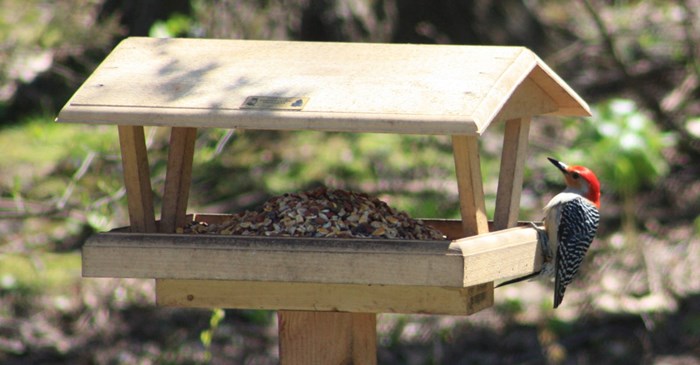
Credit: www.lyricbirdfood.com
Scientific Studies
Birds can locate feeders by observing other birds or sensing movement. Their keen eyesight helps them spot food sources. Curiosity also plays a role, leading them to explore areas with potential food.
Birds have an uncanny ability to find food sources, and bird feeders are no exception. Scientists have been intrigued by this phenomenon and have conducted various studies to understand how birds identify these feeding spots. These studies provide fascinating insights into avian behavior and their interaction with the environment. Let's delve into some of the key findings and ongoing investigations in the realm of bird feeder detection.
Research Findings
Scientific studies reveal that birds rely on a combination of visual cues and social learning to locate feeders. The bright colors of feeders often attract birds, acting as a visual beacon in their search for food. Additionally, birds observe the behavior of their peers. If a group is congregating around a feeder, others are likely to investigate. Interestingly, some studies suggest that birds can remember feeder locations and return regularly, demonstrating cognitive abilities beyond mere instinct. Imagine watching a chickadee flutter around your yard, then return to your feeder day after day. It’s not just luck; it’s learned behavior.
Ongoing Investigations
Research is continuously evolving, with scientists exploring how urban environments impact birds' ability to locate feeders. Current investigations are examining the role of sound in bird feeder detection. Could birds be using auditory signals more than we realize? Researchers are also studying the impact of feeder design on bird attraction. Are some designs more effective at drawing birds? These ongoing studies challenge our understanding and encourage us to think about how we can make feeders more accessible to our feathered friends. Have you ever wondered if changing the color or placement of your feeder could attract more birds? By staying informed about these scientific studies, you can enhance your birdwatching experience and support these fascinating creatures in your own backyard.
Frequently Asked Questions
How Do Birds Find Bird Feeders?
Birds use their keen sense of sight and hearing to locate feeders. They watch other birds for cues. The bright colors and movement of feeders attract them. Birds also remember locations of feeders once they've found them. The smell of seeds can occasionally help too.
Do Birds Communicate About Food Sources?
Yes, birds often communicate about food sources. They use vocal calls to alert others. Social species, like sparrows and finches, are especially communicative. This behavior helps them locate feeders. Observing other birds at a feeder encourages newcomers to investigate.
Why Do Some Birds Ignore Bird Feeders?
Some birds may ignore feeders due to unfamiliarity. They might prefer natural food sources. If feeders aren't visible or accessible, birds might not notice them. Changes in food type or feeder design can also deter birds. Ensuring a consistent, visible setup helps attract them.
What Colors Attract Birds To Feeders?
Bright colors, especially red and yellow, attract birds to feeders. These colors mimic natural flowers and fruits. They stand out in a bird's vision, drawing them closer. Many feeder manufacturers use these colors to enhance attraction. Choosing colorful feeders can increase bird visits.
Conclusion
Birds possess incredible instincts. They easily find bird feeders. Bright colors attract them. Their sharp vision helps spot food sources. Sounds of feeding birds draw others. Curiosity leads them to explore new areas. Position your feeder in visible spots. This encourages visits from various species.
Maintain a clean feeder to ensure regular visits. These simple actions can create a thriving bird haven. Enjoy watching these fascinating creatures up close. Their presence brings nature's beauty to your backyard. A small feeder can transform your outdoor space.
Invite more birds to your home today. Happy birdwatching!