


Are you an avid bird watcher or simply someone who loves the tranquility of birds visiting your garden? If so, you might be wondering how to best set up your bird feeders for the maximum enjoyment of both you and your feathered visitors.
One common question is whether you can hang a hummingbird feeder near other bird feeders. This decision can impact not only the diversity of birds visiting your yard but also the peace among them. You'll discover the pros and cons of placing hummingbird feeders close to other types of feeders.
You'll also learn how strategic placement can attract a vibrant array of birds without causing unwanted conflicts. Imagine your garden teeming with life, where every glance reveals a new splash of color or a delightful flutter. By the end of this read, you'll have the knowledge to create a harmonious haven for all your avian guests. Let's dive into the details that will transform your garden into a birdwatcher's paradise!
Benefits Of Multiple Feeders
Hanging multiple bird feeders can transform your garden into a vibrant oasis. Many people wonder if it's wise to place a hummingbird feeder near other bird feeders. The answer is yes. Multiple feeders offer numerous benefits. They attract diverse bird species and create a more lively atmosphere.
Attracting More Birds
Having several feeders increases the variety of birds in your yard. Each species has its own food preference. Hummingbirds love nectar. Other birds prefer seeds or suet. By offering different foods, you cater to all tastes. This leads to a bustling birdwatching experience.
Creating A Bird-friendly Environment
A garden with various feeders becomes a haven for birds. It supports their daily needs. Food, shelter, and safety are crucial. When birds find these in your garden, they visit often. This environment helps them thrive. It also enhances your outdoor space. Watching birds brings joy and relaxation.
:max_bytes(150000):strip_icc()/hummingbird-feeder-placement-385956-tree-c2313c55977a4d7ab1f8f8bf20ffa186.jpg)
Credit: www.thespruce.com
Potential Challenges
Hanging a hummingbird feeder near other bird feeders can be tricky. Various challenges might arise that need consideration. These challenges include territorial behavior and competition for resources. Understanding these issues can help create a peaceful feeding environment.
Territorial Behavior
Hummingbirds are fiercely territorial. They defend their feeding zones with vigor. This behavior can cause conflicts with other birds. Larger birds may also intimidate hummingbirds. This can lead to stress and feeding disruptions. It is crucial to monitor interactions closely.
Competition For Resources
Bird feeders attract many species. Each bird competes for food and space. Hummingbirds need nectar, while others prefer seeds. High competition can limit access to food. This can impact hummingbird health and activity. Ensure enough resources for all visiting birds.
Choosing The Right Location
Placing a hummingbird feeder near other bird feeders can be tricky. These tiny birds prefer peace and quiet. Keep feeders apart to avoid crowding and ensure hummingbirds visit your garden.
Choosing the right location for your hummingbird feeder is crucial for attracting these fascinating creatures while ensuring harmony with other bird feeders. It's not just about hanging the feeder anywhere; it's about creating an inviting space that caters to the needs of hummingbirds and your backyard birdwatching experience. Imagine sipping your morning coffee while watching a flurry of wings, each bird in its designated area, peacefully feeding. But how do you achieve this? Let's delve into some practical tips.
Distance Between Feeders
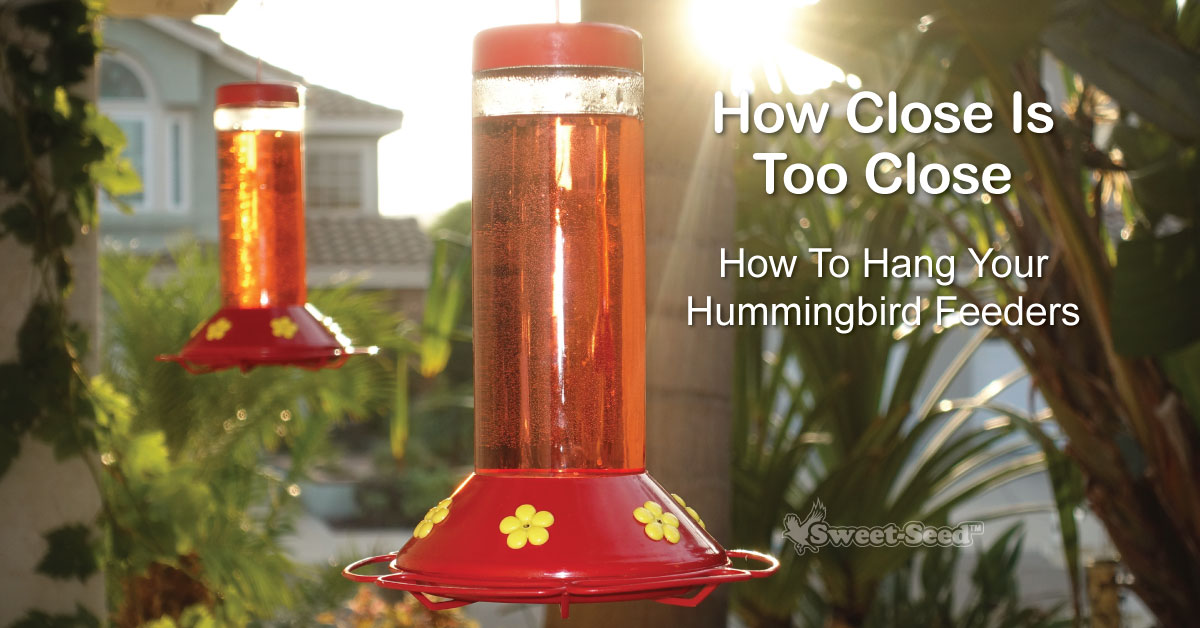
When hanging a hummingbird feeder near other bird feeders, consider the distance between them. Too close, and you might create a chaotic bird traffic jam; too far, and you might miss out on the joy of watching different species interact. Try to maintain a distance of at least 10 feet between feeders. This gives hummingbirds their own space and reduces aggressive interactions with larger birds. Have you ever seen a hummingbird fiercely defending its territory? It's a sight to behold, but it can deter other birds from visiting.
Preferred Habitat For Hummingbirds
Hummingbirds have specific habitat preferences that you should consider when choosing a location for their feeder. They love areas with abundant flowers, offering both nectar and a sense of security. Look for spots near flowering plants or shrubs, which can provide a natural food source and shelter. Do you have a garden corner that bursts with blooms? This might be the perfect place for your feeder. Consider placing the feeder under a tree or near a bush to mimic their natural environment. This not only attracts hummingbirds but also offers shade and protection from harsh weather.
Credit: sweet-seed.com
Types Of Feeders To Consider
Consider placing hummingbird feeders near other bird feeders to attract diverse species. Ensure feeders are spaced adequately to prevent crowding. Various feeder types cater to different bird species, enhancing your garden's biodiversity.
When setting up a bird-friendly yard, selecting the right feeders is crucial. You may wonder if you can hang a hummingbird feeder near other bird feeders without causing chaos. The answer lies in understanding the types of feeders available and their unique requirements. Let's explore what options you have for attracting both hummingbirds and other feathered friends.
Hummingbird Feeders
Hummingbird feeders are designed to hold nectar, typically a sugar-water solution. They come in vibrant colors, often red, to attract these tiny birds. Consider feeders with built-in perches. They offer hummingbirds a place to rest while feeding. Look for feeders with bee guards. This feature helps prevent unwanted insects from accessing the nectar. You might find that some feeders have ant moats. These are effective at keeping ants out, ensuring a clean feeding area for your hummingbirds.
Other Bird Feeders
Other bird feeders vary widely based on the type of food they hold. Seed feeders are popular and can attract a range of species like sparrows and cardinals. Suet feeders are ideal for birds that require high-energy food, such as woodpeckers. They're generally made of wire mesh and hold suet cakes. Platform feeders can accommodate different types of food, including fruits and nuts. They cater to larger birds that prefer to eat while standing. When choosing feeders, consider their placement. Ask yourself: Is there enough space between them to avoid territorial disputes? Mix and match feeder types to create a dynamic bird-watching environment. Wouldn't it be fascinating to see hummingbirds and sparrows coexist peacefully in your garden? Remember, the diversity in feeders not only attracts more bird species but also enriches your backyard experience.
Maintaining Cleanliness
Placing a hummingbird feeder near other bird feeders is possible with care. Keep the area clean to prevent diseases. Regularly wash feeders to avoid mold and bacteria.
Maintaining cleanliness around your bird feeders is crucial, especially when you're thinking about hanging a hummingbird feeder near other types. Cleanliness not only ensures the health of your feathered visitors but also enhances your bird-watching experience. A clean feeding station can be the difference between a flourishing bird haven and a neglected corner.
Preventing Disease Spread
Keeping your bird feeders clean helps prevent the spread of diseases among birds. Birds, like humans, can easily catch illnesses from contaminated surfaces. Imagine a hummingbird catching a cold from a dirty feeder. It's not a pretty picture. By ensuring your feeders are spotless, you contribute to a healthier ecosystem in your backyard. Birds are frequent visitors, and their droppings or leftover food can become breeding grounds for bacteria. You wouldn’t want your garden to be a hotspot for avian flu. Regular cleaning is your frontline defense against such outbreaks.
Regular Cleaning Schedule
Establishing a cleaning routine is as simple as setting a reminder on your phone. Aim to clean your hummingbird feeder at least once a week. If you notice a surge in visitors or during warmer months, consider doing it more frequently. A simple mix of hot water and white vinegar can do wonders in disinfecting your feeders. Avoid harsh chemicals that might leave residues harmful to the birds. Rinse thoroughly to ensure no cleaning solution remains. Did you know that a dirty feeder can deter birds from coming back? Birds have a keen sense of smell and taste. A well-maintained feeder will keep them returning, giving you endless opportunities to enjoy their presence. Have you ever noticed fewer birds visiting your feeders and wondered why? It could be a cleanliness issue. How do you ensure your feeders remain clean and inviting? Share your thoughts and tips in the comments below!

Credit: www.birdwatchingdaily.com
Tips For Successful Feeding
Placing a hummingbird feeder near other bird feeders is possible. Ensure enough space to avoid competition. Maintain cleanliness to attract hummingbirds and other birds harmoniously.
Feeding hummingbirds and other birds together can be a rewarding experience. It brings nature closer, offering a glimpse into the vibrant world of bird life. Successful feeding requires thoughtful planning and understanding of bird behavior. Creating a harmonious environment for different bird species is essential. Here are some tips to ensure your bird feeding setup thrives.
Encouraging Peaceful Coexistence
Position feeders at different heights. Hummingbirds prefer elevated spots. Keep some distance between feeders. This reduces competition and stress among birds. Use feeders with distinct colors and designs. Birds are attracted to specific colors. Red for hummingbirds, for instance. Ensure there's enough food for all. Scarcity can cause territorial disputes.
Monitoring Bird Activity
Observe bird interactions regularly. Watch for signs of aggression or distress. Adjust feeder positions if needed. Some birds may need more space. Note feeding times of different species. Hummingbirds often feed early. Larger birds might come later. Keep feeders clean and well-stocked. Cleanliness prevents disease spread. Regular refills ensure consistent feeding.
Frequently Asked Questions
Can Hummingbird Feeders Be Near Other Bird Feeders?
Yes, you can hang hummingbird feeders near other bird feeders. Ensure there's enough space to prevent crowding. Different feeders attract different bird species, minimizing competition. Provide separate feeding areas to keep hummingbirds comfortable and safe. This setup encourages diverse bird activity in your garden.
Will Other Birds Scare Hummingbirds Away?
Some birds might scare hummingbirds away, especially larger species. However, hummingbirds are generally resilient and will return. To prevent disturbances, place hummingbird feeders slightly apart. This separation creates a peaceful environment for hummingbirds, encouraging them to feed without fear.
How To Prevent Feeder Overcrowding?
To prevent overcrowding, space feeders several feet apart. This reduces competition among birds. Ensure each feeder has its own designated area. Multiple feeders help cater to different bird species, providing a harmonious feeding experience. Proper spacing also reduces the risk of aggressive behavior.
Do Hummingbirds Mind Sharing Feeding Spaces?
Hummingbirds generally prefer their own space but can adapt to sharing. They may become territorial if feeders are too close. By providing ample space and separate feeders, you can encourage harmonious feeding. This setup helps hummingbirds coexist with other birds more peacefully.
Conclusion
Hanging a hummingbird feeder near other bird feeders is possible. Birds often share space without issues. This setup can enrich your garden's bird diversity. Hummingbirds are agile and fearless, often darting around other birds. Keep feeders clean and filled for healthy birds.
Choose a quiet spot with some distance between feeders. This helps reduce any possible conflicts. Enjoy watching various birds interact in your yard. A vibrant and lively scene for bird enthusiasts. Experiment with placement to find the best harmony. Happy bird watching!