


As the temperature drops and snow blankets the ground, you might find yourself wondering about the little feathered friends outside your window. Have you ever considered how they manage to survive the harsh winter months?
Feeding birds during this time can be more than just a kind gesture; it's an opportunity to witness nature's beauty up close, right in your backyard. But is it really necessary? And if so, how should you go about it?
This article will unravel the mysteries and benefits of feeding birds in winter, equipping you with the insights to make a difference in their world—and perhaps yours, too. Discover how a simple act of kindness can transform your winter landscape into a lively tableau of chirping, fluttering visitors. Stay with us to learn how you can play a vital role in the survival of these charming creatures, while also enriching your own connection with nature.
Benefits Of Feeding Birds In Winter
Feeding birds in winter offers numerous benefits for both wildlife and humans. Harsh winter conditions make food scarce for birds. By providing food, you help them survive and thrive. This simple act can also enrich your life. It creates opportunities to connect with nature.
Support For Local Wildlife
Winter is tough for birds. Natural food sources dwindle. They need extra help to find enough food. Feeding birds supports their survival. It gives them the energy they need. This support is crucial for maintaining healthy bird populations. It helps local ecosystems stay balanced.
Bird Watching Opportunities
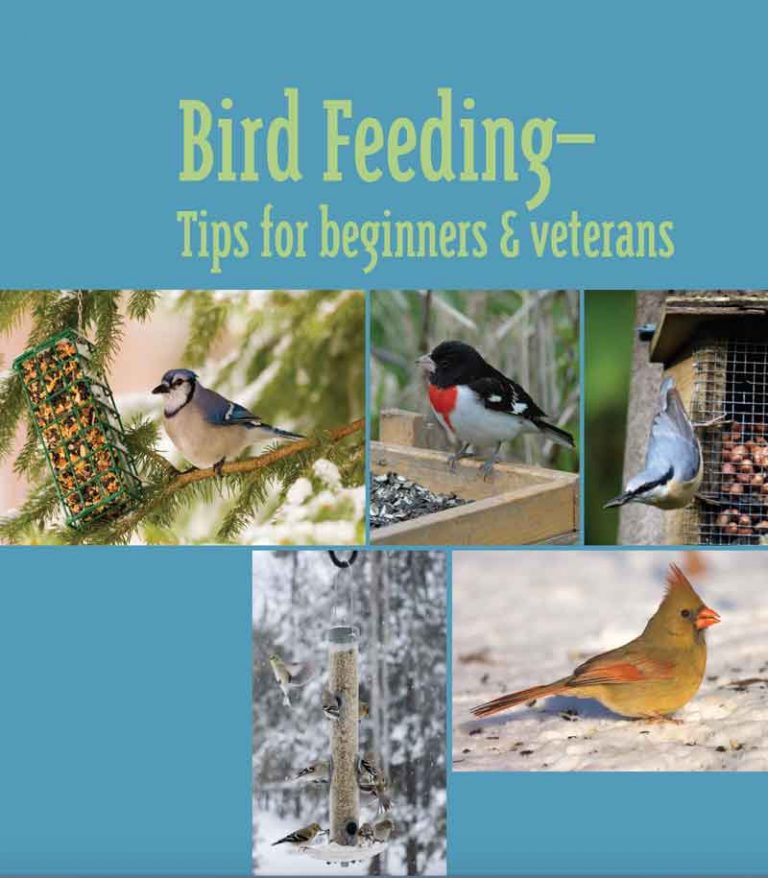
Feeding birds brings them closer to your home. You can watch them from your window. This offers a unique opportunity to observe bird behavior. You may see species you haven't noticed before. Bird watching can become a fun hobby. It also provides a peaceful escape from daily stress. Enjoy the beauty and diversity of nature.
Credit: naturalresources.extension.wisc.edu
Choosing The Right Bird Feed
Feeding birds in winter can be a rewarding experience. It helps birds survive the cold months. But choosing the right bird feed is crucial. Different birds have different dietary needs. Selecting the correct seeds can attract various species. It also ensures they get the nutrients they need.
Seed Types For Winter
Not all seeds are suitable for winter feeding. Black oil sunflower seeds are a favorite. They have a high fat content, perfect for energy. Safflower seeds resist squirrels, attracting cardinals and chickadees. Nyjer seeds lure finches with their tiny size. Peanuts offer protein, but avoid salted ones. Mixed seed blends can cater to multiple species.
Nutritional Needs Of Birds
Birds require more energy in winter. Fat-rich seeds help them stay warm. Protein aids in muscle maintenance and growth. Essential vitamins are necessary for overall health. Calcium supports strong bones and eggshell production. Providing a variety of seeds meets these nutritional needs. It helps birds thrive during harsh conditions.
Creating A Bird-friendly Environment
Feeding birds in winter helps them survive chilly months. Offer seeds, suet, and nuts to attract diverse species. Ensure clean feeders and fresh water for a thriving bird-friendly habitat.
Creating a Bird-Friendly Environment When winter rolls around, birds need a little extra help to thrive. Creating a bird-friendly environment is not just about scattering seeds. It's about crafting a haven that meets their needs for food, shelter, and safety.
Safe Feeding Stations
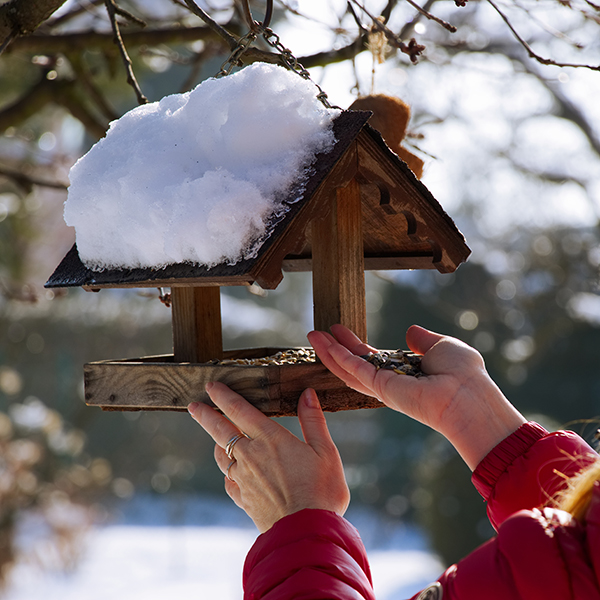
Imagine stepping out into the cold to find your favorite café closed. That's how birds feel when feeders are empty or inaccessible. Ensure your bird feeders are stocked and easy to reach. Place feeders at varying heights to cater to different bird species. Some birds prefer dining low to the ground, while others like it up high. Keep the feeders clean to prevent diseases; no one likes eating off a dirty plate.
Protection From Predators
Birds need to feel safe while they eat. Position your feeding stations near bushes or trees. These provide cover and quick escape routes if danger lurks. Have you ever watched a bird suddenly dart away? It's often a response to predators like cats or hawks. By strategically placing feeders near natural cover, you give birds a fighting chance. Do you have any pets that roam freely in the yard? Consider keeping them indoors or away from feeding areas to minimize stress for the visiting birds. Your vigilance can make a big difference in their survival. As you create this environment, remember it's not just about feeding. It's about offering a sanctuary in the harsh winter months. Are you ready to transform your garden into a winter haven for our feathered friends?
Best Practices For Winter Bird Feeding
Feeding birds in winter can be a delightful and rewarding activity, but it’s essential to do it right. The cold months can be tough for our feathered friends, and providing them with food can help them survive. Let’s dive into some best practices for winter bird feeding that will keep the birds healthy and your backyard bustling with activity.
Regular Cleaning Of Feeders
Birds are messy eaters, and the buildup of old food and droppings can lead to health issues. Keeping feeders clean is crucial. Use warm, soapy water to wash them every couple of weeks. This prevents mold and bacteria that can harm birds.
A clean feeder also attracts more birds. They prefer safe, hygienic spots to eat. Think about it like choosing a restaurant—would you eat where cleanliness is questionable? Probably not.
Monitoring Bird Health
Healthy birds are happy birds. Keep an eye on them as they visit your feeders. Are they energetic and alert? If you notice birds acting sluggish or seeing unusual droppings around, it might be time to reassess your feeding practices.
A variety of food can ensure their health. Offer seeds, suet, and fruits to provide a balanced diet. Can you spot the birds' favorite? Observing their preferences can be fascinating.
Take note of any changes. Are there fewer birds visiting your feeders? This can be a sign that something is amiss. Look for ways to improve your setup or address potential health issues.
Feeding birds in winter is more than just tossing seeds. It’s about creating a safe and welcoming environment for them. By implementing these practices, you’re not only supporting wildlife but also enriching your own outdoor experience. What better way to enjoy winter than with the vibrant company of birds?
Common Challenges And Solutions
Feeding birds in winter poses challenges like ensuring proper nutrition and preventing food from freezing. To address these, offer high-energy foods like seeds and suet, and use feeders designed for cold weather. Regularly check and refill feeders to maintain a consistent food supply.
Feeding birds in winter can be a rewarding experience, both for you and the feathered visitors. However, it comes with its fair share of challenges. From battling harsh weather to outsmarting pesky squirrels, you'll need a few tricks up your sleeve to keep your bird feeding station running smoothly. Let's dive into some common challenges and their solutions to make sure your backyard becomes a winter haven for birds.
Dealing With Weather Extremes
Winter weather can be unpredictable. Heavy snow and biting winds can bury feeders or make it hard for birds to find food. One solution is to invest in weatherproof feeders. Consider placing feeders in sheltered spots, like under eaves or in dense shrubs, to protect them from snow and wind. If snow is a regular visitor, keep a small shovel nearby to clear paths to the feeders. You could also set up a heated birdbath to provide a reliable water source, as water is just as crucial as food during the cold months.
Preventing Squirrel Interference
Squirrels can quickly turn a bird feeder into their personal buffet. They are persistent and can outwit most conventional deterrents. A simple yet effective strategy is using squirrel-proof feeders. These feeders have mechanisms that close access when a heavier animal, like a squirrel, tries to feed. You might also try placing feeders away from trees or structures that squirrels use to jump onto them. Adding a baffle, a dome-like structure, above or below the feeder can further deter these crafty critters. Have you ever watched a squirrel perform acrobatics to reach your bird feeder? Their determination is impressive, but with the right tools, you can keep the focus on your feathered friends instead. By addressing these common challenges, your winter bird feeding can become a delightful and stress-free activity. What other tricks have you tried in your backyard to keep birds happy and fed?
Credit: portal.ct.gov
Encouraging Bird Diversity
Winter is a challenging season for birds, and feeding them can be a rewarding way to support wildlife. But have you ever considered the diversity of birds visiting your feeders? Encouraging a range of species not only makes your backyard lively but also helps maintain ecological balance. Let's explore how you can attract different bird species by providing varied food sources.
Attracting Different Species
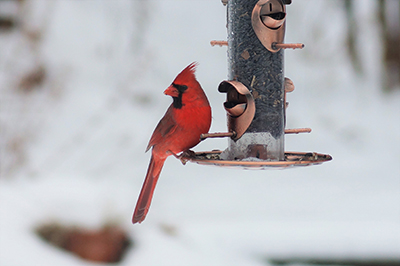
To invite a variety of birds, think about the types of feeders you use. Tube feeders are great for finches, while platform feeders attract larger birds like cardinals and jays.
Bird baths, even heated ones, can draw in species that might not visit for food alone. Water is essential, especially when natural sources freeze.
Consider location too. Some birds prefer secluded spots, while others like open areas. Experiment with different placements to see what works best.
Providing Varied Food Sources
Diversity in bird food is key. Offer seeds, suet, nuts, and fruits to cater to different dietary needs. Black oil sunflower seeds are a hit among many birds.
Niger seeds attract finches, while suet can lure woodpeckers and nuthatches. Try mixing seeds with dried fruits for added appeal.
Be attentive to changing preferences. As winter deepens, some birds might seek high-fat options for extra energy. Adjust your offerings accordingly.
Have you ever noticed which bird species visit your feeder most often? By diversifying your food sources, you might discover new visitors! Tailor your feeding strategy to keep them coming back.
Credit: www.westonnurseries.com
Frequently Asked Questions
Why Feed Birds In Winter?
Feeding birds in winter helps them survive harsh conditions. Natural food sources can be scarce during this season. Providing food supports their energy needs and attracts a variety of species to your yard. It's a rewarding way to enjoy nature while aiding bird conservation.
What Do Birds Eat In Winter?
In winter, birds primarily eat seeds, suet, and nuts. High-energy foods like sunflower seeds and peanuts are popular. Suet is excellent for fat reserves. Offering a variety of food ensures different species visit. Always keep feeders clean to prevent disease.
How Often To Feed Birds In Winter?
Feed birds daily in winter, ideally in the morning. Consistency helps birds rely on your food source. Refill feeders as needed, especially after snow or storms. Regular feeding helps birds maintain their energy levels and survive cold nights.
Is Feeding Birds In Winter Safe?
Yes, feeding birds in winter is safe and beneficial. It provides essential nutrients when natural sources are limited. Ensure feeders are clean to avoid diseases. Avoid feeding birds moldy or spoiled food. Water is also crucial, so provide fresh water when possible.
Conclusion
Feeding birds in winter supports their survival. Cold months challenge their ability to find food. Providing seeds and nuts helps them thrive. Watching them gather is rewarding. It builds a connection with nature. Consider different bird types when choosing food.
Each species has unique needs. Clean feeders regularly to prevent disease. Enjoy the beauty of their visits. Their presence adds joy to winter days. A small gesture makes a big impact. Birds appreciate our help during tough times. Your effort ensures they stay healthy.
This simple act benefits both nature and humans.