


Are you looking for a tasty treat to offer your feathered friends? You might be wondering, "Can I feed birds dried fruit?"
You're not alone in this curiosity. Many bird lovers are eager to find new ways to attract and nourish their backyard visitors. Imagine watching vibrant flocks fluttering around, enjoying a snack you've provided. It sounds delightful, doesn't it? But before you start tossing dried fruit into your garden, there are a few important things you need to know.
This guide will reveal the benefits and potential pitfalls of feeding birds dried fruit. Keep reading, and you'll discover how to safely and effectively add this sweet option to your bird-feeding routine. Your backyard could soon be the envy of every bird enthusiast in the neighborhood!
Benefits Of Feeding Birds Dried Fruit
Feeding birds dried fruit offers them essential nutrients and energy. It attracts a variety of bird species to your garden. This natural snack supports their health, especially in colder months.
Feeding birds dried fruit can be a delightful way to enhance their diet and attract a variety of species to your backyard. Dried fruits are packed with nutrients and can be a convenient alternative when fresh fruit isn't available. Adding dried fruit to your bird feeder can encourage more vibrant bird activity, offering both visual and auditory enjoyment.
Rich In Nutrients
Dried fruits retain most of the nutrients found in fresh fruits, including vitamins and minerals. They are a great source of natural sugars, providing birds with the energy they need for their daily activities. For example, raisins and dried cranberries are high in antioxidants, which can support the health of your feathered visitors.
Longer Shelf Life
Unlike fresh fruit, dried fruit can be stored for extended periods without spoiling. This means you can keep a supply on hand to feed the birds throughout the year, regardless of the season. It’s a practical choice for bird enthusiasts who want to maintain a consistent feeding routine.
Easy To Store And Handle
Dried fruits are lightweight and don't require refrigeration, making them easy to store and handle. You can easily carry a small bag of mixed dried fruits with you on hikes or while traveling to feed birds on the go. This convenience allows you to share the joy of bird feeding wherever you are.
Attracts A Variety Of Birds
Offering dried fruit can attract a broader range of bird species to your yard. Different birds have different preferences, and adding dried fruit can bring in species that might not be interested in seeds alone. You might notice orioles, waxwings, and even certain species of woodpeckers joining your usual visitors.
Promotes Natural Foraging Behavior
Feeding birds dried fruit encourages their natural foraging instincts. Birds enjoy picking through dried fruits, which can mimic their behavior in the wild. This activity not only entertains them but also keeps them mentally stimulated and engaged. Have you ever watched a bird meticulously pick through a mixture of seeds and dried fruits? It's a simple pleasure that can brighten your day and deepen your connection with nature. Why not try adding dried fruit to your feeder and see what new feathered friends you can attract?
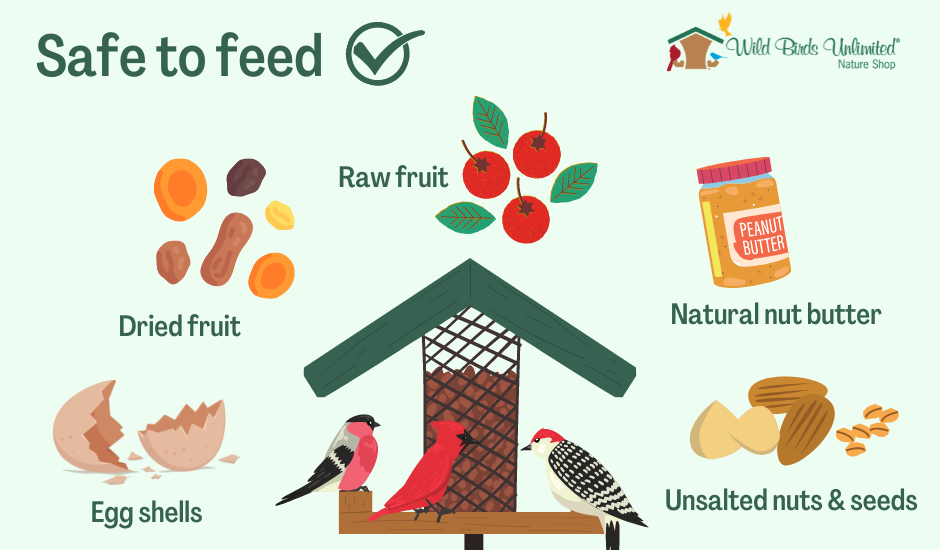
Credit: naturenotesblog.blogspot.com
Types Of Dried Fruit Suitable For Birds
Dried fruits like raisins, apricots, and cranberries are safe for birds. These fruits offer a sweet treat. Ensure they are unsweetened and free from preservatives.
Feeding birds dried fruit can be a delightful way to attract a variety of species to your backyard. Not only does it provide essential nutrients, but it can also be an interesting addition to their diet. However, it's important to know which types of dried fruit are safe and beneficial for birds. Let's explore some suitable options that you can offer to your feathered friends.
Raisins
Raisins are a popular choice among bird enthusiasts. These dried grapes are easy for birds to digest and provide a good source of energy. Sparrows, robins, and even some larger birds enjoy them. Next time you're snacking on raisins, consider sharing a few with your backyard visitors.
Cranberries
Cranberries are not only rich in antioxidants but also add a vibrant touch to your bird feeder. Birds like blue jays and mockingbirds are often drawn to their tart flavor. Have you ever tried cranberries in your bird mix? You might be surprised by the colorful flock it attracts.
Apricots
Apricots offer a sweet treat that many birds find irresistible. They're packed with vitamins, making them a nutritious option. Cut them into small pieces to make it easier for birds to munch on. Imagine watching a cardinal savoring a piece of apricot—it’s a sight worth the effort.
Dates
Dates are dense in sugar, providing an excellent energy source. They are especially beneficial during colder months when birds need extra calories to stay warm. Just ensure they are pitted and chopped into manageable sizes. What would you do if you noticed a woodpecker enjoying a date in your yard?
Figs
Figs are loved by many birds, especially finches and waxwings. These fruits are high in fiber and can help with digestion. Offering figs might not only attract birds but also enrich their diet. Would you try adding figs to your feeder and see if it changes the variety of birds visiting you?
Bananas
Dried bananas can be a treat for both you and the birds. They are full of potassium and other nutrients. Birds like parrots and even some wild birds find them appealing. Have you ever thought about sharing your dried banana snack with your feathered friends? When selecting dried fruit for birds, it's crucial to avoid any with added sugars or preservatives. Natural dried fruits are the best choice. Keep your offerings fresh and observe the changes in bird activity. Which dried fruit will you experiment with next?
Nutritional Value Of Dried Fruit For Birds
Birds enjoy a variety of foods, and dried fruit is one of them. It offers numerous benefits. Dried fruit is packed with nutrients essential for a bird's health. It's a tasty and convenient snack for our feathered friends.
Rich In Essential Vitamins
Dried fruits contain many important vitamins. They are rich in Vitamin A, which supports vision. Vitamin C is also present, aiding in overall health. These vitamins keep birds strong and energetic.
High In Natural Sugars
Natural sugars in dried fruit provide quick energy. Birds use this energy for flying and daily activities. But moderation is key. Too much sugar can lead to health issues.
Source Of Dietary Fiber
Fiber is crucial for birds' digestion. Dried fruit offers this dietary fiber. It helps in maintaining a healthy digestive system. A well-functioning system ensures optimal nutrient absorption.
Contains Antioxidants
Antioxidants in dried fruits protect birds from harmful free radicals. These compounds support their immune system. Healthy birds are more resilient to diseases.
Provides Essential Minerals
Dried fruits are a good source of minerals. They contain iron, which is vital for blood health. Calcium is also present, supporting bone strength. These minerals play important roles in a bird's well-being.
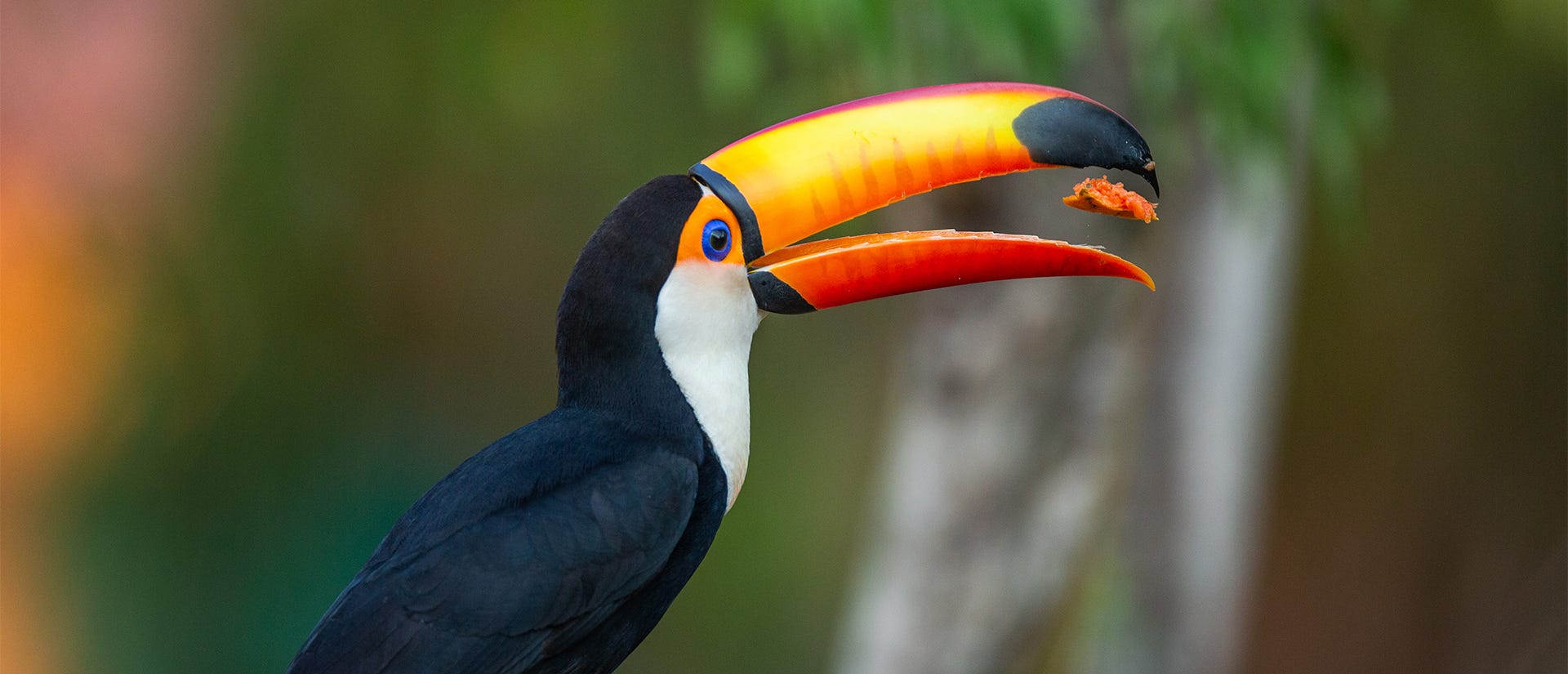
Credit: www.perkypet.com
Potential Risks Of Dried Fruit
Birds love dried fruit, but it may pose risks. High sugar content can lead to weight gain in birds. Preservatives and additives might upset their digestion. Always check labels and offer dried fruit sparingly to keep birds healthy.
Feeding birds dried fruit might seem like a convenient option, but it’s crucial to understand the potential risks involved. While some dried fruits can provide essential nutrients, others may pose dangers to our feathered friends. By knowing these risks, you can make safer choices for bird feeding.
High Sugar Content
Dried fruit often contains high levels of sugar. This can lead to health issues for birds, including obesity and metabolic disorders. Imagine if every snack you had was loaded with sugar—it's not ideal, right? Consider offering fruits with lower sugar content like cranberries or blueberries. This approach ensures you’re not unintentionally harming the birds you intend to help.
Preservatives And Additives
Many dried fruits are treated with preservatives and additives to enhance flavor and extend shelf life. These chemicals can be harmful to birds. Think about your own diet choices—would you prefer natural options over processed foods? Birds deserve the same consideration. Check labels carefully before purchasing dried fruits. Opt for organic or preservative-free products when available. This small step can make a big difference in bird health.
Choking Hazards
Dried fruits can be tough and chewy, posing choking risks for birds. They don't have teeth to break down food like we do. Have you ever struggled with a particularly chewy snack? Birds may face similar challenges. Cut dried fruits into small, manageable pieces before offering them. This simple action reduces the risk of choking and ensures birds can enjoy their treat safely.
Mold And Spoilage
Even dried fruits can spoil if stored improperly. Mold growth can be toxic to birds. Remember the last time you discovered spoiled food in your pantry? The same can happen with dried fruits. Store dried fruits in a cool, dry place and check regularly for signs of spoilage. Keeping an eye on freshness helps protect birds from potential harm. Now, as you consider feeding birds dried fruit, ask yourself—how can you make choices that prioritize their health and safety? By understanding these risks, you’re better equipped to provide nutritious and safe options for your backyard visitors.
Preparation Methods For Dried Fruit
Birds enjoy dried fruit as a tasty treat. Soak it in water to soften before feeding. Ensure the fruit is unsweetened and unseasoned to keep your feathered friends healthy.
Dried fruits can be a delightful treat for birds, offering a sweet burst of energy and nutrients. But before you toss some into the bird feeder, it's crucial to prepare them properly. How you prepare dried fruit can impact the health and safety of our feathered friends. Let's dive into some practical preparation methods to ensure dried fruits are ready to be enjoyed by birds.
Soaking Dried Fruit
Soaking dried fruit is a simple yet effective method to prepare them for birds. Dried fruits often contain preservatives like sulfur dioxide, which can be harmful. By soaking them in water for a few hours, you can wash away these additives, making them safer. Additionally, soaking rehydrates the fruit, making it easier for birds to eat. You might find that your backyard visitors appreciate the softer texture. Ever noticed how a bird struggles with hard foods? This method can help avoid that.
Cutting Into Smaller Pieces
Birds come in all sizes, and so do their beaks. Cutting dried fruit into smaller pieces can make them more accessible to smaller birds. It also helps prevent choking hazards, especially for those with tiny beaks. You don't need any special equipment—just a sharp knife and a cutting board. Even a quick rough chop can make a big difference. Have you ever tried biting into a large dried apricot? Birds face the same challenge.
Mixing With Other Bird Foods
Consider mixing dried fruit with other bird foods for a balanced diet. Combining them with seeds or nuts can offer a more varied nutrient profile. This blend can keep birds returning for more, drawn by the diverse buffet. Birds enjoy variety just as much as we do. Think of it as creating a birdie trail mix. Have you ever noticed how birds pick and choose from a mix? It’s fascinating and ensures they get a bit of everything.
Checking For Mold Or Spoilage
Always inspect dried fruit for any signs of mold or spoilage before serving. Moldy fruits can pose serious health risks to birds, leading to digestive or respiratory issues. If you spot anything suspicious, it's best to discard the fruit. This step is as crucial as washing fresh produce for your own meals. Would you eat spoiled food? Birds deserve the same care and attention.
Ensuring No Added Sugar
Check the packaging for any added sugars or syrups. While natural sugars in fruit are fine, added sugars can be harmful to birds. Opt for organic or natural dried fruits without additives. Your local health food store may carry suitable options. It’s like choosing a healthier snack for yourself. Would you choose a candy bar over a fresh apple? Birds benefit from natural options too. By following these preparation methods, you can make dried fruit a safe and enjoyable treat for your backyard birds. Are you ready to delight your feathered friends with a new tasty treat?
Feeding Techniques For Birds
Feeding birds can be a rewarding experience. It provides them with essential nutrients. Using dried fruit is one option for bird feeders. Understanding the right techniques ensures birds benefit and remain healthy. Each bird species may have different feeding needs. Knowing these techniques makes a difference in attracting birds.
Preparing Dried Fruit For Birds
Chop dried fruit into small pieces. Birds find smaller pieces easier to eat. Rinse the fruit to remove any preservatives. This keeps the fruit safe for birds. Softening the fruit in water can help. It makes the fruit easier to digest.
Offering Dried Fruit In Feeders
Choose a suitable feeder for dried fruit. Platform feeders work well for dried fruit. They allow birds easy access. Keep the feeder clean and dry. Moisture can spoil the fruit quickly. Regularly check and refresh the fruit.
Combining Dried Fruit With Other Foods
Mix dried fruit with seeds and nuts. Birds enjoy variety in their diet. This mix can attract different bird species. Ensure all food is fresh and safe. Avoid foods that contain salt or sugar.
Understanding Bird Preferences
Observe which birds visit your feeders. Different birds prefer different types of dried fruit. Trial and error can help identify favorites. Change the fruit based on seasons. Some birds may prefer berries in winter.
Monitoring Bird Health
Feeding birds dried fruit can support their health by providing essential nutrients. Choose fruits without added sugar or preservatives. Always offer fresh water alongside to aid digestion.
Monitoring the health of birds is crucial when you decide to feed them dried fruit. Birds, like humans, have dietary needs that must be met for their well-being. It’s your responsibility to ensure the foods you provide don't harm them. Observing their health can help you understand if they enjoy and benefit from dried fruit.
Watching For Changes In Behavior
Birds are creatures of habit. If you notice them acting differently, it might be a sign their diet needs adjustment. Are they less active? Are they avoiding the feeder? These changes could indicate the dried fruit isn't suitable for them.
Checking For Physical Symptoms
Physical symptoms are the most direct indicators of health issues. Look for signs like feather loss or unusual droppings. A healthy bird should have a smooth, shiny coat and regular droppings. If you spot anything unusual, it might be time to reconsider the dried fruit.
Listening To Bird Sounds
Birds often communicate through sounds. Pay attention to any changes in their chirping or singing. A happy bird will often sing or chirp more. If your backyard becomes unusually quiet, it could be a subtle sign of distress.
Ensuring Nutritional Balance
Dried fruits are tasty but lack certain nutrients birds need. Ensure you're offering a balanced diet by supplementing with seeds or nuts. This balance supports their overall health and keeps them coming back to your feeder.
Consulting A Bird Expert
If you're unsure about your bird’s health, don’t hesitate to reach out to a bird expert. They can provide advice tailored to your situation. Wouldn’t you prefer an expert’s opinion to ensure your feathered friends are thriving? Monitoring bird health is an ongoing process. By keeping an eye on these key aspects, you can make sure your avian visitors enjoy their meals and stay healthy. Are you ready to be a responsible bird feeder? Your backyard can become a sanctuary for vibrant and healthy birds.
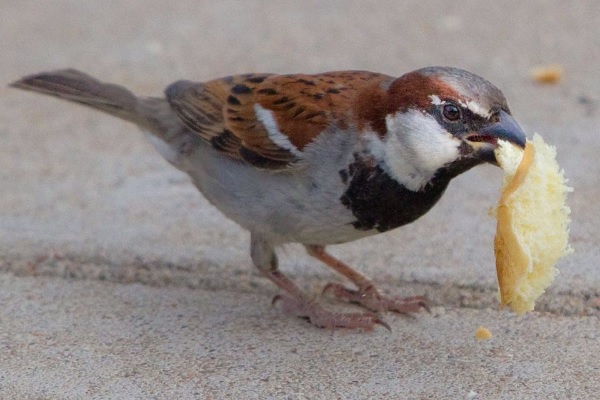
Credit: www.reallywildbirdfood.co.uk
Alternatives To Dried Fruit
Birds enjoy various treats beyond dried fruit. Fresh fruits like apples and berries are tasty options. Vegetables, seeds, and nuts provide essential nutrients. These alternatives ensure a balanced diet for your feathered friends.
Feeding birds can be a delightful pastime, but understanding their nutritional needs is crucial. While dried fruit is a popular choice, it might not always be the best option for our feathered friends. If you're looking to diversify the menu for your backyard visitors, there are plenty of exciting and nutritious alternatives to dried fruit.
Fresh Fruit Options
Fresh fruit can be a fantastic alternative to dried fruit. Many birds enjoy apples, pears, and berries. Ensure you remove any seeds or pits, as they can be harmful. The natural moisture in fresh fruit can also help keep birds hydrated. You might find that different species have unique preferences, so try offering a variety. Who knows, you might discover a new favorite among your local birds!
Nuts And Seeds
Nuts and seeds can be a protein-rich substitute for dried fruit. Offer unsalted peanuts, sunflower seeds, or shelled almonds to attract a variety of birds. Crush the nuts for smaller birds or leave them whole for larger species. You’ll be amazed at the range of birds that might visit when you include nuts and seeds in your offerings.
Vegetables
You might not think of vegetables as bird food, but many birds love them. Try offering corn, peas, or carrots cut into small pieces. Vegetables are packed with vitamins and minerals, providing a balanced diet. This option can be particularly appealing if you enjoy gardening and have extra produce to share.
Commercial Bird Food
Commercial bird food blends often contain a mix of seeds, grains, and dried fruits. These are formulated to meet the nutritional needs of different bird species. Check the ingredients to ensure there's no added sugar or preservatives. Using commercial blends can simplify feeding while ensuring birds receive a balanced diet.
Homemade Bird Treats
Making your own bird treats can be both fun and rewarding. You can mix seeds, grains, and small fruit pieces into suet cakes or bird seed blocks. Get creative and involve your family in the process. This way, you know exactly what's in the food you're offering. Have you ever tried making bird treats at home?
Exploring alternatives to dried fruit can enhance the variety of birds visiting your garden. Each option has its own set of benefits and can cater to different species. The next time you're restocking your bird feeder, consider mixing it up with some of these alternatives!
Frequently Asked Questions
Can Birds Eat Dried Fruit Safely?
Yes, birds can safely eat dried fruit in moderation. Ensure the dried fruit is unsweetened and free of preservatives. It provides essential nutrients and energy, but should complement their regular diet. Always offer fresh water and varied food options for a balanced diet.
What Dried Fruits Are Best For Birds?
Birds enjoy dried fruits like raisins, cranberries, and apricots. These fruits are rich in vitamins and minerals. Always ensure they are unsweetened and preservative-free. Moderation is key to prevent dietary imbalances and digestive issues. Offering a variety ensures a nutritious and enjoyable diet for birds.
How Much Dried Fruit Should I Feed Birds?
Limit dried fruit to small portions as a treat. Excessive consumption can lead to nutritional imbalances. Dried fruit should not exceed 10% of their diet. Combine with seeds, nuts, and fresh fruits for a balanced diet. Always monitor the bird's health and adjust portions as needed.
Are There Any Risks With Dried Fruit?
Yes, dried fruit can pose some risks if not chosen carefully. Avoid those with added sugars or preservatives. These can be harmful to birds. Overfeeding can lead to obesity and health issues. Always wash and cut dried fruit into manageable pieces to prevent choking.
Conclusion
Feeding birds dried fruit can be a tasty treat for them. Make sure it's unsweetened and free from additives. Always offer in moderation to avoid digestive issues. Try mixing with seeds for a balanced snack. Watch birds enjoy the variety in their diet.
Remember, fresh water is essential too. Bird health depends on balanced nutrition. Start with small quantities and observe their reactions. Respect their preferences and adjust accordingly. Happy bird feeding creates a lively backyard. Keep it simple for a joyful experience.
Encourage friends to join in the fun. Sharing moments with nature is rewarding.