


Have you ever wondered if there's a schedule to the fluttering activity in your backyard? You might notice birds flocking to your feeders at specific times, leaving you curious about their daily routines.
Understanding when birds prefer to dine can transform how you experience birdwatching. It can turn your garden into a bustling hub of avian life. Imagine sipping your morning coffee while a symphony of chirps unfolds before you, right on cue.
Discovering these feeding patterns isn’t just fascinating; it can help you create a welcoming environment for your feathered visitors. Stick around to uncover the secrets of their daily dining habits and learn how you can make your outdoor space a preferred pit stop for local birds.

Credit: www.birdwatchingdaily.com
Birds' Feeding Habits
Birds' feeding habits are as diverse as their vibrant feathers and melodious songs. Observing these habits can reveal intriguing details about their daily lives. Whether you're a seasoned birdwatcher or a curious newbie, understanding when birds feed can enhance your birdwatching experience.
Diurnal Vs. Nocturnal Feeders
Birds can be classified as diurnal or nocturnal based on their feeding times. Diurnal birds, such as robins and sparrows, are active during the day. They often feed in the morning and late afternoon when temperatures are cooler and insects are plentiful.
On the other hand, nocturnal birds like owls and nightjars hunt and feed at night. Their feeding times align with their prey’s activity, such as small mammals and insects that are active after dark. This adaptation ensures they have a steady food supply.
Influence Of Species On Feeding Times
The species of a bird significantly affects its feeding schedule. Hummingbirds, for instance, feed throughout the day on nectar, requiring frequent meals due to their high metabolism. They will often visit feeders every 10-15 minutes.
Meanwhile, seed-eating birds like finches and sparrows may feed more sporadically. They adapt their feeding to the availability of food and competition in the area. Have you noticed that some birds are more active in your yard at certain times?
Understanding these habits can help you create an ideal environment for birdwatching. Consider adding feeders that cater to both diurnal and nocturnal birds. This could make your garden a hub of activity, offering a front-row seat to witness nature's incredible diversity.
Factors Affecting Feeding Schedule
Birds are fascinating creatures with diverse feeding habits. Understanding their feeding schedule is crucial for bird watchers and enthusiasts. Various factors influence when birds feed, making their behavior intriguing and complex. Let's explore some of these factors.
Weather And Climate Impact
Weather greatly affects birds' feeding times. Rain can disrupt their routine. Birds often seek shelter during storms. Sunny days encourage early feeding. Windy conditions might deter them from flying. Cold weather influences their energy needs. They eat more to stay warm. Changing seasons impact food availability. Birds adapt to these changes.
Availability Of Food Sources
Food sources are crucial to birds' feeding schedules. Abundant food leads to frequent feeding. Scarcity affects their routines. Birds travel further for food when necessary. Seasonal changes alter food availability. Migratory birds adjust their schedules accordingly. Predators also influence feeding times. Birds feed cautiously to avoid threats. Human activities can disrupt food sources. Urban areas pose challenges for birds.
Seasonal Variations In Feeding
Birds often feed at specific times during the day. Early morning and late afternoon are popular feeding times. These periods align with peak insect activity, providing abundant food sources for birds.
Understanding how birds feed at different times of the year can be quite fascinating. These seasonal variations are not random but are influenced by various factors such as migration and breeding seasons. By observing these patterns, you can gain deeper insights into the behavior and needs of birds. Have you ever noticed how your backyard feeder sees more action during certain months? Let’s dive into some specifics.
Migration And Its Effects
Migration is one of the most significant seasonal events affecting bird feeding patterns. During migration, birds need to consume more food to build up energy reserves for their long journeys. This often results in a noticeable increase in activity at feeders. Birds like warblers and sparrows might suddenly appear in your garden, seemingly overnight. Their feeding schedules become more erratic as they aim to gather as much food as possible before resuming their travels. So, if you’re keen on supporting these feathered travelers, ensure your feeders are stocked during migration months.
Breeding Season Adjustments
The breeding season brings its own set of feeding behaviors. During this period, birds require additional nutrients to support egg production and chick rearing. You might see adult birds feeding more often or collecting food to bring back to their nests. In your backyard, this could mean more frequent visits from local species like robins and finches. Providing a variety of seeds and suet can help meet their nutritional demands. Have you ever noticed how parent birds seem to be in a hurry, darting back and forth? This is their instinct to gather enough sustenance for their growing families. Understanding these seasonal feeding patterns can enhance your bird-watching experience and help you support local wildlife. Keep your feeders full and observe the changes in bird activity throughout the year. What new patterns will you notice next time?
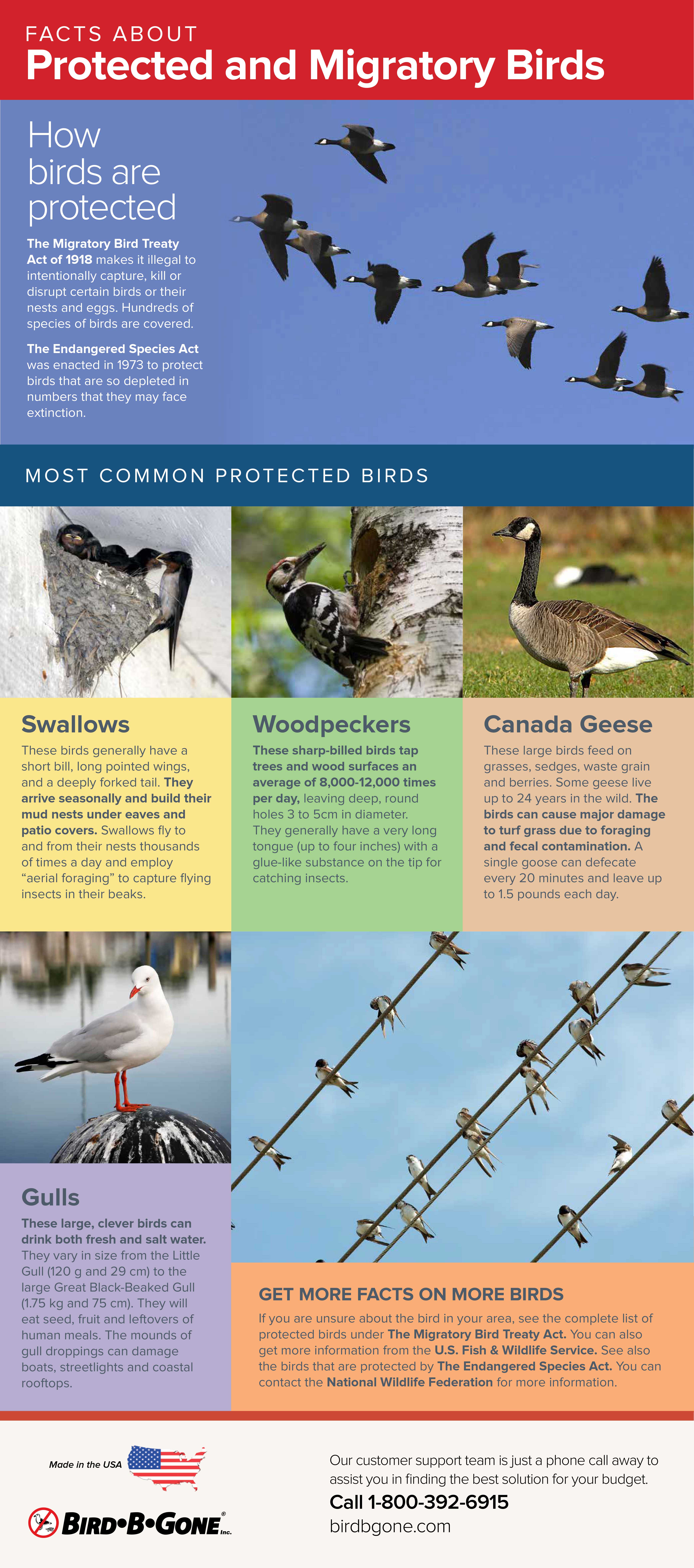
Credit: www.birdbgone.com
Human Influence On Bird Feeding
Birds have their natural feeding patterns. Yet, human activities change these patterns. Urban development and bird feeders are major influences. These elements impact how and when birds eat. Understanding these changes helps bird enthusiasts. They can better support bird populations.
Impact Of Urbanization
Urbanization alters bird habitats. Cities replace forests and fields. Concrete jungles disrupt natural food sources. Birds adapt by changing their feeding times. They search for food when the streets are quieter. Early morning and late evening become prime feeding times. Noise and pollution impact their routine too. Birds adjust to find peace and food.
Role Of Bird Feeders
Bird feeders offer a reliable food source. They change bird feeding habits. Birds visit feeders at regular intervals. Morning and midday are popular feeding times. Feeders provide nutrition in winter months. They attract a variety of species. This changes the local bird population dynamics. Feeders create new feeding patterns.
Observing Bird Feeding Patterns
Observing bird feeding patterns can reveal a lot about these creatures. Birds often have specific times they prefer to eat. Understanding these patterns helps birdwatchers get closer to nature. Noticing when birds feed can also improve birdwatching experiences. It lets you know the best times to observe different species.
Tips For Birdwatchers
Start early in the morning. Birds are most active then. Bring a notepad to jot down your observations. Note the time, weather, and types of birds. Patience is key. Sometimes, birds take a while to show up. Try observing near water sources. Many birds visit these spots to drink and feed. Keep a safe distance. This ensures birds feel comfortable and continue their natural behavior.
Technology In Bird Observation
Use apps to identify bird species. These apps often have sound recognition features. Binoculars are essential for a closer look. Choose ones with a wide field of view. Cameras with a zoom lens capture moments for later study. Trail cameras can track bird activity over time. They offer insights into feeding patterns during different parts of the day. Online birdwatching communities are valuable. They provide tips and share local bird sightings.
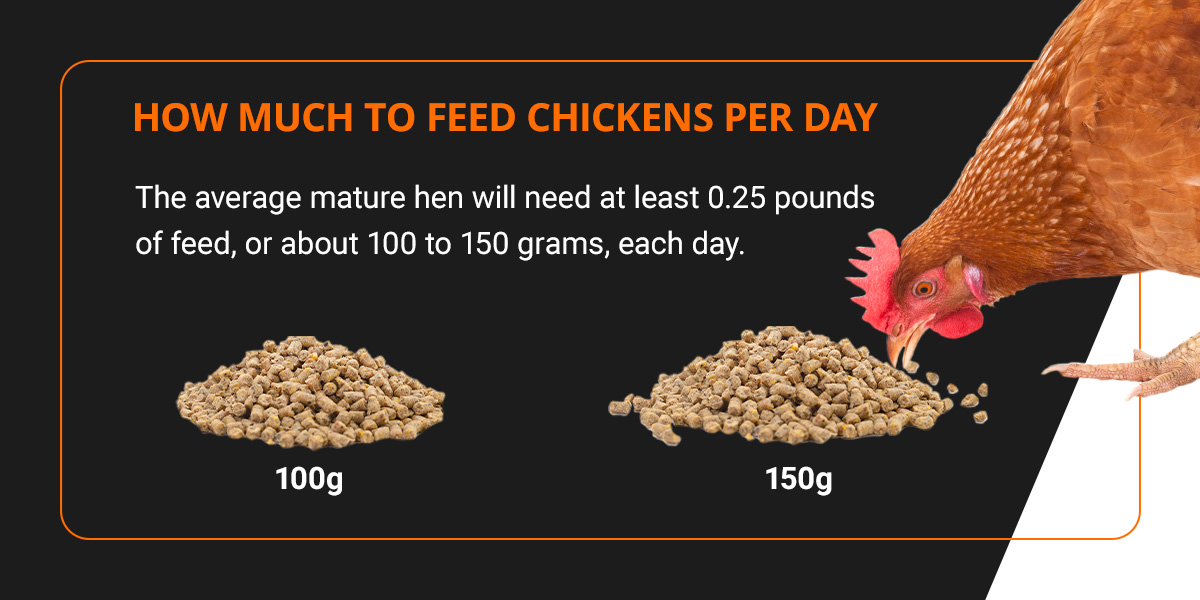
Credit: organicfeeds.com
Frequently Asked Questions
Do Birds Have Specific Feeding Times?
Yes, birds often feed during early morning and late afternoon. These times align with cooler temperatures and higher food availability. Birds are most active during these periods. Observing local bird activity can help identify specific feeding times for different species in your area.
Why Do Birds Feed In The Morning?
Birds feed in the morning to take advantage of abundant food. Insects are more active, and seeds are fresh. This timing helps them gather energy for the day. Morning feeding is crucial for survival, especially during breeding and migration seasons.
Is Afternoon Feeding Common For Birds?
Yes, afternoon feeding is common as birds replenish energy reserves. This period offers warmer temperatures, increasing insect activity. Birds can find food more easily. Afternoon feeding prepares them for resting during the night, ensuring they have enough energy for the next day.
How Do Seasons Affect Bird Feeding Times?
Seasons impact bird feeding times by altering food availability and daylight hours. In spring and summer, longer days mean more feeding opportunities. Conversely, in winter, birds may feed more during daylight to conserve energy. Seasonal changes in temperature and food sources influence their feeding patterns.
Conclusion
Birds have feeding patterns you can observe. Morning and evening are common times. This knowledge helps you understand bird behavior better. You can plan birdwatching or feeding activities accordingly. Knowing their schedule can enhance your experience. It's fascinating to see nature's rhythm.
Watch closely to learn more about their habits. Respect their natural feeding times. Enjoy the beauty and simplicity of birds visiting at predictable times. Their routine offers a glimpse into the natural world. Observing can be a peaceful and rewarding pastime.
Embrace the quiet joy of sharing time with these creatures.