


Have you ever looked at your plain bird feeder and thought it could use a splash of color? You're not alone.
Many bird enthusiasts wonder if they can paint their bird feeders to make them more visually appealing. After all, adding a touch of your own creativity can transform an ordinary feeder into a vibrant garden centerpiece. But before you grab your paintbrush, there are a few important things you need to know to ensure that your painted feeder remains safe for the birds you love to watch.
You'll discover the do's and don'ts of painting a bird feeder, as well as tips to keep your feathered friends happy and healthy. Stay with us, and you'll soon be ready to turn your backyard into a colorful haven for birds!
Choosing The Right Bird Feeder
Painting a bird feeder adds a personal touch and protects the wood from weather. Use non-toxic, eco-friendly paint to ensure safety for birds. Choose vibrant colors to attract more birds while blending the feeder with your garden's aesthetics.
Choosing the right bird feeder can feel like a daunting task with so many options available. Yet, the right choice can transform your backyard into a lively haven for birds. How do you know which feeder suits your needs? Let's break it down step by step.
Types Of Bird Feeders
Bird feeders come in various shapes and sizes, each designed to attract different species. Tube feeders are perfect for small birds like finches and chickadees. Hopper feeders can hold more seed and are great for attracting a variety of birds, including cardinals and sparrows. Platform feeders offer an open design, allowing birds to perch easily and feed. But remember, they might also attract squirrels. Consider what birds you want to attract before selecting a feeder type.
Material Considerations
The material of your bird feeder affects its durability and appeal. Wooden feeders blend beautifully with nature but may require regular maintenance. Plastic feeders are lightweight and easy to clean, yet they might fade over time. Metal feeders are robust and long-lasting, ideal if you're dealing with persistent squirrels. Ask yourself how much maintenance you're willing to commit to. If you value longevity and ease of cleaning, you might lean towards metal or plastic options. Remember, the best bird feeder is the one that fits both your lifestyle and the needs of your local bird population. As you ponder your choice, think about the joy and tranquility that a well-chosen bird feeder can bring to your outdoor space. Have you ever watched a cardinal's bright red plumage contrast against the snow? It’s a sight worth preparing for.
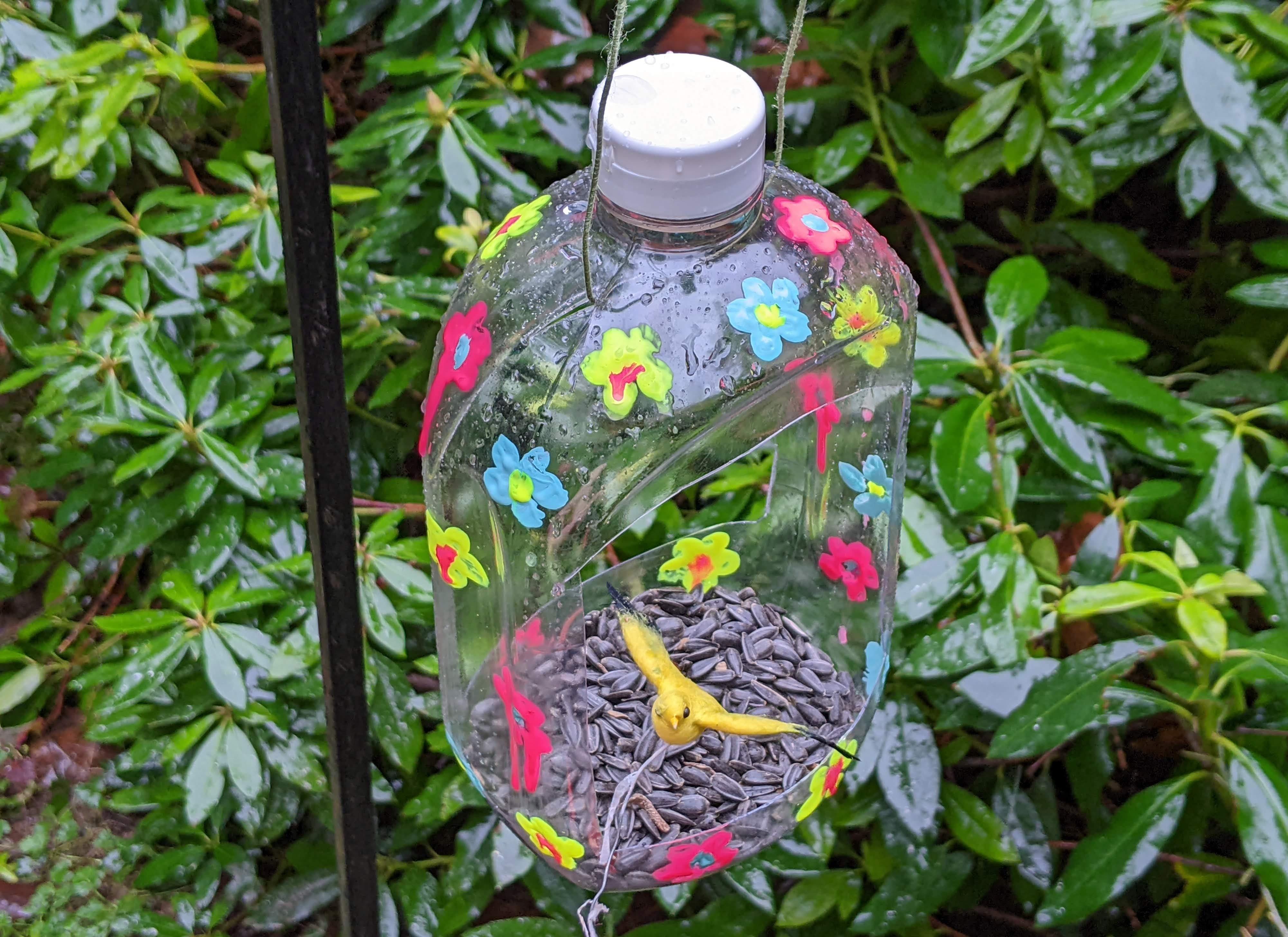
Credit: www.pbsutah.org
Preparing The Feeder For Painting
Painting a bird feeder can give it a fresh look. It also protects the wood or metal from weather damage. Before starting, prepare the feeder properly. This ensures the paint adheres well and lasts longer.
Cleaning The Surface
Start by cleaning the feeder thoroughly. Remove any dirt, dust, or bird droppings. Use a gentle soap mixed with warm water. Scrub with a soft brush or sponge. Make sure you reach all corners and crevices. Rinse it completely with clean water. Let it dry in the sun for several hours.
Sanding For A Smooth Finish
Once clean, inspect the surface for rough spots. Sanding creates a smooth surface for painting. Choose a fine-grit sandpaper for the job. Sand along the grain of the wood. This avoids scratches and keeps the surface even. Dust off any particles left from sanding. The feeder is now ready for painting.
Selecting The Perfect Paint
Painting a bird feeder adds a splash of color to your garden. Choose non-toxic, water-based paint safe for birds. This ensures it remains both decorative and functional without harming your feathered visitors.
Selecting the Perfect Paint Painting a bird feeder can be both fun and functional. But have you ever thought about what type of paint to use? Choosing the right paint is crucial, not just for aesthetics, but for the safety and well-being of our feathered friends. Let’s dive into the details.
Weatherproof Paint Options
Outdoor bird feeders face various weather conditions. Think about rain, snow, and intense sunlight. You need a paint that can withstand these elements. Look for weatherproof options specifically designed for outdoor use. Consider paints labeled as "outdoor-safe" or "weather-resistant." These paints often contain special binders that protect against cracking and peeling. This keeps your bird feeder looking fresh and vibrant for longer.
Safe Colors For Birds
Did you know that certain colors can attract or repel birds? When choosing paint, consider colors that are inviting to birds. Blues and greens are generally safe choices and blend well with nature. Avoid bright whites or metallic finishes, which can deter birds. Instead, opt for earth tones that mimic natural surroundings. Your bird feeder will not only look good but also become a safe haven for birds. Choosing the right paint isn't just about looks. It's about creating a welcoming and safe environment for the birds you love. What will you choose for your bird feeder?
Painting Techniques
Transforming a bird feeder with paint can add personality and charm to your garden. Choose weather-resistant paints for durability. Experiment with colors and patterns to create a visually appealing sanctuary for birds.
Painting your bird feeder can transform it from a simple utility into a vibrant garden accessory. It’s a fun way to express your creativity while adding color to your outdoor space. But what painting techniques should you use? Let’s explore some options.
Brush Vs. Spray Techniques
Choosing between brush and spray techniques can impact the final look of your bird feeder. Brushes offer precision, allowing you to paint intricate designs and patterns. This is perfect if you want to add personal touches like detailed flowers or tiny birds. Spray painting is quicker and ideal for achieving a smooth, even finish. It’s also great for covering large areas without brush strokes. However, it requires careful handling to avoid overspray on unwanted areas. Which method suits your style?
Layering And Texturing
Layering can add depth to your bird feeder, making colors pop and creating visual interest. Start with a base color and gradually add layers using different shades. This technique can mimic natural textures, like wood grain or stone finishes. Texturing involves adding extra elements like sand or small beads to your paint. This can create a tactile surface that birds might find intriguing. Experimenting with textures can lead to surprising results that make your feeder stand out. These techniques provide a playground for creativity while ensuring your bird feeder remains functional. What colors and textures will your feathered friends enjoy?
Creative Design Ideas
Painting a bird feeder adds a personal touch to your garden space. Creative designs make it stand out and attract more birds. Let's explore some design ideas to transform your bird feeder into a work of art.
Nature-inspired Themes
Nature provides endless inspiration for bird feeder designs. Use earthy colors like green, brown, and blue. These mimic natural elements and blend well with your garden.
Consider painting leaves or branches on the feeder. This design makes it look like part of the environment. Flowers or butterflies add a touch of whimsy. These elements enhance the natural look and appeal to birds.
Personalized Patterns
Create unique patterns that reflect your personality. Stripes or polka dots can make the feeder pop. Use bold colors to create a vibrant design. This catches the eye and adds fun to your garden.
Paint your initials or a favorite symbol on the feeder. Personal touches make it truly yours. Experiment with different brushes and techniques. Each stroke adds character and charm to your bird feeder.
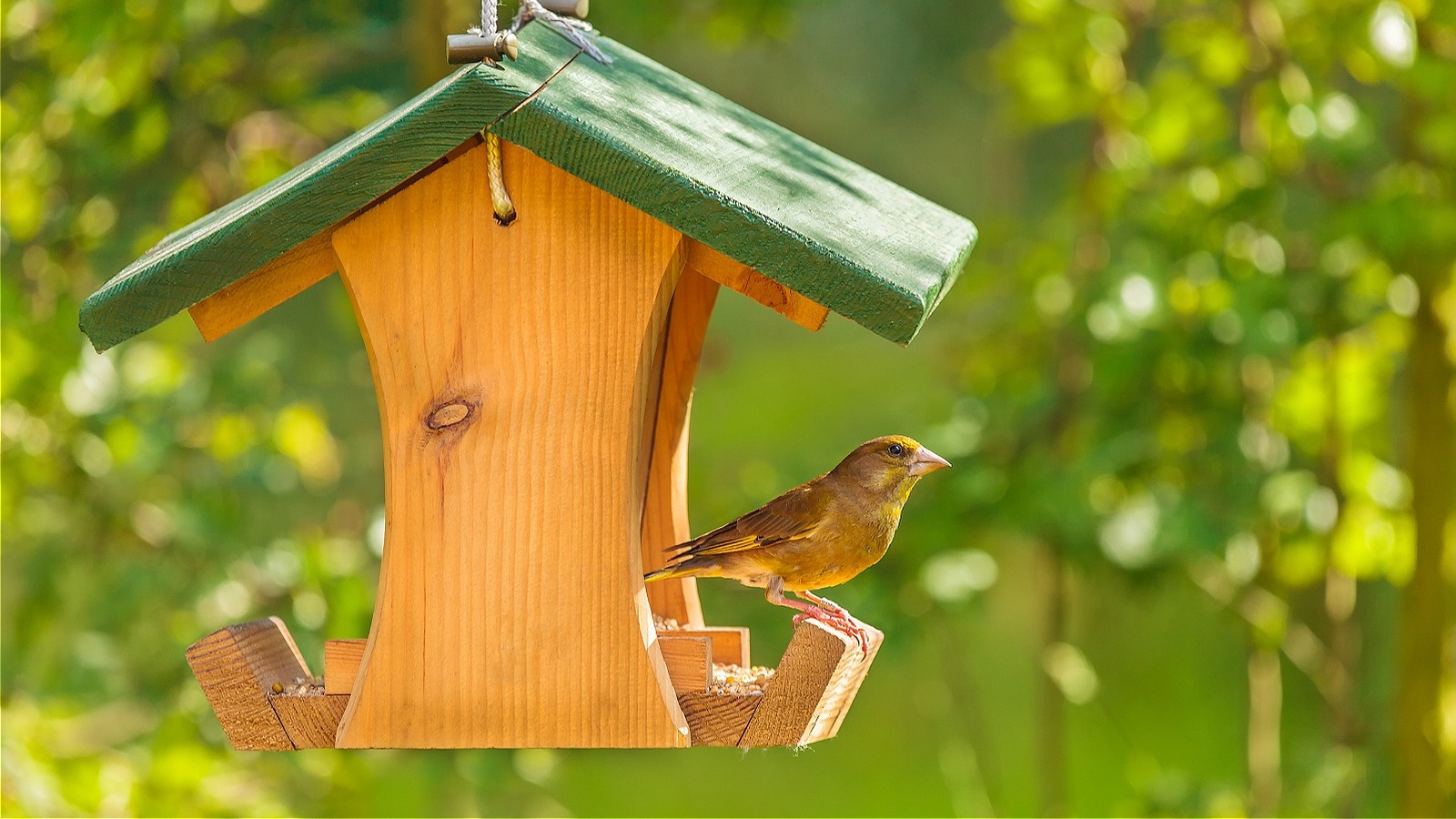
Credit: www.housedigest.com
Sealing And Protecting The Paint
Painting a bird feeder can enhance its appearance while sealing and protecting the paint extends its life. Opt for non-toxic, weather-resistant sealers to ensure durability and safety for birds. Proper sealing guards against moisture and wear, keeping the feeder vibrant and functional.
Painting a bird feeder can be a delightful way to add personality and charm to your garden. But after you've painted your feeder, how do you ensure that the vibrant colors withstand the elements and time? Sealing and protecting the paint is crucial to keep your artwork looking fresh and inviting to the feathered friends. Without proper sealing, you might find your masterpiece chipping away or fading too soon. So, how do you make sure your effort lasts?
Choosing The Right Sealant
When it comes to sealing your painted bird feeder, your choice of sealant matters. Opt for a clear, waterproof sealant that can withstand rain and humidity. Acrylic sealants are often recommended for their durability. Think about UV protection. Some sealants offer UV resistance, which keeps colors vibrant even under the sun. This is particularly useful if your feeder is in a sunlit area. Consider the environment. Eco-friendly sealants are available if you’re conscious about the chemicals affecting the birds or the soil. Always read the label to ensure it's safe for outdoor use.
Application Tips For Longevity
Proper application can significantly extend the life of the paint on your feeder. Apply in thin, even layers for the best results. Thick layers may lead to uneven drying and peeling. Allow each coat to dry thoroughly before applying the next. This patience pays off by preventing bubbles and cracks. Remember to cover all painted areas, including nooks and crannies. Missing a spot could lead to moisture seeping in and ruining your paint job. Have you ever sealed a painted bird feeder before? What challenges did you face? Share your experiences to spark a conversation.
Maintaining Your Painted Bird Feeder
Painting a bird feeder adds charm while protecting it. Use non-toxic paint for safety. Regular cleaning helps maintain appearance and ensures birds' health.
Maintaining your painted bird feeder is crucial to ensure it remains a vibrant and functional addition to your garden. A well-kept feeder can attract a variety of birds, adding life and color to your outdoor space. But how do you keep your painted bird feeder looking fresh and appealing over time?
Regular Cleaning Practices
Cleaning your bird feeder regularly is essential. Dirt and bird droppings can accumulate, dulling the paint and potentially harming the birds. Use mild soap and water to gently clean the painted surface. Avoid harsh chemicals that can strip the paint. Consider setting a reminder to clean your feeder every few weeks. This simple routine can make a big difference in maintaining its appearance. A clean feeder is more attractive to birds and keeps them healthy. Have you ever noticed how clean feeders seem to attract more visitors? This could be your experience if you keep yours spotless.
Touch-up And Repair
Paint can chip or fade over time, especially if exposed to the elements. Keep a small pot of the original paint handy for touch-ups. This way, you can quickly fix any blemishes without having to repaint the entire feeder. Inspect your feeder periodically for any structural damage. If you find any cracks or broken parts, repair them promptly. Keeping your feeder in good shape not only preserves its beauty but also ensures it's safe for the birds. Have you ever had a feeder that fell apart because of neglect? Take this as a lesson to care for your painted feeder regularly. Maintaining your painted bird feeder requires a little effort but rewards you with a lively garden. Regular cleaning and touch-ups ensure that your feeder remains a welcoming spot for birds. What steps will you take today to keep your feeder in top condition?
Safety Tips For Birds
Painting a bird feeder can add a splash of color to your garden. Yet, it's crucial to prioritize the safety of our feathered friends. Birds are sensitive to toxic substances. Ensuring their safety while painting is vital. Here are some safety tips for birds.
Non-toxic Materials
Selecting non-toxic paint is essential. Birds may peck at the feeder. Harmful chemicals can endanger their health. Use paints labeled as safe for children or pets. These are usually non-toxic. Check for labels that confirm water-based formulas. Oil-based paints often contain harmful chemicals. Always opt for eco-friendly options.
Ensuring Bird Health
Prevent paint from chipping or flaking. Birds may ingest these flakes. Seal the paint with a protective, non-toxic sealant. This prolongs the feeder's life. It also shields birds from harmful exposure. Place feeders in shaded areas. Direct sunlight can cause paint to deteriorate. Regularly inspect your bird feeder for paint damage. Repair any peeling or chipping immediately. This ensures ongoing safety for visiting birds.
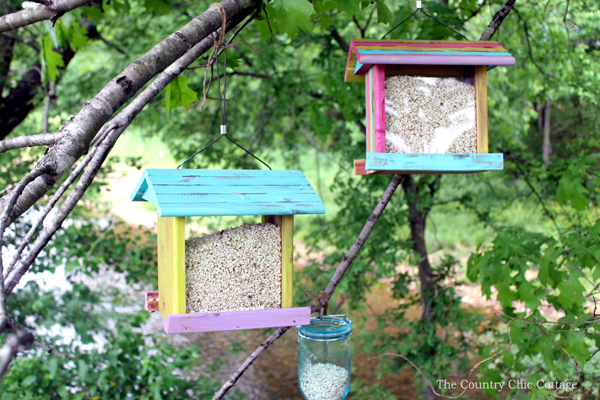
Credit: www.thecountrychiccottage.net
Frequently Asked Questions
Can You Paint A Bird Feeder Safely?
Yes, you can paint a bird feeder safely by using non-toxic, water-based paints. Ensure the paint is fully dry before placing the feeder outside. Avoid painting areas where birds directly feed to prevent ingestion of paint particles. This helps maintain the feeder's functionality and ensures bird safety.
What Paint Is Best For Bird Feeders?
Acrylic and latex paints are best for bird feeders as they are non-toxic and weather-resistant. Choose water-based paints to ensure they are safe for birds. These paints provide a durable finish, protecting the feeder from elements while maintaining safety for visiting birds.
How Often Should You Repaint A Bird Feeder?
Repaint a bird feeder every one to two years, depending on exposure to weather conditions. Regular maintenance helps preserve the feeder's appearance and durability. Inspect the feeder for signs of wear, like chipping or fading, to decide when repainting is necessary.
Can Painting A Bird Feeder Attract More Birds?
Yes, painting a bird feeder in bright colors can attract more birds. Birds are attracted to vibrant colors, which can enhance the feeder's visibility. Choose colors like red or yellow to increase bird visits while ensuring the paint used is non-toxic and safe for birds.
Conclusion
Painting a bird feeder adds charm to your garden. It also protects the feeder from weather. Choose non-toxic paints to keep birds safe. Bright colors can attract more birds. Always let the paint dry completely before use. Regular maintenance keeps your feeder looking fresh.
Enjoy watching birds visit your colorful creation. A painted feeder blends beauty with function. It's a simple project that brings joy. Give it a try and see the difference. Your garden will thank you. Happy bird watching!