


Have you ever found yourself with extra sesame seeds in your kitchen and wondered if they could be a treat for your feathered friends? You're not alone!
Many bird enthusiasts are curious about what types of seeds are safe and beneficial for birds. Understanding what you can feed them is essential, not only for their health but also for attracting a variety of beautiful birds to your backyard.
Before you sprinkle those sesame seeds into your bird feeder, let's explore if they're a tasty and safe option for your avian visitors. Stick around to discover the dos and don'ts of feeding birds sesame seeds, and ensure your feathered guests are both happy and healthy.
Benefits Of Feeding Birds
Birds enjoy a variety of seeds, including sesame seeds. These seeds provide essential nutrients, promoting good health. Feeding birds sesame seeds also encourages wildlife interaction in your backyard.
Feeding birds can be a delightful experience. Birds bring joy and life to any garden. Offering them food supports their health and energy. It also encourages them to visit often. Sesame seeds are one option many people consider. But are they beneficial for our feathered friends?
Nutritional Value Of Seeds
Sesame seeds are packed with nutrients. They contain healthy fats and proteins. Birds need these for strong muscles and energy. Sesame seeds also have vitamins. Vitamin B and E are important. They support a bird's immune system. Minerals like calcium and iron are present too. These help in bone development and blood health.
Impact On Bird Health
Sesame seeds can benefit bird health. They provide energy for daily activities. Birds need energy for flying and foraging. The fats in sesame seeds are good fats. They keep a bird's feathers shiny and healthy. Vitamins in the seeds boost immunity. A strong immune system fights diseases. Minerals like calcium strengthen bones. This is vital for flight and movement. Feeding birds sesame seeds can support their well-being. It offers a balanced diet. A diet that supports their active lifestyle.

Credit: www.tiktok.com
Sesame Seeds And Birds
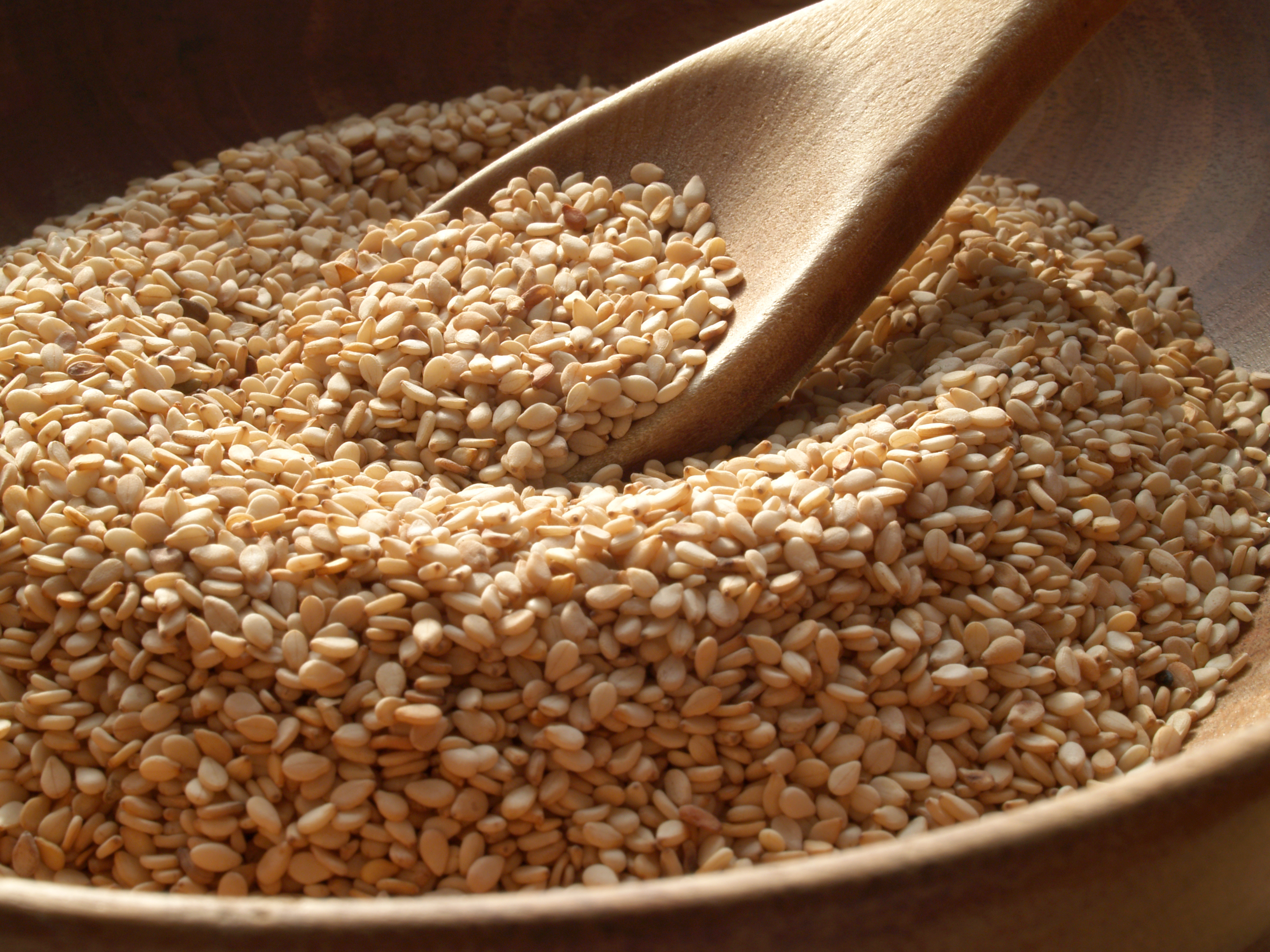
Birds enjoy sesame seeds as a nutritious snack. These tiny seeds are packed with healthy fats and protein. Offering sesame seeds can attract a variety of bird species to your garden.
Feeding birds in your backyard can be a delightful experience. You watch as they flit around, chirping happily, grateful for the food you've provided. But when it comes to choosing what to offer, you might wonder about sesame seeds. Are these tiny seeds safe for our feathered friends? And which birds might enjoy them? Let's dig a little deeper into the relationship between sesame seeds and birds.
Are Sesame Seeds Safe?
Yes, sesame seeds are generally safe for birds to eat. These seeds are packed with nutrients like protein, healthy fats, and calcium, which can be beneficial for birds. However, moderation is key. Offering sesame seeds as a part of a mixed diet is best. Birds need a variety of foods to meet their nutritional needs. Always ensure the seeds are clean and free from any additives or salt. Salt can be harmful to birds, so it’s crucial to give them plain sesame seeds.
Birds That Enjoy Sesame Seeds
Many birds relish the taste of sesame seeds. Sparrows and finches, for instance, are known to enjoy them. These small seeds are easy for them to handle and eat. You might be surprised to find larger birds like doves and pigeons pecking at sesame seeds, too. They appreciate the energy-rich nature of these seeds. If you've ever seen a chickadee or titmouse in your garden, try offering sesame seeds. They are curious birds and may appreciate the addition to their diet. If you place a mix of seeds in your feeder, watch closely. You might discover which birds favor sesame seeds the most. This can be a fun way to learn about the preferences of your local bird population. Have you noticed different birds visiting your feeder when you add sesame seeds? It could be an interesting observation to share with fellow bird enthusiasts. The world of bird feeding is full of small surprises that make it worthwhile.
Feeding Tips
Feeding birds can bring joy and life to your garden. Sesame seeds are a nutritious option for many bird species. Knowing the right feeding tips ensures birds get the most out of these seeds. Proper feeding keeps birds healthy and happy.
How Much To Feed
Birds need a balanced diet. Offer sesame seeds in moderation. Small birds may eat 1-2 teaspoons a day. Larger birds can enjoy more. Watch how much they eat. Adjust the amount based on their needs.
Mixing Sesame Seeds With Other Foods
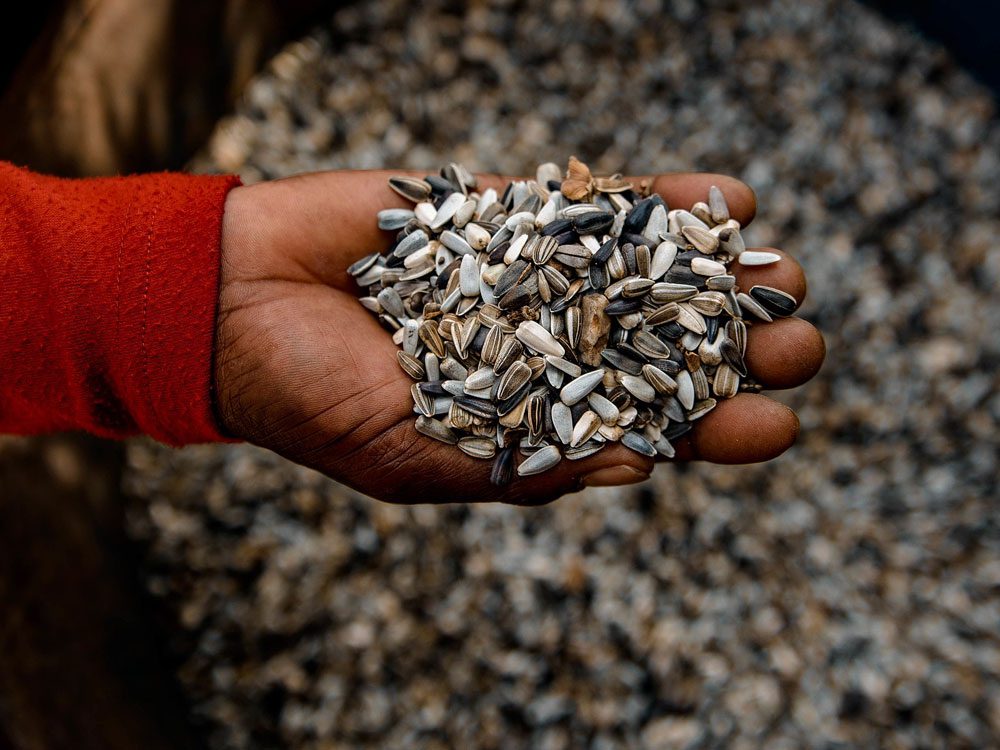
Sesame seeds are nutritious alone. Mixing them with other seeds adds variety. Combine them with sunflower seeds or millet. This attracts different bird species. Fruit and nuts also make great additions. Diversity in feeding keeps birds interested.
Credit: www.allaboutbirds.org
Potential Risks
Feeding birds sesame seeds might seem harmless, but there are potential risks you should consider. Birds, like humans, have specific dietary needs. Not all seeds are safe for them. Understanding these risks can help you make safer choices for your feathered friends. Let's explore some potential hazards.
Choking Hazards
Sesame seeds are small and smooth. Birds can easily swallow them whole without chewing. This might lead to choking, especially in smaller bird species. Imagine how terrifying it would be for a bird to struggle with a seed stuck in its throat.
Have you ever seen a bird trying to eat something too big for its beak? It's not just comical; it can be dangerous. Birds need seeds they can break down with their beaks. Always check the size and shape of seeds before offering them to birds. What might seem like a harmless snack could turn into a life-threatening situation.
Allergic Reactions
Birds, like people, can have allergies. Sesame seeds might trigger allergic reactions in some birds. Symptoms can include itching, swelling, or difficulty breathing. You wouldn't want to see a bird in distress because of a seed you provided.
Consider if you’ve ever had an allergic reaction. Not fun, right? Birds can experience similar discomfort. If you notice a bird reacting oddly after eating sesame seeds, it might be allergic. It's crucial to observe any unusual behavior when introducing new foods. Would you risk a bird’s health for the sake of variety?
Feeding birds can be a rewarding experience, but it’s important to be cautious. Are you willing to adjust your feeding habits to ensure their safety? Always prioritize the well-being of the birds you care for. Your careful choices can help keep them happy and healthy.
Alternatives To Sesame Seeds
Feeding birds can be a delightful hobby. But not all seeds are suitable. While sesame seeds are common, there are other options. These alternatives can offer birds a varied diet. They also ensure their safety and health. Let's explore some safe seeds, fruits, and nuts for your feathered friends.
Other Safe Seeds
Sunflower seeds are a popular choice for many birds. They are nutritious and loved by most species. Millet is another excellent option. It attracts small birds like sparrows and finches. Safflower seeds can deter squirrels while pleasing cardinals. These seeds are also rich in protein and fat. Flaxseeds, though small, are packed with omega-3 fatty acids.
Fruit And Nut Options
Birds enjoy a variety of fruits. Apples, without seeds, are a sweet treat. Offer berries like blueberries or strawberries. They are rich in antioxidants. Grapes can be cut in half for easy eating. Nuts provide essential fats. Peanuts, unsalted and shelled, are popular. Almonds and walnuts can be offered in small pieces. These options ensure a balanced diet for your backyard birds.
Credit: www.aboutkidshealth.ca
Creating A Balanced Diet
Feeding birds is a delightful hobby that brings joy to many. However, understanding the importance of a balanced diet for birds is essential. While it's tempting to offer them sesame seeds, it's crucial to ensure these seeds are part of a varied and nutritious diet. Just like humans, birds thrive on diversity in their food intake.
Incorporating Variety
Offering a mix of seeds, nuts, fruits, and grains can keep your feathered friends healthy. Sesame seeds can be a good addition, but they shouldn't be the sole component. Think about how you would feel eating the same meal every day. Birds enjoy variety too. Mixing in sunflower seeds, millet, and chopped fruits can give them the nutrients they need.
Have you ever noticed the different types of birds visiting your feeder? Each species may prefer certain foods. Observing their preferences can help you tailor the mix. Providing variety ensures that you're catering to different nutritional needs.
Monitoring Bird Health
As you offer a balanced diet, keep an eye on bird health. Are they active and chirpy, or lethargic and uninterested? A healthy diet should reflect in their vitality. If you notice any changes, it may be worth adjusting their food mix.
Consider creating a simple log or chart. Note what you feed them and any changes in their behavior. This can help identify if a particular food is beneficial or problematic. Remember, birds can't tell you if they're feeling unwell, but their behavior might give you clues.
Ask yourself, is the diet you're providing truly balanced? Maintaining this balance is vital for their well-being. By offering variety and monitoring their health, you can ensure your feathered visitors are happy and thriving.
Frequently Asked Questions
Can Birds Eat Sesame Seeds Safely?
Yes, birds can eat sesame seeds safely. These seeds are a great source of nutrients. They provide essential fats, proteins, and minerals. However, moderation is key. Too many seeds can lead to an imbalanced diet. Offer them as a supplement, not the main food.
Are Sesame Seeds Good For Bird Health?
Sesame seeds are good for bird health. They contain healthy fats and proteins. These nutrients support energy and growth. Additionally, they provide calcium and iron. These minerals are essential for strong bones and blood health. Always ensure a balanced diet with other foods.
How Should I Serve Sesame Seeds To Birds?
Serve sesame seeds raw and unsalted to birds. Avoid flavored or roasted options. Mix them with other seeds or bird food. This ensures a varied diet. You can also scatter them on the ground. This encourages natural foraging behavior.
Can All Bird Species Eat Sesame Seeds?
Most bird species can eat sesame seeds. They are suitable for many wild and pet birds. However, always research specific dietary needs. Some birds may have unique requirements. Consult a vet for advice on pet bird diets. Always introduce new foods gradually.
Conclusion
Feeding birds sesame seeds can be a healthy choice. Birds enjoy them. These seeds provide essential nutrients. They boost energy and help with digestion. Always offer seeds in moderation. Too much can cause issues. It's important to observe your bird's reaction.
Some birds may prefer other seeds. Experiment with small amounts. Ensure seeds are fresh and clean. Spoiled seeds can harm birds. Proper feeding enriches their diet. It keeps them happy and healthy. Enjoy watching your birds thrive. Their chirping will brighten your day.
Sharing these seeds can create joyful moments. Happy bird watching!