


Have you ever wondered if there's a right time to stop feeding birds suet? You're not alone.
Many bird enthusiasts like you find themselves questioning when to make the switch, especially as seasons change. Choosing the right moment is crucial for your feathered friends and can impact their health and survival. But don't worry, you’re about to uncover the secrets to making this decision with confidence.
We’ll guide you through the signals nature provides, helping you ensure your backyard remains a sanctuary for the birds you love. Keep reading to discover how to support your local wildlife in the best way possible.
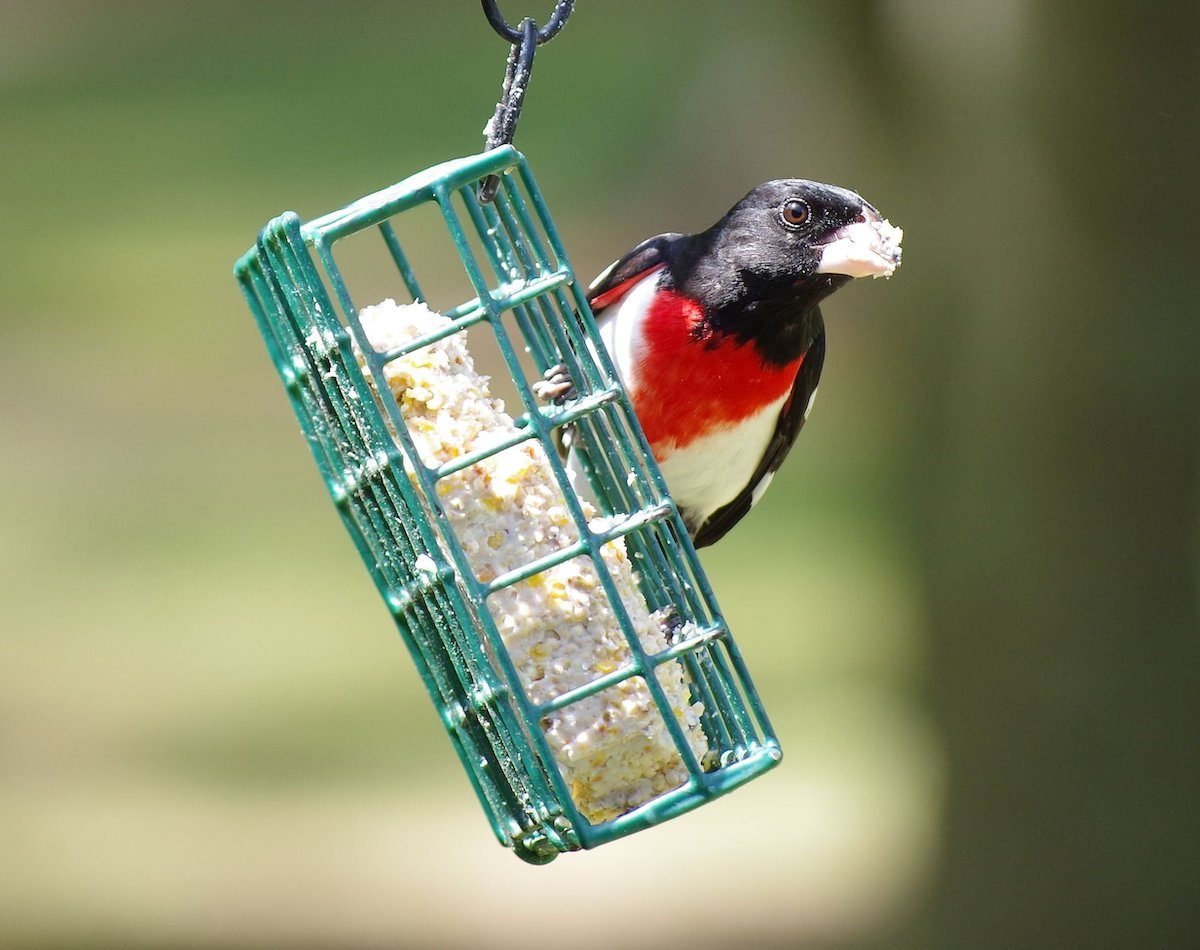
Credit: www.birdsandblooms.com
Benefits Of Feeding Birds Suet
Feeding birds suet is beneficial during colder months, providing energy and nutrition. Consider stopping when temperatures rise, as suet can spoil quickly in heat, leading to health risks for birds.
Feeding birds suet offers a variety of benefits that can transform your backyard into a vibrant sanctuary for feathered friends. Suet, which is a high-energy food made from animal fat, provides birds with essential nutrients, especially during colder months when other food sources are scarce. This simple act of offering suet can lead to an engaging and educational experience for you and your family.
Why Birds Love Suet
Birds are naturally drawn to suet due to its rich fat content. This is especially crucial in winter, as it helps them maintain body heat and energy levels. Watching birds flock to your suet feeder can become a delightful pastime, offering you a front-row seat to their fascinating behaviors.
Nutritional Benefits For Birds
Suet is packed with proteins and fats, vital for birds' health and survival. It provides the energy needed for long flights and extreme weather conditions. By providing suet, you ensure that birds have access to nutrients that might be missing from their natural diet.
Attracting A Variety Of Bird Species
Suet is a favorite among many bird species, including woodpeckers, chickadees, and nuthatches. You might find yourself surprised by the diversity of birds visiting your backyard. This diversity not only makes bird watching more exciting but also contributes to local biodiversity.
Creating Bird-watching Opportunities
Feeding birds suet can turn your backyard into a lively bird-watching spot. You'll have the chance to observe different species' feeding habits and interactions. Imagine a cozy afternoon spent with binoculars in hand, noting down the various birds that visit your feeder.
Fostering A Connection With Nature
Providing suet for birds encourages you to step outside and engage with nature. It offers a simple way to contribute to the environment and learn about local wildlife. This connection can be deeply fulfilling and serve as a reminder of the importance of conservation efforts. Have you ever considered how feeding birds suet could enhance your daily life? The joy of observing these creatures can be a refreshing escape from the hustle and bustle. So, when you're deciding what to feed your backyard birds, remember the myriad benefits of suet.
Identifying Seasonal Changes
Bird enthusiasts often wonder when to stop feeding birds suet. Understanding seasonal changes helps in making this decision. Birds' dietary needs shift with the seasons. Recognizing these changes ensures you provide the right nutrition.
Understanding Bird Behavior During Spring
Spring marks a shift in bird behavior. Birds begin nesting and require more energy. Suet, rich in fat, supports their increased energy needs. As insects become abundant, birds naturally reduce suet consumption.
Summer: A Time For Abundance
Summer offers plenty of natural food sources. Insects and fruits are in abundance. Birds prefer these over suet in the warmer months. Providing suet may attract fewer birds during this time.
Autumn's Nutritional Needs
In autumn, birds prepare for migration or winter. They need high-energy foods. Suet becomes important again as insects dwindle. Offering suet supports their energy requirements during this period.
Winter's Energy Demands
Winter poses harsh conditions for birds. Natural food sources are scarce. Suet offers essential fat and energy. Birds rely heavily on suet to survive the cold months.
Understanding these seasonal patterns aids in feeding birds effectively. Adjust suet offerings based on the seasons for optimal bird health.
Recognizing Bird Health Indicators
Feeding birds suet provides vital energy, especially in colder months. Yet, knowing when to stop is crucial for their health. Recognizing the right signs helps ensure their well-being. Understanding these indicators ensures a balanced diet for your feathered visitors.
Changes In Feather Condition
Healthy birds have sleek, shiny feathers. Dull or ruffled feathers might indicate issues. Lack of nutrients can affect feather health. Watch for any noticeable changes.
Abnormal Behavior Patterns
Birds with health problems may act differently. Look for unusual aggression or lethargy. Changes in flight patterns can also signal distress. Observing behavior helps in early detection.
Weight Fluctuations
Sudden weight changes can be concerning. Birds might become too heavy from excess suet. This can lead to mobility issues. Regular observation helps manage their diet.
Digestive Issues
Noticeable changes in droppings can indicate digestive problems. Healthy droppings are firm and well-formed. Loose or discolored droppings suggest dietary imbalances. Adjusting their diet might be necessary.
Breathing Difficulties
Listen for any wheezing or labored breathing. Respiratory issues can arise from poor diet. Prompt attention to such signs is important. It may be necessary to consult an expert.

Credit: www.perkypet.com
Understanding Local Wildlife Needs
Understanding the specific needs of local wildlife is crucial when deciding when to stop feeding birds suet. Feeding birds can be a rewarding experience, but not all birds have the same dietary requirements. Recognizing these differences ensures that you contribute positively to the local ecosystem. A walk in your local park or a quick chat with a local wildlife expert can offer insights into the unique needs of the birds in your area.
How Seasonal Changes Affect Bird Diets
Seasonal changes significantly influence what birds eat. During winter, many birds rely on high-energy foods like suet to maintain their body heat. However, as temperatures rise in spring, insects become more abundant, providing a natural food source.
Consider observing the types of birds visiting your feeder. Are they still consuming suet as eagerly as in the colder months? This might indicate it's time to reduce suet offerings.
Recognizing Local Bird Species
Identifying the bird species in your area can help you tailor your feeding strategy. Different species have varying nutritional needs. For example, woodpeckers may continue to enjoy suet year-round, while others might shift to seeds or insects.
Invest in a local bird guidebook or use a bird identification app. Knowing who's visiting can help you cater to their specific needs more effectively.
Impact Of Overfeeding On Bird Health
Overfeeding can lead to health issues among birds. Too much suet, especially in warmer months, may cause obesity or other health problems. Birds might also become dependent on feeders instead of foraging naturally.
Ask yourself: Are the birds becoming regular visitors or occasional diners? Regular visitors might indicate over-reliance, suggesting it's time to cut back.
Encouraging Natural Foraging
Encouraging natural foraging helps maintain a balanced ecosystem. By reducing suet in warmer months, you prompt birds to seek natural food sources. This benefits their health and supports local biodiversity.
Try planting native shrubs or trees that attract insects. This provides a sustainable food source while making your garden a haven for diverse wildlife.
Community Insights And Resources
Engage with your local birdwatching community. They can provide valuable insights into feeding habits and share their experiences. Community forums or local bird clubs are excellent resources for exchanging tips.
Do you know someone with a thriving bird-friendly garden? A quick conversation could reveal simple yet effective strategies to support your local avian friends.
Understanding the needs of local wildlife goes beyond just providing food. It's about fostering a harmonious relationship with nature, ensuring that both birds and humans thrive. What steps will you take today to support your feathered neighbors?
Impact Of Weather Conditions
Warm temperatures melt suet, making it unsafe for birds. Stop feeding them suet when it gets hot. Birds need fresh food in warm weather.
Understanding the impact of weather conditions is crucial when deciding when to stop feeding birds suet. Weather plays a significant role in determining the availability of natural food sources and the energy needs of birds. By observing the weather, you can make informed decisions that benefit both the birds and your backyard ecosystem.
Temperature Fluctuations
As temperatures rise, birds may not require as much suet. Warmer weather often brings an abundance of natural food sources like insects and berries. Consider cutting back on suet during these times, allowing birds to forage naturally.
Rain And Humidity
Rain and high humidity can spoil suet quickly, making it less appealing to birds and more prone to attracting pests. If you notice a string of rainy days, it might be a good idea to temporarily remove suet feeders. This helps maintain a clean feeding environment and ensures the suet doesn't go to waste.
Winter Weather Conditions
During winter, suet becomes a vital energy source for birds. Cold weather increases birds' energy needs, and natural food can be scarce. Keep suet available in freezing conditions to support your feathered visitors.
Windy Days
Wind can knock down suet feeders or cause them to swing, making it difficult for birds to feed. Secure your suet feeders firmly or consider relocating them to a more sheltered spot. This ensures birds can access the food they need without unnecessary struggle. Reflect on your local weather patterns and ask yourself: Are the conditions conducive to maintaining suet feeders? Your observations will guide you in providing the best support for your backyard birds.
Credit: georgiawildlife.com
Transitioning Away From Suet
Transitioning away from suet can be an important step in your bird-feeding journey. As seasons change, the dietary needs of our feathered friends evolve. Understanding when and how to make this shift ensures you continue to support their health and well-being. It’s not just about swapping out one food for another; it’s about creating an environment where birds thrive year-round.
Why Transition Is Necessary
Suet is a fantastic energy source, especially during cold months when birds need extra calories to stay warm. But as temperatures rise, the high-fat content can become less beneficial. Birds might start seeking lighter, protein-rich foods instead. Have you noticed changes in your garden's bird activity as spring approaches?
Signs It's Time To Stop
Birds' behavior can often signal when it's time to change their diet. If you notice suet remaining untouched or melting quickly in warmer weather, it may be time to transition. Observing bird patterns helps you understand their needs better. What changes have you observed in your backyard?
Alternative Foods To Consider
- Seeds:Consider offering sunflower seeds or mixed seeds. These are versatile and attract a variety of birds.
- Fruit:Fresh fruits like apples or berries can be appealing, especially for fruit-loving species.
- Insects:Mealworms or other dried insects provide protein that birds need during nesting season.
Creating A Balanced Feeding Environment
Balance is key to a successful transition. Introduce new foods gradually to see which ones your local birds prefer. Providing diverse options helps cater to different bird species. How do you ensure a balanced diet for your backyard visitors?
Monitoring Bird Health And Activity
Regularly watch your garden to observe the birds' interactions with the food you provide. Healthy birds should appear active and alert, with glossy feathers. Monitoring their health can guide any adjustments you might need to make. Do you have a favorite spot for birdwatching?
Personal Experiences And Insights
I've found that transitioning from suet to seeds in my garden has attracted a wider variety of birds, including some unexpected visitors. It’s fascinating to see how minor changes can influence bird diversity. Have you experienced similar surprises in your bird-feeding routine?
Alternative Feeding Options
Birds benefit from suet in winter for energy and warmth. Stop offering suet as temperatures rise in spring. Transition to seeds or nectar to support birds' changing nutritional needs in warmer months.
Feeding birds suet can be a rewarding experience, but knowing when to stop is crucial for their health and the ecosystem. As seasons change, you might wonder what other options you have to keep your feathered friends happy. Diverse feeding options can attract a variety of bird species and maintain their health year-round. Let's explore some practical alternatives to suet that can enrich your bird-feeding routine.
Switch To Seeds
Seeds are an excellent alternative to suet, offering nutrition without the added fats. Sunflower seeds are a favorite among many bird species, providing energy and essential nutrients. Consider adding a mix of seeds to your feeder to attract different birds. A variety can include millet, cracked corn, and safflower seeds. How often have you noticed the vibrant colors of birds visiting your garden when you switched to seeds? It's an easy change with a noticeable impact.
Fruits For A Sweet Treat
Fruit can be a delightful option for birds, especially during warmer months. Offer slices of apple, orange, or berries to entice birds like robins and orioles. You might be surprised at how quickly they flock to your garden for this sweet treat. Think about the last time you added fruit to your feeder—did you notice any new visitors? This simple addition can make your garden a haven for hungry birds.
Nuts For Extra Nutrition
Nuts provide essential fats and proteins that many birds need, especially during migration. Peanuts are a popular choice, either whole or crushed. Offering nuts can support birds during their journey, giving them the energy boost they need. Have you ever tried leaving out some nuts and watched the birds eagerly devour them? It's a small change that can make a big difference.
Adjusting Feeders For Seasonal Changes
As seasons shift, your feeding strategy might need an update. During colder months, suet provides essential fats, but in warmer months, lighter options like seeds and fruits are preferable. Are your feeders ready for the seasonal change? Evaluating and adapting your feeding strategy can ensure you're meeting the needs of your bird visitors year-round. By exploring these alternative feeding options, you can create a dynamic and inviting space for birds. What changes will you make to your bird-feeding routine today? It's time to experiment and see which options attract the most visitors.
Community Guidelines And Recommendations
Birds enjoy suet, but it's best to stop feeding it during warmer months. Suet can spoil quickly in heat. This may harm the birds.
Feeding birds suet can be a joyful experience, enhancing your backyard with vibrant wildlife. However, knowing when to stop is crucial for the birds' health and your community's well-being. Community guidelines and recommendations offer a balanced approach to ensure you’re feeding birds responsibly. By following these suggestions, you can enjoy birdwatching without causing unintentional harm. Every region has its unique bird species and climate conditions. What works for one area might not be suitable for another. Check with local wildlife experts or birdwatching groups to understand the specific needs and patterns in your community.
Seasonal Considerations
Most communities suggest stopping suet feeding in the warmer months. Suet can spoil quickly in high temperatures, attracting pests and potentially harming the birds. During the summer, birds can often find their own food, which is more beneficial for their diet.
Health And Safety Guidelines
Be aware of the risks of overfeeding birds. Too much suet can lead to obesity or nutritional imbalances. Keep your suet feeders clean to prevent the spread of disease among the bird population.
Community Feedback And Cooperation
Engage with your neighbors and local birdwatching communities. Sharing experiences and observations can offer valuable insights into the best practices for your area. Have you noticed any changes in bird behavior or diversity in your backyard?
Alternatives To Suet
Consider offering alternatives during warmer months, such as seeds or native plants. These options can provide a more stable and natural food source for birds. Have you tried planting bird-friendly shrubs or trees?
Environmental Impact
Overfeeding can lead to an imbalance in the ecosystem. Birds may become reliant on human-provided food and neglect natural foraging behaviors. This might make you wonder, how can we ensure our actions support rather than hinder local wildlife?
Personal Observations
I once noticed an increase in pests around my suet feeder during a particularly warm spring. After consulting with local bird enthusiasts, I stopped suet feeding, and the problem resolved. Have you experienced similar challenges, and how did you tackle them? By being mindful of community guidelines and recommendations, you can contribute positively to your local ecosystem. Your actions can make a significant difference in maintaining a healthy balance for both birds and the environment.
Frequently Asked Questions
When Should I Stop Feeding Birds Suet?
Stop feeding birds suet when temperatures consistently rise above 50°F. Warm weather can cause suet to spoil quickly, attracting pests. Instead, offer seeds or other bird-safe foods. Monitor local weather patterns and adjust feeding practices accordingly to ensure bird health and safety.
Why Is Suet Bad In Warm Weather?
Suet can spoil in warm weather, becoming rancid and unhealthy for birds. It can melt and stick to birds' feathers, impairing their ability to fly. Spoiled suet also attracts unwanted pests. To keep birds safe, switch to alternative foods during warmer months.
Can I Feed Birds Suet All Year Round?
Feeding suet year-round is possible, but not advisable in warm climates. High temperatures can cause it to spoil, harming birds. Use no-melt suet varieties or switch to seeds in summer. Always consider local climate and bird species to ensure safe feeding practices.
What Are Alternatives To Suet In Summer?
In summer, offer birds seeds, fruits, or nectar instead of suet. These options are safe and nutritious for birds in warm weather. Choose foods that won't spoil quickly and ensure a fresh water source. This helps maintain a healthy bird habitat.
Conclusion
Feeding birds suet is rewarding. But timing matters for their health. Stop during warm months. Heat makes suet spoil faster. Avoid it in spring and summer. Birds need different nutrients then. Switch to seeds or fruits. They offer essential vitamins and minerals.
Observe bird behavior. Their needs change with seasons. Safe feeding ensures their well-being. Enjoy watching them thrive. It's fulfilling to support wildlife responsibly. Always adapt your methods. Keep learning about their habits. Nature is dynamic. Your care makes a difference.
Create a balanced feeding strategy. Birds rely on you. Make thoughtful choices all year round.