


Are you an avid bird enthusiast or simply someone who enjoys the cheerful songs and vibrant presence of feathered visitors in your backyard? You might be tempted to offer them a little snack.
But wait! Before you do, it's important to know if feeding wild birds is truly beneficial for them and safe for your local environment. Understanding the impact of your actions can transform your backyard into a haven for these delightful creatures, or unintentionally cause harm.
We’ll explore the dos and don’ts of feeding wild birds, ensuring that your efforts are both rewarding for you and beneficial for the birds. Stick around, because what you learn here might just change how you interact with nature forever.
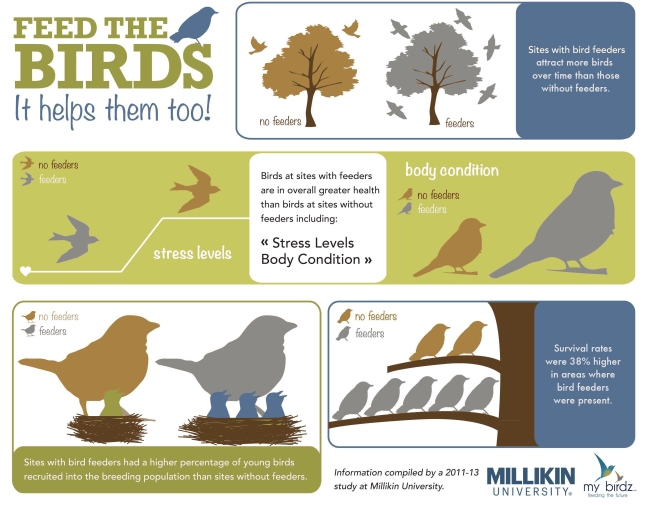
Credit: springfieldil.wbu.com
Benefits Of Feeding Wild Birds
Feeding wild birds offers a delightful way to connect with nature. It supports bird health by providing essential nutrients. Observing their behavior can be a peaceful, educational experience.
Feeding wild birds can be a rewarding experience that benefits both you and the birds. Observing these delightful creatures up close offers a unique connection to nature and enriches your daily life. But beyond personal enjoyment, there are numerous advantages to supporting our feathered friends.
Enhancing Biodiversity
By providing food, you support a variety of bird species, helping maintain the delicate balance of ecosystems. Different birds prefer different seeds, so offering a mix attracts diverse species, promoting biodiversity in your area. This can lead to a healthier environment overall.
Supporting Bird Health
During harsh weather or when natural food sources are scarce, your bird feeder becomes a lifeline. Nutrient-rich seeds and suet can help birds maintain their energy and health. Ensuring they have enough food can improve their chances of survival, especially during breeding seasons.
Reducing Pest Populations
Birds are natural pest controllers. When you feed them, they are likely to stick around your garden, consuming insects and larvae that could harm your plants. This natural pest control can reduce the need for chemical pesticides, keeping your garden healthy and thriving.
Educational Opportunities
Feeding wild birds offers a fantastic way to learn about bird behavior, species diversity, and ecology. It's a great educational activity for children, sparking an interest in wildlife and conservation. Have you ever watched a bird build its nest? It’s a fascinating process that can teach patience and observation skills.
Fostering A Sense Of Community
Bird feeding can bring people together, creating a shared interest in local wildlife. Whether you’re swapping birdwatching stories with neighbors or participating in citizen science projects, feeding birds can foster a sense of community. Have you considered joining a local birdwatching group to share your sightings and learn more?
Creating A Peaceful Environment
The simple act of watching birds can bring tranquility and joy to your day. Their songs and antics provide a soothing backdrop to your outdoor space, enhancing your mental well-being. Have you noticed how a few moments of birdwatching can ease stress and bring a smile to your face? Feeding wild birds is not just about tossing seeds; it's about connecting with nature and contributing to the environment. What benefits have you noticed from feeding wild birds in your backyard?

Credit: voice.gardenbird.co.uk
Choosing The Right Bird Food
Choosing the right bird food is essential for attracting wild birds. Provide seeds like sunflower or millet for variety. Avoid bread and processed foods as they can harm birds' health. Supporting local wildlife with suitable food helps maintain their natural diet and promotes a thriving ecosystem.
Feeding wild birds can be a delightful pastime, drawing nature closer to your home. However, to truly support their health and well-being, it's crucial to choose the right bird food. The right selection can turn your backyard into a haven for various bird species, offering them the nutrition they need while providing you endless enjoyment as you watch them thrive.
Seeds And Grains
Seeds and grains are staple bird foods. They are popular among a wide variety of birds. Sunflower seeds are a favorite; they attract cardinals, blue jays, and chickadees. Millet, on the other hand, is loved by sparrows and doves. You might have noticed how quickly birds can empty a feeder filled with sunflower seeds. Experiment with different seeds to see which birds visit your feeders. Offering a mix will attract a diverse range of birds. Consider purchasing a seed blend from a reputable store. This helps ensure quality and freshness, keeping your feathered friends happy and healthy.
Fruits And Nuts
Fruits and nuts are excellent options for attracting birds with a sweet tooth. Many birds enjoy raisins, apples, and berries. These foods provide essential vitamins and minerals. Watching birds peck away at a slice of apple is a joy. Nuts like peanuts and almonds are high in protein and fat. They're perfect for birds needing extra energy during cold months. However, be careful with salted or flavored nuts. They can harm birds. Always opt for plain, unsalted varieties.
Suet And Mealworms
Suet and mealworms are great for insect-eating birds. Suet is a high-energy food made from animal fat. It’s particularly useful in winter when natural food sources are scarce. You might be surprised at how many different birds will visit your suet feeder. Mealworms are loved by robins and bluebirds. They are nutritious and easy to offer. You can buy them dried or live. Live mealworms can be more enticing, but dried ones are less messy. Consider placing mealworms in a dish to prevent them from escaping. Choosing the right bird food can create a vibrant ecosystem right in your backyard. What type of birds do you hope to attract?
Setting Up Bird Feeders
Feeding wild birds can be a delightful hobby, connecting you with nature. Setting up bird feeders helps attract various bird species to your garden. Enjoy watching these feathered visitors while providing them with food and shelter.
Setting up bird feeders is a rewarding way to invite the vibrant world of wild birds into your backyard. You may find yourself mesmerized by the colorful array of feathered friends visiting your feeders. The sound of chirping can transform your outdoor space into a lively sanctuary. But how do you set up a bird feeder effectively? Let’s explore the essentials together.
Types Of Bird Feeders
Choosing the right bird feeder is like picking the right tool for the job. Different feeders attract different species. Tube feeders are perfect for small birds like finches and chickadees. Hopper feeders hold more seed and attract a wide variety, from sparrows to cardinals. Platform feeders provide a flat surface for birds to perch and feed, making them ideal for ground-feeding birds. If you love hummingbirds, consider a nectar feeder. Their bright colors will surely bring these tiny acrobats to your yard.
Optimal Locations
Where you place your bird feeder can make a big difference. Birds need to feel safe while eating, so position feeders near trees or shrubs. This gives them a quick escape route from predators. Keep feeders away from areas with heavy foot traffic. A quiet corner of your garden can be a perfect spot. Ensure the feeder is visible from your window. This way, you can enjoy watching the birds without disturbing them.
Maintenance Tips
Maintaining your feeders is crucial for the health of the birds. Clean feeders at least once every two weeks with a mild soap and water solution. This prevents mold and disease. Check for signs of spoilage, like clumped seed or a bad smell. Replace old food regularly to keep it fresh. Use a sturdy hook or pole to keep the feeder stable. A swinging feeder can spill seed and deter birds. Have you ever noticed fewer birds at your feeder? It might be time to change the seed or location. Observing your feathered visitors can offer clues to improve your setup. By investing a little effort, you can create a welcoming haven for wild birds.
Understanding Bird Behavior
Understanding bird behavior helps in feeding wild birds effectively. Birds have unique patterns and habits. Observing these can enhance the feeding experience. Knowing their seasonal feeding needs and identifying common visitors are crucial. These insights make feeding birds more rewarding and purposeful.
Seasonal Feeding Patterns
Birds change their feeding habits with seasons. In spring, they need energy for nesting. High-protein foods support them during this time. Summer is about hydration. Fresh fruits and water sources attract them. Autumn brings preparation for migration. Birds seek high-fat foods for energy reserves. Winter demands calorie-rich foods. Seeds and suet provide necessary warmth.
Common Visitor Species
Different species visit feeders regularly. Sparrows are common in urban areas. Their friendly nature attracts bird watchers. Cardinals with their bright colors are frequent guests. Blue Jays are known for their bold behavior. They love peanuts and corn. Finches charm with their melodious songs. Their visits bring joy to many. Each species has unique preferences.
Safety Precautions
Feeding wild birds requires care. Clean feeders regularly to prevent disease. Use fresh seeds and avoid feeding processed foods.
Feeding wild birds can be a delightful way to connect with nature and enjoy the beauty of your local wildlife. However, it’s essential to take specific safety precautions to ensure the birds' health and safety. By being mindful of these considerations, you can create a welcoming environment for your feathered friends while minimizing potential risks.
Preventing Disease
Cleanliness is crucial when feeding wild birds to prevent the spread of disease. Ensure your bird feeders are cleaned regularly with a solution of one part bleach to nine parts water. Rinse thoroughly and let them dry completely before refilling. Rotating feeding locations in your yard can also help reduce the risk of disease. This prevents waste accumulation and allows the ground beneath to recover. Additionally, avoid overcrowding by using multiple feeders to reduce contact among birds. Think about the food you offer. Fresh seeds and nuts are best, as moldy or spoiled food can harm birds. Store bird feed in airtight containers to keep it fresh and safe from pests.
Avoiding Predators
Place feeders at a safe distance from potential predators. Cats, for instance, are natural hunters and can pose a significant threat to birds. Position feeders at least 10-12 feet away from bushes or structures where predators might hide. Consider installing a baffle or guard on your feeder pole. This simple addition can deter squirrels and other climbing predators. Additionally, hanging feeders from thin branches can make it difficult for larger animals to reach them. Reflect on the time you fill your feeders. Early morning or late afternoon is ideal as birds are most active then, and predators are less likely to be present. Your vigilance can make a significant difference in the safety of your visiting birds. These safety precautions ensure that feeding wild birds is a rewarding experience. Are there other strategies you use to keep your backyard birds safe? Share your thoughts and enrich the community’s knowledge.
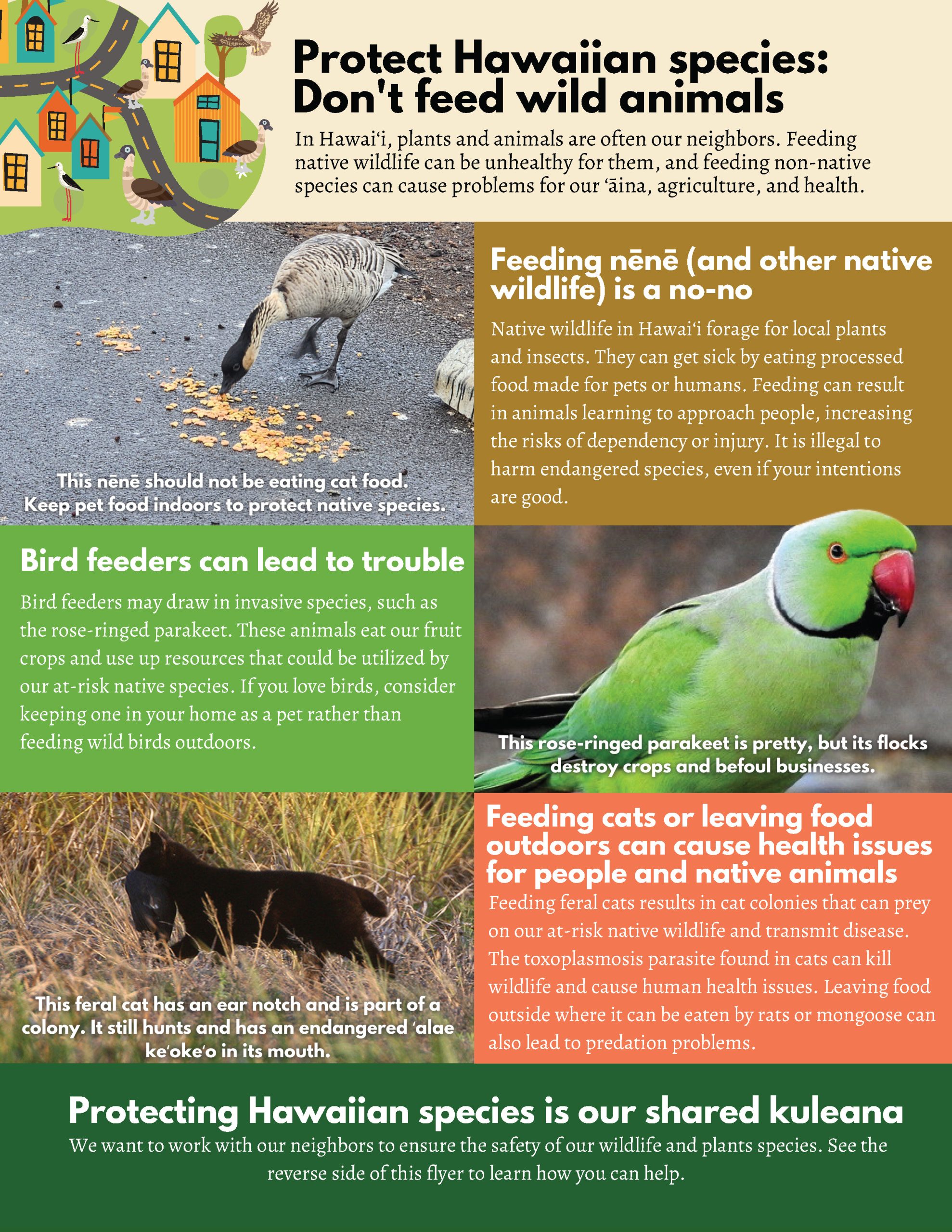
Credit: dlnr.hawaii.gov
Legal Considerations
Feeding wild birds is a joyful activity. It connects us with nature and helps birds. Before you start, consider legal aspects. Understanding laws protects birds and you.
Local Regulations
Each region has different rules about feeding birds. Some places have strict laws. They aim to protect local wildlife and ecosystems. Check your local government's website for details. It is crucial to stay informed.
Some areas restrict feeding during specific seasons. This aims to prevent birds from becoming reliant on human food. Feeding restrictions can also protect birds during migration. Learn about these rules to avoid penalties.
Impact On Wildlife
Feeding birds affects their natural behavior. It can lead to dependency on human-provided food. This can alter migration patterns and breeding habits. Understanding these impacts is important.
Feeding birds can also affect other wildlife. It may attract predators or lead to overcrowding. This can disrupt local ecosystems. Consider the broader impact on wildlife.
Limit feeding to specific times or types of food. This can help minimize negative impacts. Providing natural food sources is beneficial. It supports the birds without altering their habits.
Creating A Bird-friendly Environment
Creating a bird-friendly environment starts with feeding wild birds responsibly. Offer seeds, fruits, and nuts in safe feeders. Clean feeders regularly to prevent disease.
Creating a bird-friendly environment is a rewarding way to support your local wildlife. It not only enriches your surroundings but also provides a safe haven for birds. You might be surprised at how simple changes can attract a variety of species to your backyard. When I first started, I noticed how quickly birds began visiting once I made a few thoughtful adjustments. You can enjoy this experience too, by focusing on key aspects of your garden.
Native Plants
Choosing native plants can greatly enhance your garden's appeal to birds. These plants provide natural food sources like seeds and berries that birds love. Native flora also attracts insects, offering birds a diverse menu right in your backyard. Consider adding plants like sunflowers or berry bushes to create a thriving ecosystem. I found that when I added native plants, the variety of birds visiting my garden increased noticeably. What native plants could you add to your garden to attract more birds?
Water Sources
Water is crucial for birds. It provides them with a place to drink and bathe, which is essential for their health and hygiene. A simple birdbath or a small pond can make a big difference. Ensure the water is clean and regularly refilled to keep birds coming back. If you have space, consider a fountain to keep the water moving, which helps prevent stagnation. Adding a water source was a game-changer in my garden. I saw birds splashing around, enjoying the water, and it was a joy to watch. How can you integrate a water source into your outdoor space? Creating a bird-friendly environment doesn't have to be complicated. With native plants and reliable water sources, you can transform your garden into a bird haven. Are you ready to start your bird-friendly garden today?
Engaging With Birdwatching
Engaging with birdwatching adds a layer of excitement to feeding wild birds. It’s not just about scattering seeds; it’s about connecting with nature in a way that’s both thrilling and educational. Imagine stepping into your backyard and observing a kaleidoscope of colors and behaviors that change with each visit. This is where the real magic happens.
Identifying Species
One of the joys of birdwatching is identifying the different species that visit your feeders. You might start by recognizing common birds like sparrows and robins. But as you become more observant, you'll notice less common visitors like goldfinches or woodpeckers.
Invest in a simple bird guide or use apps like Merlin Bird ID to help you. These tools can enhance your experience by providing information on feather patterns and bird calls. Every new identification is a small victory, adding to your knowledge and enjoyment.
Tracking Habits
Tracking bird habits offers a deeper understanding of their world. You might notice that certain species prefer specific seeds, or that some are more active at dawn. Observing these patterns can help you tailor your feeding strategy.
Keep a journal or use a spreadsheet to note which birds visit your feeders and at what times. This data can help you anticipate visits and ensure you're offering the right food. Have you noticed any changes in behavior with the seasons? You might be surprised at how adaptable birds can be.
By engaging with birdwatching, you’re not just feeding birds; you’re becoming part of their world. This connection transforms a simple act into a rewarding hobby. What discoveries will you make today in your own backyard?
Frequently Asked Questions
Is It Safe To Feed Wild Birds?
Feeding wild birds is generally safe if done correctly. Provide appropriate food like seeds, nuts, and suet. Avoid bread and processed foods, as they can harm birds. Ensure feeding stations are clean to prevent disease. Research the dietary needs of local bird species to support their health.
What Food Is Best For Wild Birds?
Seeds, nuts, and suet are ideal for wild birds. Sunflower seeds attract a variety of species. Peanuts and nyjer seeds are also popular. Avoid bread, as it lacks nutrients. Providing diverse food options can support different bird species and promote a healthy ecosystem in your area.
Can Feeding Birds Attract Unwanted Animals?
Yes, feeding birds can attract unwanted animals like squirrels and rodents. To minimize this, use feeders designed to deter non-bird visitors. Clean up spilled seeds regularly. Place feeders away from areas that may encourage unwanted animals, and consider using squirrel-proof feeders to reduce issues.
How Often Should You Feed Wild Birds?
Feed wild birds consistently, especially during winter and early spring. Refill feeders as needed, ensuring a steady food supply. In colder months, birds rely on feeders more due to scarce natural food. Regular feeding helps birds maintain energy and supports their survival during challenging times.
Conclusion
Feeding wild birds can be a delightful experience. Watching them flutter and chirp brightens any day. It's important to use safe food. Avoid processed options. Fresh seeds, fruits, and grains work best. Keep feeding areas clean to prevent disease. Birds appreciate clean water too.
Consistent care helps their survival. They rely on us during harsh seasons. Enjoy their beauty and grace. It's rewarding for both birds and humans. Sharing your garden space with them connects you to nature. Remember to respect their wild nature.
Happy bird watching!