


Have you ever found yourself gazing at a flock of birds in your backyard, wishing you could do more to support their lively chirping and vibrant presence? You might have heard that peanuts are a great treat for our feathered friends, but is it really safe and beneficial to feed them these crunchy snacks?
Understanding what you can and can't feed birds is crucial, not just for their health, but also for creating a thriving environment where they can thrive and flourish. We’ll explore whether peanuts are a good choice for your local birds, helping you make informed decisions that could transform your garden into a bustling bird paradise.
Dive in to discover the surprising truths about feeding peanuts to birds and how you can enhance your birdwatching experience like never before.

Credit: www.birdsandblooms.com
Benefits Of Feeding Peanuts To Birds
Feeding peanuts to birds offers essential nutrients, promoting healthy feathers and energy. Birds relish the taste, enhancing their natural foraging instincts. Always ensure peanuts are unsalted and fresh to avoid health risks.
Feeding peanuts to birds can be a rewarding experience that benefits both you and your feathered visitors. Offering peanuts is not only about attracting diverse bird species to your backyard but also about supporting their health and vitality. You might find a sense of satisfaction watching birds flock to your feeder, knowing you are playing a role in their well-being. But what exactly makes peanuts a valuable addition to a bird's diet?
Nutritional Value
Peanuts are packed with essential nutrients that are beneficial for birds. They contain high levels of protein, which is crucial for muscle development and repair. Additionally, peanuts provide healthy fats that birds need for energy and overall health. Imagine a cold winter morning when food is scarce; your peanut feeder can be a vital source of nourishment. Peanuts also offer vitamins and minerals, like vitamin E and magnesium, contributing to the birds' immune system and metabolic functions.
Energy Boost
Birds require a significant amount of energy to maintain their high activity levels, especially during the breeding season and migration. Peanuts are an excellent energy source due to their high-caloric content. Think about those long journeys birds undertake during migration. A pit stop at your feeder can make all the difference. By providing peanuts, you offer birds the fuel they need to sustain their long flights and busy days. A variety of birds, from woodpeckers to jays, will appreciate the energy boost peanuts provide. You might notice the liveliness in their behavior after a good peanut snack. Are you ready to make your backyard a thriving hub for these energetic visitors? Engage with your local wildlife and observe the benefits firsthand by adding peanuts to your feeding routine. Your small act of kindness can have a big impact on your local bird community.
Types Of Peanuts Suitable For Birds
Feeding birds can be a delightful activity. Peanuts are a popular choice. But not all peanuts are suitable for birds. Different types offer various benefits. It's important to know which ones are safe and healthy.
Raw Vs. Roasted
Raw peanuts are best for birds. They retain natural oils. These oils provide energy. Roasted peanuts may contain salt. Salt is harmful to birds. Always avoid salted peanuts. Unsalted roasted peanuts are okay occasionally. But raw peanuts are the healthier choice.
Shelled Vs. Unshelled
Unshelled peanuts keep birds busy. Birds enjoy cracking the shells. This mimics their natural behavior. Shelled peanuts are easier to eat. They provide quick energy. Both types have benefits. Offering a mix can be interesting for birds. Make sure peanuts are fresh. Moldy peanuts are dangerous to birds.
Potential Risks And Precautions
Peanuts can be a great source of nutrition for birds, but they pose certain risks. Always offer unsalted peanuts to avoid health issues. Moldy peanuts can harm birds, so ensure they are fresh. Proper storage is crucial to prevent spoilage and protect birds from potential toxins.
Feeding peanuts to birds can be a delightful experience, but it's important to be aware of the potential risks involved. While birds enjoy peanuts, there are some precautions you should take to ensure their safety. Let's explore a few concerns you should keep in mind before offering these treats to your feathered friends.
Aflatoxin Concerns
Aflatoxins are toxic compounds produced by certain molds found in improperly stored peanuts. These toxins can be harmful to birds, causing health issues or even death. Ensure you purchase high-quality peanuts from reputable sources to minimize this risk. Check the packaging for any signs of moisture or mold before feeding. Storing peanuts in a cool, dry place can help prevent aflatoxin formation. Always inspect the peanuts closely and discard any that appear questionable.
Choking Hazards
Whole peanuts can pose a choking hazard, especially for smaller birds. Breaking them into smaller pieces can reduce this risk, making it easier for birds to consume them safely. You might notice how larger birds manage whole peanuts with ease, but it's a different story for their smaller counterparts. Consider offering shelled peanuts or those already broken into smaller bits. This not only helps prevent choking but also makes it easier for birds to eat. It's a simple step that can make a big difference in their feeding experience. Have you ever observed a bird struggling with a whole peanut? It's a reminder of how small changes can enhance their safety. Pay attention to the size and condition of the peanuts you provide, keeping your feathered visitors in mind. By being mindful of these potential risks, you can continue to enjoy the presence of birds in your backyard. Your small efforts can make feeding a safer and more enjoyable activity for both you and the birds.

Credit: birdseedandbinoculars.com
Safe Feeding Practices
Feeding peanuts to birds can be a delightful experience. But it's crucial to follow safe feeding practices. Birds enjoy peanuts, but improper feeding can harm them. Understanding the right approach ensures their health and safety.
Proper Serving Sizes
Birds need small portions of peanuts. Whole peanuts might be too big for tiny beaks. Use chopped or shelled peanuts for smaller birds. Larger birds can handle whole peanuts easily. Offer peanuts in moderation to prevent overeating.
Seasonal Considerations
Feeding practices should change with seasons. In winter, birds need extra energy from peanuts. During warmer months, reduce peanut servings. Excessive fats in summer might lead to health issues. Adjust portions based on the temperature and bird activity.
Attracting Various Bird Species
Bird enthusiasts often wonder about feeding peanuts to birds. Peanuts are safe and nutritious for many species. They attract a variety of birds, including jays and woodpeckers, providing essential fats and proteins. Always ensure peanuts are unsalted and fresh to prevent harm.
Attracting a variety of bird species to your backyard can be a rewarding experience. One simple way to do this is by offering peanuts. Peanuts are a favorite among many birds and can transform your backyard into a lively sanctuary. Not only do they provide essential nutrients, but they also bring an element of fun as you watch different birds come and go.
Birds That Love Peanuts
When you add peanuts to your bird feeder, you'll likely see an increase in visitors. Blue Jays, known for their striking blue feathers and bold personalities, often swoop in for a tasty peanut snack. Woodpeckers, with their rhythmic pecking, also enjoy peanuts, especially when shelled. Titmice and Chickadees are smaller birds that are fond of peanuts too. They often grab a nut and dart away to enjoy it in a safe spot. Watching these little creatures maneuver the peanuts can be quite entertaining.
Enhancing Your Backyard Habitat
Creating a welcoming environment for birds involves more than just offering food. Ensure you provide fresh water, as hydration is essential. A birdbath or small water fountain can attract birds who come to drink or bathe. Consider adding some native plants and trees. They offer natural shelter and a sense of security. Birds are more likely to visit a backyard that feels safe and provides cover from predators. Think about the placement of your feeders. Position them where you can enjoy watching the birds while keeping them safe from potential dangers. Do you have a favorite spot in your garden where you relax? That might be the perfect place to set up a feeder for both you and the birds to enjoy.
Credit: www.perkypet.com
Alternative Bird Treats
When you're considering adding variety to your bird feeding routine, alternative treats can be a delightful choice. Not only do they offer nutritional benefits, but they also attract a wide array of bird species to your backyard. Let's dive into some engaging alternatives that can make your bird-watching experience more fulfilling.
Seeds And Nuts
Seeds and nuts are a fantastic option for birds, providing essential fats and proteins. Have you ever noticed how sunflower seeds seem to disappear the fastest from your feeder? Birds love them! They are not only nutritious but also easy for birds to handle.
Consider adding almonds or walnuts, which are packed with energy. Make sure they are unsalted and broken into smaller pieces to aid digestion. Watching birds work their way through a variety of seeds can be quite entertaining.
Have you tried offering safflower seeds? They're a bit more resistant to squirrels, giving your feathered friends a chance to feast without competition. These seeds can attract cardinals and chickadees, adding color and life to your garden.
Fruits And Berries
Fruits and berries can be a refreshing treat for birds, especially during warmer months. Apples and oranges sliced thinly can be a feast for birds, and their high water content keeps them hydrated.
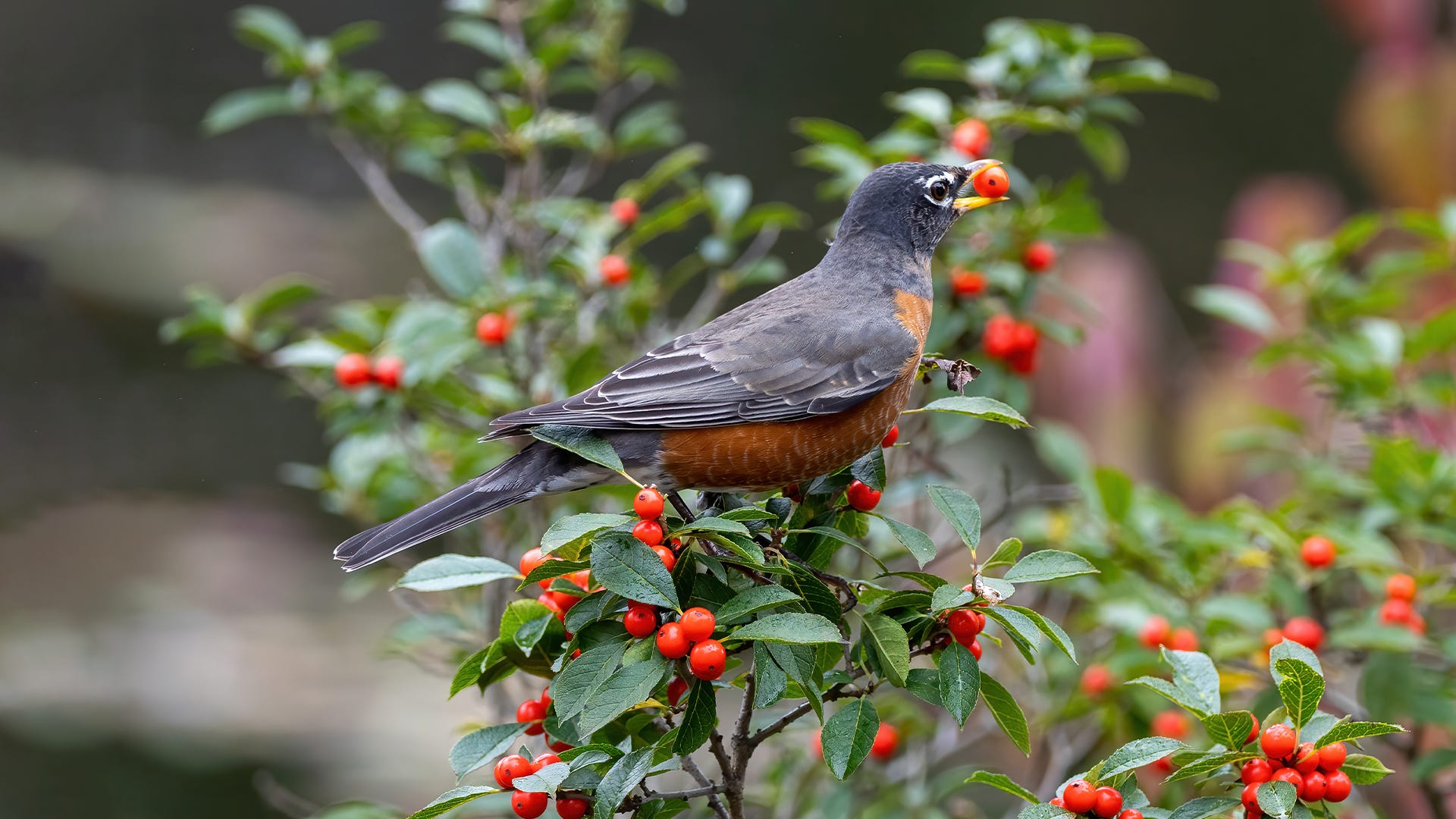
Do you have extra berries from your garden? Sharing some blueberries or raspberries can entice birds like thrushes and orioles. They appreciate the sweet taste and burst of energy from these natural sugars.
Remember, you can also offer dried fruits like raisins or cranberries. Ensure they're free from added sugars and preservatives. Watching birds nibble at these treats can be a joyful sight, adding a lively atmosphere to your outdoor space.
What other treats have you found that work wonders for attracting birds? By experimenting with different offerings, you not only cater to diverse bird preferences but also enrich your own bird-watching experience. So, why not try a few new items and see who comes visiting next?
Frequently Asked Questions
Are Peanuts Safe For All Bird Species?
Peanuts are generally safe for most birds. However, some small species may struggle with whole peanuts. It's crucial to offer unsalted and unflavored peanuts. Crushed or chopped peanuts are ideal for smaller birds. Always ensure peanuts are fresh and free from mold to prevent potential health issues.
How Should I Prepare Peanuts For Birds?
Peanuts for birds should be unsalted and unflavored. Avoid roasted peanuts, as they may contain harmful additives. Offer them whole for larger birds or crushed for smaller species. Freshness is important to prevent mold, which can be toxic to birds.
Always clean feeding areas regularly to avoid contamination.
Can Feeding Peanuts Attract Other Wildlife?
Yes, feeding peanuts can attract other wildlife like squirrels and rodents. To minimize this, use feeders designed specifically for birds. Position them in areas less accessible to other animals. Regularly clean up fallen peanuts to prevent attracting unwanted guests. Monitoring feeding times can also help control wildlife attraction.
What Are The Benefits Of Peanuts For Birds?
Peanuts are high in protein and fat, providing essential energy for birds. They are especially beneficial during colder months. Peanuts support feather growth and overall health. They also attract a variety of bird species to your garden. Offering peanuts can enhance birdwatching opportunities and help sustain local bird populations.
Conclusion
Birds enjoy peanuts as a tasty treat. Peanuts offer protein and energy. Ensure peanuts are unsalted and fresh. Birds can choke on large pieces. Break them into smaller bits. Watch out for moldy peanuts. Mold harms birds. Place peanuts in feeders.
Keep them away from squirrels. Use feeders that suit bird types. Respect birds' dietary needs. Variety in bird food is key. Peanuts are great, but mix with seeds and fruits. Happy birds bring joy. Feeding them safely is rewarding. Remember, peanuts aren't everything.
Balance is essential for a healthy bird diet. Enjoy bird watching responsibly.