


Feeding ducks is a delightful pastime enjoyed by many. You might find yourself wondering, "Can I feed bird seed to ducks?"
It's a common question that pops up, especially when you're at the park with a bag of bird seed in hand. You want to do what's best for the ducks while enjoying the experience. We’ll uncover the surprising truth about feeding bird seed to ducks and why it matters for their health and happiness.
By the end, you'll have the knowledge you need to ensure your feathered friends are well-fed and thriving. So, stick around to learn how you can make a positive impact on the ducks in your local pond.
Bird Seed Basics
Understanding bird seed basics is essential for feeding ducks safely. Bird seeds come in various types, each offering different nutritional benefits. This section explores the common types of bird seed and their nutritional content. Knowing these can help ensure ducks receive a healthy diet.
Types Of Bird Seed
Bird seed comes in many varieties. Black oil sunflower seeds are popular. They have a high-fat content, providing energy. Millet is another common seed. It is small and easy for ducks to eat. Safflower seeds are also used. They have a hard shell but are nutritious. Some mixes include cracked corn. It is a good source of carbohydrates.
Nutritional Content
Bird seeds offer various nutrients. Sunflower seeds are rich in fats and proteins. These nutrients support energy and growth. Millet provides carbohydrates and some protein. It helps with energy levels. Safflower seeds contain fats and protein. They are beneficial for maintaining healthy feathers. Cracked corn is high in carbohydrates. It provides quick energy for active ducks.
Duck Dietary Needs
Understanding duck dietary needs is crucial if you're considering feeding them bird seed. Ducks have specific nutritional requirements that differ from other birds. You may wonder if bird seed can meet these needs or if it could impact their health negatively. Let's dive into the natural diet of ducks and the essential nutrients they require.
Natural Diet Of Ducks
Ducks are omnivores. They thrive on a diet that includes plants, insects, and small fish. In the wild, you might spot them nibbling on aquatic vegetation or snatching up worms. This varied diet helps them get a mix of nutrients necessary for their health.
Imagine watching ducks at a local pond. Have you noticed them dabbling in the water, picking at algae and small bugs? This behavior highlights their natural dietary habits. Bird seed, while convenient, doesn't mimic this natural diet and might lack certain nutrients.
Essential Nutrients
Ducks need a balanced intake of proteins, carbohydrates, vitamins, and minerals. Proteins support their growth and feather health. Carbohydrates provide energy for their daily activities. Vitamins and minerals ensure strong bones and a robust immune system.
Consider the importance of calcium for ducks. It’s vital for eggshell production in females. Bird seed often falls short in providing adequate calcium. You might need to supplement their diet with crushed eggshells or oyster shells.
Have you ever fed ducks and wondered if you’re giving them the right nutrients? While bird seed can be a treat, it shouldn’t be their main food source. How can you ensure ducks get the nutrients they need for a healthy life? Understanding their natural diet and essential nutrients is the first step.
Feeding Bird Seed To Ducks
Ducks are a common sight in many parks and lakes. People often feed them as a fun activity. Many wonder if bird seed is a good choice for ducks. Feeding bird seed to ducks can be a safe option if done right. Understanding the benefits and risks is key.
Benefits Of Bird Seed For Ducks
Bird seed offers a variety of nutrients. It contains seeds like sunflower and millet. These seeds provide essential fats and proteins. Ducks need these for energy and growth. Bird seed can be a good supplement to their natural diet.
Bird seed also attracts ducks. It encourages them to visit certain areas. This can be useful for observing them closely. It may also help in conservation efforts.
Potential Risks
Feeding ducks too much bird seed can be harmful. It may lead to overfeeding. Overfed ducks may become unhealthy. They could gain excess weight. This affects their ability to fly and escape predators.
Some seeds contain additives. These can be harmful to ducks. Always check the ingredient list. Ensure no harmful chemicals are present.
Bird seed left on the ground can attract pests. Rodents and other animals may invade the area. This can create an imbalance in the ecosystem.
Credit: www.quacksnacks.com
Alternatives To Bird Seed
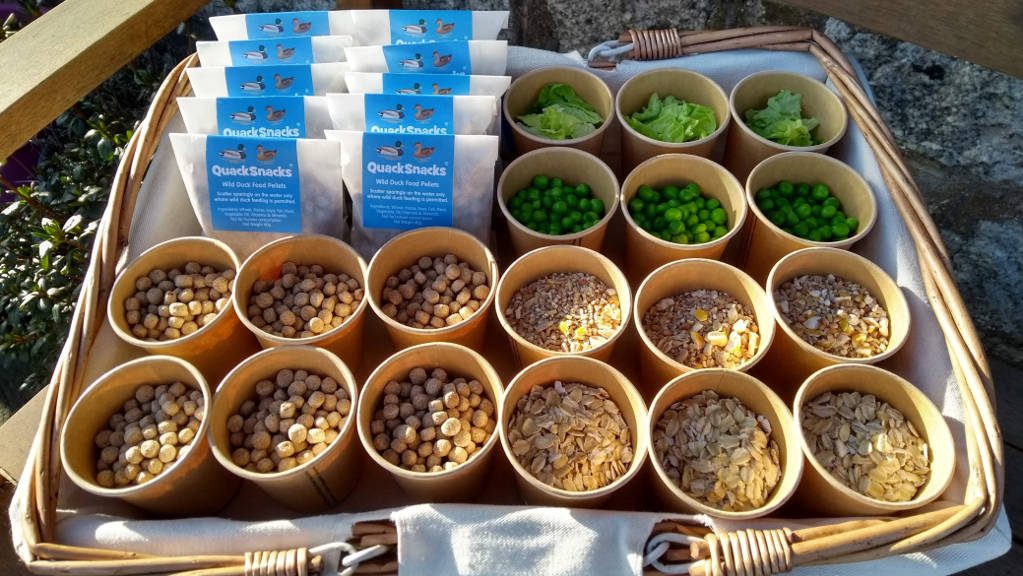
Feeding ducks bird seed can be unhealthy. Bread crumbs, corn, or peas are better options. These alternatives provide essential nutrients and are safe for ducks.
Feeding ducks can be a delightful experience, but not all foods are suitable for them. While bird seed is a popular choice for feeding wild birds, it's not ideal for ducks. Ducks require specific nutrients to thrive, and bird seed may not provide the balanced diet they need. So, what can you feed ducks instead? Let's explore some alternatives that are both nutritious and safe.
Duck-friendly Foods
Consider offering ducks foods that closely mimic their natural diet. Frozen peas are an excellent choice; they are easy to digest and provide essential nutrients. You can also try chopped lettuce or other leafy greens, which are rich in vitamins. Corn kernels are another option; they are tasty and loved by ducks. Remember the time you spent watching ducks eagerly munching on corn? Their excitement is your reward for choosing the right food.
Safe Treats
Treats can be an occasional delight for ducks. Keep it simple and healthy with things like oats or rice. These grains are safe and can make a hearty snack. Grapes cut in half can also be a sweet treat that ducks enjoy. Just be sure to remove seeds to avoid any choking hazards. Have you ever seen ducks gobble up grapes? Their enthusiasm reminds us how little surprises can bring joy. Avoid feeding ducks bread, as it can lead to health issues and pollution. Think about the impact your feeding choices have on their health and environment. Wouldn't it be wonderful to see ducks thriving because of your thoughtful food choices?
Feeding Best Practices
Feeding ducks is a delightful experience. Yet, it's crucial to know the best practices. Ducks require specific nutrients for health. Providing the right food is essential. Bird seed can be an option if fed correctly. Let's explore the best practices for feeding ducks.
Portion Control
Start with small portions. This helps prevent overfeeding. Ducks have small stomachs. Too much food can cause health issues. Watch how much they eat. Adjust portions based on their needs. Avoid leaving excess food in the water. It can attract pests and spoil.
Feeding Environment
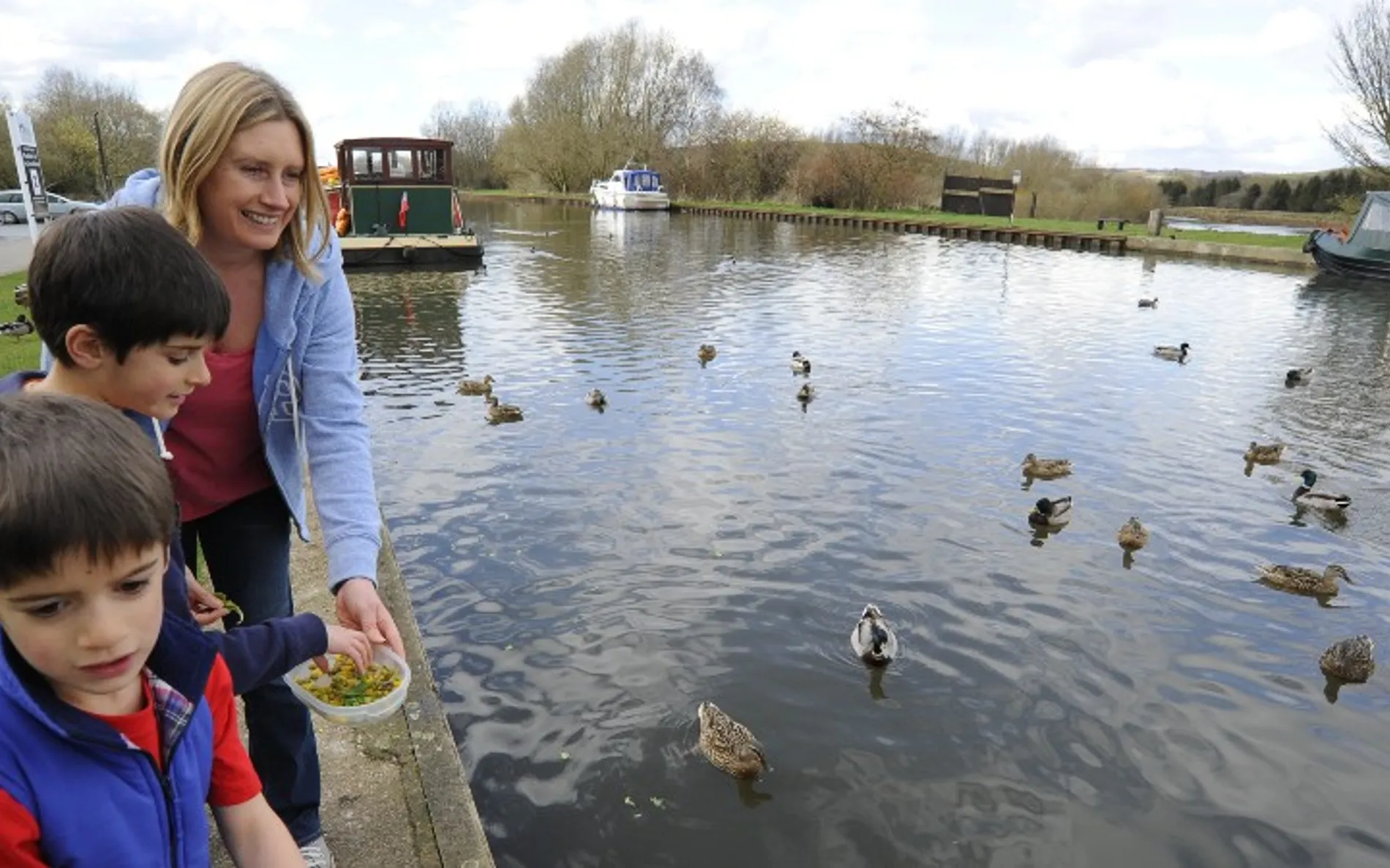
Choose a clean, safe area for feeding. Avoid crowded places. Ducks need space to move freely. Ensure the ground is dry and clean. Wet, muddy areas can be harmful. Pick a calm spot near water. Ducks feel safe near water. Keep the environment natural and peaceful.

Credit: www.reddit.com
Impact On Duck Habitats
Offering bird seed to ducks might impact their natural habitat. Duck health and ecosystem balance could be disturbed. Seeds can attract predators, altering habitat dynamics and disrupting native food sources.
Feeding ducks might seem like a fun activity, but have you ever considered the impact on their habitats? While bird seed is often used to attract birds to gardens, its effect on ducks and their environments is complex and worth understanding. Ducks have specific dietary needs, and feeding them bird seed can lead to unintended consequences on their natural habitats.
Environmental Considerations
The environment around duck habitats is delicate. Bird seed, not typically part of a duck’s diet, can alter the natural balance of their ecosystem. When ducks rely on human-provided food, they might stop foraging for their native diet. This shift can affect plant life, as ducks play a role in seed dispersal and pest control. Excess bird seed can also lead to waste accumulation. This waste can attract rodents and other pests, disrupting the local environment further. Have you noticed ducks gathering in areas they usually wouldn’t? It’s often because they are drawn to easy food sources, which can lead to overcrowding and stress on local habitats.
Wildlife Balance
Feeding ducks bird seed can upset the wildlife balance. Ducks are part of a complex food web, and their natural feeding habits support this balance. By introducing bird seed, you might inadvertently push other species out. Some birds or animals may not compete well with ducks for these seeds, leading to a shift in local wildlife dynamics. Consider the ripple effect: when ducks’ dietary habits change, so do predator-prey relationships. This can impact everything from insect populations to larger mammals. Are you inadvertently changing the behavior of wildlife around you? It’s a question worth pondering as you enjoy nature’s wonders. Ultimately, understanding the impact of feeding ducks bird seed helps maintain the harmony of their habitats. Your actions can either support or disrupt this delicate balance. Make informed choices that respect the wildlife and preserve their natural environments.
Common Myths
When feeding ducks, several myths can mislead well-meaning individuals. Many people are unaware of the effects of certain foods on duck health. Let's explore these common myths and understand what's best for ducks.
Misconceptions About Feeding Ducks
One common misconception is that ducks can eat bird seed like other birds. While bird seed is nutritious for many birds, ducks require different nutrients. Bird seed lacks essential proteins and vitamins necessary for ducks. Feeding ducks bird seed can lead to malnutrition and health issues.
Another myth is that bread is safe for ducks. Bread is often given to ducks by visitors at parks. It fills their stomach but offers little nutrition. Bread can cause weight gain and poor health in ducks.
Debunking Popular Beliefs
Some believe ducks can thrive on human food scraps. This is not true. Human food is often too processed and lacks nutrients for ducks. Feeding ducks leftovers can upset their digestive systems.
Another popular belief is that all ducks eat the same diet. Ducks have diverse dietary needs. Some ducks eat insects, while others prefer plants. It's important to research what specific ducks in your area need.
Feeding ducks corn is sometimes considered harmless. Corn lacks the essential nutrients ducks need. It can make ducks overweight and unhealthy. Ducks benefit more from natural diets like grains and aquatic plants.
Credit: canalrivertrust.org.uk
Frequently Asked Questions
Can Ducks Eat Bird Seed Safely?
Yes, ducks can eat bird seed safely in moderation. Bird seed is not harmful, but it's not the best nutritional option. Ducks require a balanced diet with more nutrients than bird seed provides. It's better to feed them grains, vegetables, or specially formulated duck feed.
What Seeds Are Best For Ducks?
The best seeds for ducks are sunflower seeds and cracked corn. These seeds provide some essential nutrients. However, it's important to feed them in moderation. Ducks need a varied diet with grains and greens for balanced nutrition. Always ensure the seeds are unsalted and fresh.
Why Shouldn't Ducks Eat Only Bird Seed?
Bird seed lacks essential nutrients needed for ducks. It doesn't provide adequate vitamins and minerals. Feeding only bird seed can lead to malnutrition over time. Ducks need a balanced diet of grains, vegetables, and duck-specific feed. This ensures they get all necessary nutrients for good health.
How Often Can Ducks Have Bird Seed?
Ducks can have bird seed occasionally as a treat. It should not be their main food source. Offering bird seed once or twice a week is sufficient. Always ensure it’s part of a varied diet. Balanced nutrition is essential for their health and wellbeing.
Conclusion
Feeding ducks with bird seed requires careful thought. Not all seeds suit their diet. Choose seeds that are safe and nutritious. Ducks thrive on grains like oats and cracked corn. Avoid seeds with additives or spices. Always ensure access to fresh water.
This helps them digest food better. Feeding ducks can be a delightful experience. Just remember, their health depends on what they eat. Make informed choices. Enjoy watching them happily swim and feed. Ducks are lovely creatures deserving of our care.
Keep their well-being in mind.