


Are you a bird enthusiast wondering if it's safe to share your snack stash with your feathered friends? You're not alone.
Many bird lovers like you often ponder whether salted peanuts, a common human treat, are suitable for birds. You might assume that a little salt can't hurt, but the truth could surprise you. Understanding what goes into a bird's diet is crucial for their health and happiness.
You'll discover the real impact of feeding birds salted peanuts and learn how to keep your backyard buddies chirping with joy. Stick around to find out how you can make informed choices that benefit both you and your avian visitors.
Credit: www.perkypet.com
Impact Of Salt On Bird Health
Feeding birds salted peanuts can harm their health due to excess sodium. Salt affects bird kidneys and can lead to dehydration. Offering unsalted peanuts is a safer choice to maintain their well-being.
Feeding birds can be a delightful hobby, offering a close connection with nature. However, understanding the dietary needs of birds is crucial to their health. One common question is whether you can feed birds salted peanuts. The answer is a cautious no, and the impact of salt on bird health is a significant reason why.
Effects Of Excessive Salt
Birds have a much lower tolerance for salt than humans. Their small bodies and unique physiology mean that even a tiny amount of salt can be harmful. When birds consume too much salt, it can lead to dehydration as their bodies struggle to process and expel the excess sodium. An experiment with my backyard bird feeder taught me this firsthand. I noticed fewer birds visiting and the ones that did seemed lethargic. A quick search revealed that salted peanuts were the culprit, highlighting how critical it is to provide the right kind of food.
Symptoms Of Salt Poisoning
Salt poisoning in birds can manifest in several alarming ways. Common symptoms include increased thirst and urination, as their bodies attempt to flush out the excess salt. Birds may also appear disoriented, weak, or even have difficulty breathing. If you’ve ever observed a bird acting strangely after consuming something salty, it's a sign to remove the offending food immediately. Prompt action can prevent more severe health issues. So, what can you do to keep your feathered friends safe? Stick to unsalted peanuts and other bird-friendly foods. This small change ensures that the birds in your garden remain healthy and vibrant, offering you countless joyful moments. Would you risk your bird's health for the sake of convenience? By choosing the right food, you contribute positively to the well-being of these beautiful creatures.
Credit: www.perkypet.com
Nutritional Needs Of Birds
Feeding birds salted peanuts can harm their health. Salt is dangerous for birds, causing dehydration and kidney issues. Opt for unsalted peanuts to ensure a safe and nutritious treat for your feathered friends.
Birds are fascinating creatures with unique dietary requirements. Their nutritional needs are specific and essential for their health. Salted peanuts might not be the best option for them. Understanding their diet helps in providing the right food.
Importance Of A Balanced Diet
Birds thrive on a balanced diet. It supports their growth, energy, and reproduction. A balanced diet includes proteins, fats, vitamins, and minerals. Salted peanuts contain high sodium which is harmful. Excessive salt can lead to dehydration and kidney issues in birds.
Natural Sources Of Nutrition
Birds naturally find nutrition in seeds, fruits, and insects. These food sources provide essential nutrients. They offer vitamins and proteins needed for strength. Fresh fruits and seeds are ideal for their daily intake. They mimic what birds find in their natural habitat. `
Peanuts As Bird Food
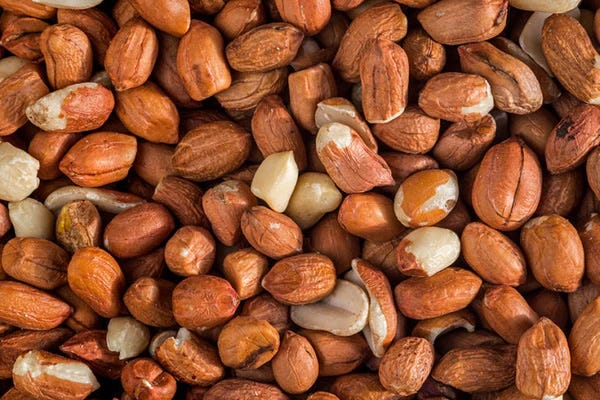
Feeding birds salted peanuts can harm their health. Salt affects their small bodies negatively. Opt for unsalted, raw peanuts to ensure safety and nutrition. Birds enjoy them and benefit from the healthy fats and protein.
Peanuts are a popular choice for bird enthusiasts. They're nutritious and energy-rich. Birds find them irresistible. Many people use peanuts to attract birds to their gardens. But choosing the right type is crucial. Unsalted peanuts offer many benefits. Salted peanuts carry risks. Understanding these differences helps keep birds healthy.
Benefits Of Unsalted Peanuts
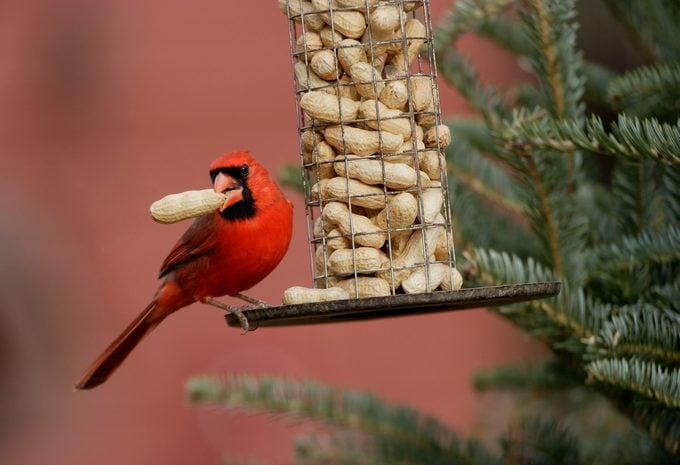
Unsalted peanuts are rich in protein and fats. They provide essential nutrients. Birds need these for energy. Unsalted peanuts are safe for most birds. They aid in feather growth and maintenance. They also support overall health. Many bird species enjoy them. Blue jays, woodpeckers, and titmice are fans.
Risks Associated With Salted Peanuts
Salted peanuts pose health risks to birds. Birds can't process salt like humans. High salt intake leads to dehydration. It can cause kidney damage. Birds might eat too much salt without realizing. This can lead to serious health issues. Always choose unsalted peanuts for feeding birds. `
Credit: www.birdsandblooms.com
Alternatives To Salted Peanuts
Feeding birds salted peanuts can harm them due to the high sodium content. Unsalted varieties are safer and healthier. Offering seeds or fresh fruits ensures a nutritious snack for backyard visitors.
Feeding birds in your backyard can be a delightful experience, but it's essential to ensure you're offering them safe and healthy snacks. Salted peanuts might seem like a tasty treat, but the high sodium content can be harmful to birds. Instead, consider these alternatives that provide nutrition and enjoyment without risking their health.
Healthy Snack Options
Opt for unsalted peanuts, which are a bird-friendly choice. Birds love them, and they provide essential fats and protein. You can also offer sunflower seeds. They're a favorite for many bird species and are packed with nutrients. Another option is dried fruits like raisins or cranberries. Ensure they're unsweetened to avoid health issues. If you've ever watched a bird nibble on an apple slice, you know how much they enjoy it. Fresh fruit slices are both safe and nutritious.
Safe Feeding Practices
Always ensure the food you provide is fresh. Spoiled food can make birds sick. Consider the size of the food. Birds can choke on large pieces, so it's best to break them down. Regularly clean your bird feeders. This prevents the spread of disease and keeps the birds coming back. Think about the placement of your feeders. Are they in a safe, accessible spot for birds but out of reach of predators? Have you ever wondered if you could be doing more to protect the birds? Reflect on your feeding habits and make adjustments as needed. Remember, feeding birds responsibly not only benefits them but enriches your interactions with nature.
Tips For Bird Feeding
Feeding birds salted peanuts can harm their health. Salt isn't good for birds, so offer unsalted peanuts instead. Always ensure they are fresh and free from mold.
Feeding birds can be a delightful way to connect with nature and bring your garden to life. However, it's crucial to provide them with the right food to ensure their health and well-being. Many people wonder about feeding birds salted peanuts. While peanuts are a great source of protein and energy, the salt content can be harmful to birds. This guide will provide practical tips on bird feeding, focusing on creating a safe environment and monitoring their health.
Creating A Safe Feeding Environment
To start, consider the location where you place the bird feeders. Ensure they are in a safe area away from predators like cats. Elevate the feeders if necessary. Use bird feeders that are easy to clean. Hygiene is key to preventing the spread of diseases among birds. Keep the feeding area tidy. Regularly clean up uneaten food and droppings. This discourages pests and keeps the area inviting for your feathered friends.
Monitoring Bird Health
Observe the birds visiting your feeder. Do they look healthy and active? A sudden drop in visits might indicate an issue. Pay attention to their feathers and eyes. Bright, shiny feathers and clear eyes are signs of healthy birds. Check for any unusual behavior. If a bird seems lethargic or sick, it might be time to review what you are feeding them. Reflect on your feeding choices. Are you providing a variety of seeds and nuts, or just one type? A diverse diet is essential for their health. Have you considered the impact of salt in their diet? Salted peanuts might be tempting to offer, but they can lead to dehydration and other health issues for birds. Always opt for unsalted versions instead. Engage with fellow bird enthusiasts. Exchange tips and experiences. They might have encountered similar challenges and can offer helpful insights. Are you ready to create a safe haven for the birds in your garden? Implement these tips and enjoy the vibrant birdlife you attract!
Frequently Asked Questions
Are Salted Peanuts Safe For Birds?
Salted peanuts are not safe for birds. The high salt content can be harmful to their health. Birds have a low tolerance for salt, which can lead to dehydration and kidney damage. It's best to offer unsalted peanuts to ensure their safety and well-being.
What Happens If Birds Eat Salted Peanuts?
If birds eat salted peanuts, they may experience health issues. High salt intake can cause dehydration and kidney damage. Birds are sensitive to sodium, and excessive amounts can be toxic. It's crucial to provide unsalted peanuts to avoid these potential health risks and ensure the birds' safety.
Why Should Birds Avoid Salt?
Birds should avoid salt because they can't process it effectively. High salt intake can lead to dehydration and kidney problems. Birds lack the ability to excrete excess salt, making it toxic in large amounts. Offering salt-free foods ensures their health and safety.
Can Unsalted Peanuts Be Fed To Birds?
Yes, unsalted peanuts are safe for birds. They provide essential nutrients and energy without harmful salt content. Ensure that peanuts are fresh and free from mold. Moldy peanuts can be toxic to birds. Offering unsalted peanuts supports their health and dietary needs.
Conclusion
Feeding birds salted peanuts can harm their health. Salt affects their kidneys. It can lead to dehydration. Birds need fresh water and healthy food. Unsalted peanuts are a safer option. They provide protein without harmful salt. Balanced diets help birds thrive.
Observing birds is enjoyable. Providing safe food ensures their well-being. Always choose natural, unsalted options for bird snacks. Keep their habitats safe and clean. Bird watching is a peaceful hobby. Protecting their health is important. Make smart choices for our feathered friends.
They rely on us for care. Let's keep them healthy and happy.