


Imagine waking up to the delightful chorus of chirping birds right in your backyard. It's a simple joy that can transform your mornings and connect you with nature.
But to enjoy this experience, you need to know where to put your bird feeder in your yard. Place it right, and you'll attract a vibrant array of feathered friends; place it wrong, and you might miss out on the beauty they bring.
Are you ready to discover the secrets to creating a bird-friendly haven in your backyard? Let's explore the best spots to hang your bird feeder and turn your yard into a bustling avian paradise. Your mornings will never be the same again!
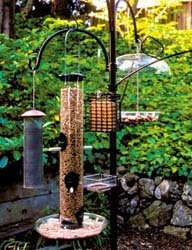
Credit: ottawa.wbu.com
Ideal Locations For Bird Feeders
Choose a spot near trees or shrubs, offering birds shelter and safety. Ensure the feeder is visible from your window for easy bird watching. Avoid placing it near busy areas to minimize disturbances.
Finding the perfect spot for your bird feeder can significantly affect how many feathered visitors you attract. It's not just about hanging it up anywhere; the location you choose can create a safe and welcoming environment for birds. Think about where you spend the most time in your yard and where the birds will feel secure.
Near Trees And Shrubs
Placing your bird feeder near trees and shrubs offers birds a sense of security. Birds often use these natural structures for quick escapes from predators. When I set up my feeder near a lilac bush, I noticed an increase in bird visits within just a few days. Trees and shrubs provide shelter from harsh weather. They also offer convenient perching spots for birds to rest and watch for danger. Consider the types of trees or shrubs you have, as some might attract specific bird species.
Close To Water Sources
Birds love having a nearby water source to drink and bathe. If you have a birdbath or a small pond in your yard, placing your feeder nearby can make it more enticing. One summer, I noticed that placing the feeder near my garden fountain increased bird activity significantly. Water sources can make your yard a one-stop shop for birds. It’s like setting up a mini bird oasis. Ensure the water is clean and refreshed regularly to keep the birds coming back.
Accessible Viewing Areas
Watching birds is a joyful activity, so place your feeder where you can enjoy the view. Consider areas visible from your favorite window or patio. I placed mine near the living room window, and it turned birdwatching into a delightful morning routine. Easy viewing also helps you monitor the feeder's condition. You’ll be able to notice when it needs refilling or cleaning. Think about your daily habits and choose a spot that enhances your enjoyment of birdwatching. Where do you spend most of your time in the yard? Choosing the right spot can transform your bird-feeding experience from good to great. So, where will you hang your feeder?
Safety Considerations
Choosing the right spot for your bird feeder is crucial for the safety of the birds you wish to attract. While the location can affect how many birds visit, it's also important to consider how safe the spot is for them. You don't want your feeder to become a target for predators or pose a risk to the birds in other ways. Let's dive into some key safety considerations to ensure your feathered friends can enjoy their meal safely.
Protection From Predators
Predators like cats and squirrels are always on the lookout for an easy meal. Make sure your feeder is elevated and away from places where cats can lurk. Consider placing it at least ten feet away from any bushes or trees where predators can hide. A simple tip is to use a baffle on the feeder pole to deter climbing animals. I once learned the hard way when I placed a feeder too close to a tree, only to find a cunning squirrel snacking away. A baffle changed everything.
Safe Distance From Windows
Birds often collide with windows, mistaking reflections for open sky. Position your feeder either very close to the window, less than three feet, or further away, at least ten feet. This prevents them from gathering speed before hitting the glass. Have you ever watched a bird recover from a window strike? It's heart-wrenching. Window decals or screens can minimize collisions, allowing birds to feed safely and you to watch them without worry.
Weather Protection
Birds need shelter from harsh weather when feeding. Position your feeder in a spot that’s shielded from strong winds, heavy rain, or scorching sun. A roof or awning can provide necessary protection. Have you noticed how birds flock to feeders during a storm? They need food more than ever, but without adequate cover, they may struggle. Consider the orientation—south-facing feeders can offer warmth in winter, while shade is essential in summer.
By addressing these safety factors, you’re not just providing food; you’re offering a safe haven. What changes can you make to your bird feeder setup to ensure it’s as safe as possible? Your backyard could become the perfect refuge for local wildlife.
Enhancing Bird Attraction
Placing a bird feeder in a quiet spot attracts more birds to your yard. Choose areas near trees or shrubs for safety. Keep feeders away from noisy areas to ensure birds feel secure while feeding.
Enhancing bird attraction in your yard can transform your outdoor space into a vibrant hub of avian activity. Watching colorful birds flutter about can bring immense joy and tranquility. The key to drawing these feathered friends lies in strategic placement and thoughtful selection of bird feeders. Let's explore how you can enhance bird attraction in your garden.
Choosing The Right Feed
Selecting the correct type of feed is crucial for attracting different bird species. If you want to see a variety of birds, mix seeds like sunflower, millet, and nyjer. Each type caters to specific birds; for example, cardinals love sunflower seeds, while goldfinches are drawn to nyjer seeds. Is there a specific bird you hope to attract? Tailor the feed to their preferences. The more diverse your offerings, the richer your birdwatching experience will be.
Providing Shelter
Birds need a sense of safety when they visit your feeders. Placing feeders near trees or shrubs provides natural cover and protection from predators. I once noticed a significant increase in visits when I moved my feeder closer to a dense bush. Consider the feeder's height as well. Elevated feeders can deter ground predators, making birds feel more secure. Ensuring birds have a safe space will encourage them to visit more frequently.
Using Multiple Feeders
Utilizing multiple feeders can reduce competition and attract various species. Different birds have unique feeding habits; some prefer hanging feeders, while others favor ground-level ones. By accommodating these differences, you create a more inviting environment. You might be surprised at the diversity of birds that appear when you offer multiple feeding stations. Try experimenting with feeder types and locations to see which combinations yield the best results.
Maintaining Your Bird Feeder
Maintaining your bird feeder is crucial to ensure that your feathered visitors continue to flock to your yard. It's not just about filling it with seeds; it's about making sure it's clean, functional, and stocked. Think of it as a small commitment to nature that brings daily rewards. You might be wondering how often you should clean it or check the feed levels. Here's a breakdown to help you keep your feeder in top condition.
Regular Cleaning
Bird feeders can become hotspots for bacteria and mold. Regular cleaning prevents these from harming the birds. Use a mild soap and warm water to scrub the feeder every two weeks. If you've ever had a sick bird visit, you know how heartbreaking it can be. A clean feeder keeps them safe and healthy.
After washing, rinse thoroughly to remove soap residue. Dry the feeder completely before refilling. Have you noticed a decrease in bird visitors? It might be due to an unclean feeder, so keep it spick and span.
Monitoring Feed Levels
Birds are creatures of habit. Consistency in feed levels ensures they keep coming back. Check your feeder at least once a week to see if it's running low. Imagine arriving at your favorite restaurant only to find it's closed. Birds feel the same if their food source is empty.
If you notice frequent visits, consider refilling more often. Adjust the quantity based on bird activity in your yard. Do you have a spike in bird visits during certain seasons? Increase the feed amount accordingly.
Checking For Wear And Tear
Bird feeders are subject to weather changes and regular use. Inspect them monthly for signs of damage. Look for rust, cracks, or loose parts. Have you ever had a feeder fall apart mid-season? Regular checks prevent this inconvenience.
Tighten screws and replace broken parts to keep the feeder sturdy. A well-maintained feeder can last for years, saving you from frequent replacements. Is your feeder positioned where it faces harsh weather? Consider moving it to a more sheltered spot.
Keeping your bird feeder in prime condition is a rewarding endeavor. It invites vibrant birds into your life and creates a lively atmosphere in your yard. What steps will you take today to ensure your feathered friends have a delightful dining experience?
Common Mistakes To Avoid
Placing bird feeders requires some planning for the best results. Many people make common mistakes that can reduce the effectiveness of a feeder. Understanding these errors can help attract more birds to your yard.
Overcrowding Feeders
Many feeders in one spot can deter birds. Birds need space to eat comfortably. Overcrowding can lead to stress among birds. This can also spread disease more easily. Give each feeder its own space.
Ignoring Seasonal Changes
Seasons affect bird feeding habits. Different species visit during different times. Adjust feeders according to the season. Winter needs more high-energy food. Spring attracts migratory birds. Change food types to match the season.
Neglecting Feeder Placement
Placement matters for bird safety and feeder success. Place feeders away from predators. Near trees or shrubs is ideal. They offer birds a quick escape route. Avoid putting feeders too close to windows. This reduces the risk of collisions.

Credit: birdseedandbinoculars.com
Tips For Maximizing Bird Visits
Placing a bird feeder in your yard can attract numerous birds. To maximize bird visits, consider strategic placement, seasonal adjustments, and creating a bird-friendly environment. Each aspect plays a crucial role in enticing more birds to your feeder.
Strategic Placement
Choose a spot visible to birds from afar. Avoid places where predators can hide easily. Keep the feeder away from busy areas. Birds prefer quiet and calm surroundings. Position the feeder near trees or shrubs. This provides a safe retreat for birds.
Seasonal Adjustments
Birds migrate and change habitats with the seasons. Adjust feeder location based on seasonal bird activity. In winter, place feeders closer to the house for shelter. During spring, move feeders near blooming flowers. This enhances the attraction to your yard.
Creating A Bird-friendly Environment
Provide fresh water sources near the feeder. Bird baths are excellent for attracting birds. Plant native shrubs and trees to offer natural food and shelter. Avoid using harmful chemicals in your garden. Birds thrive in toxin-free environments. Ensure the feeder is clean and filled regularly. Birds appreciate well-maintained feeding spots.
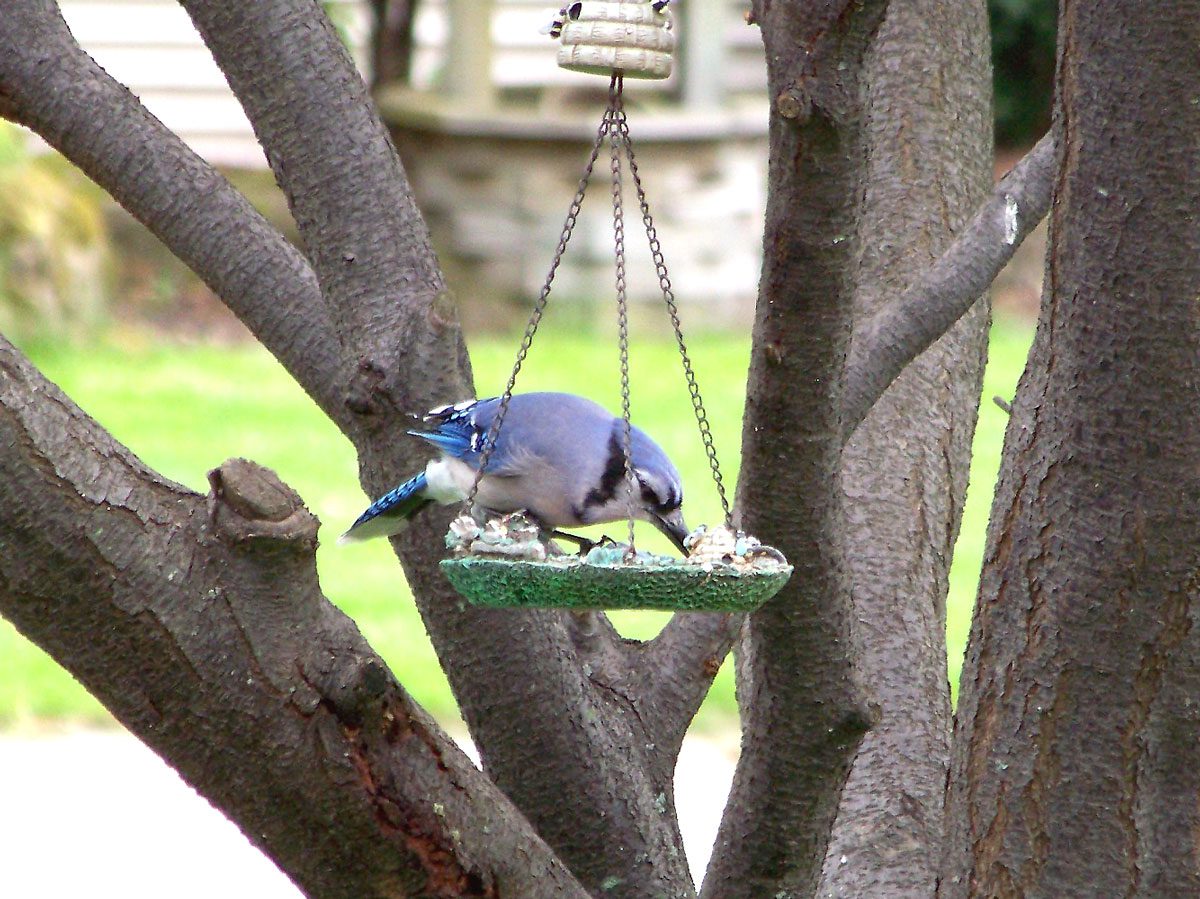
Credit: www.allaboutbirds.org
Frequently Asked Questions
Where Should I Place A Bird Feeder In My Yard?
Place your bird feeder in a quiet, sheltered area with some natural cover. Ensure it's visible but safe from predators. Avoid placing it too close to windows to prevent bird collisions. Ideally, choose a spot that's convenient for you to refill and clean the feeder regularly.
How High Should A Bird Feeder Be?
Hang your bird feeder about 5 to 6 feet above the ground. This height deters common ground predators like cats. It also allows birds to feed comfortably. Ensure it's reachable for refilling and cleaning while maintaining a safe distance from nearby structures.
Can Bird Feeders Be Placed Near Windows?
Bird feeders can be placed near windows if precautions are taken. Use window decals or screens to prevent bird collisions. Feeders should be at least 3 feet from windows to minimize impact. Alternatively, placing them very close (within 1 foot) can reduce the risk of fatal collisions.
Is It Safe To Hang A Bird Feeder On A Tree?
Yes, hanging a bird feeder on a tree can be safe. Ensure it's secured properly to withstand wind and movement. Position it away from dense branches to allow easy access for birds. Be mindful of potential predators that might use the tree to reach the feeder.
Conclusion
Placing a bird feeder can enhance your yard's charm. Birds bring joy and life. Choose a spot that's safe and accessible. Consider shade and shelter for comfort. Avoid areas with too much wind or rain. Keep feeders clean to attract healthy birds.
Nearby trees offer protection. A good view allows you to enjoy watching. Regularly check for pests or predators. Invite nature into your space. Happy bird-watching!