


Are you an enthusiastic bird watcher or just someone who loves feeding birds in your backyard? You might be wondering, "Can I feed birds peanuts?"
This question is more common than you think, and it's essential to get the answer right for the well-being of our feathered friends. Imagine the joy of seeing vibrant birds flocking to your garden, chirping happily as they peck at the treats you've provided.
But before you toss those peanuts, there's a lot to consider. Are they safe? Do birds love them as much as we do? Dive into this article to uncover the truth about feeding birds peanuts, and ensure you're giving them the right kind of snack. Your feathered visitors will thank you for it!
Benefits Of Peanuts For Birds
Birds love peanuts, which provide essential nutrients like protein and healthy fats. These tasty snacks support energy levels and feather health. Whole or chopped, they attract a variety of bird species, making your garden a lively sanctuary.
Feeding birds in your backyard can be a delightful hobby. One of the best treats you can offer them is peanuts. These little powerhouses are not just tasty; they offer numerous benefits to our feathered friends. Let's explore why peanuts are a great addition to your bird-feeding routine.
Rich Source Of Energy
Peanuts are packed with fats and proteins, which provide birds with much-needed energy, especially during colder months. Imagine the tiny heart of a bird beating fast, needing that extra boost to stay warm and active. When you offer peanuts, you’re helping them maintain their energy levels and survive harsh conditions.
Nutrient-dense Snack
Peanuts aren't just about calories; they are full of essential nutrients like vitamins and minerals. Birds benefit from the niacin, magnesium, and vitamin E found in these nuts. Have you ever noticed how vibrant and lively birds seem after munching on nutritious snacks? That’s the power of peanuts at work.
Encourages Natural Foraging
Placing peanuts in your bird feeder encourages birds to forage, mimicking their natural behavior. This activity helps them stay sharp and engaged. Remember watching birds peck and work their way to the treats you left for them? That’s them honing their skills, all thanks to your thoughtful feeding.
Supports Different Bird Species
A variety of bird species love peanuts, from woodpeckers to jays. By adding peanuts to your feeder, you can attract and support a diverse range of birds. Have you noticed new bird visitors since you started offering peanuts? This diversity creates a more vibrant and lively backyard environment.
Easy To Serve
Peanuts are incredibly easy to add to your bird-feeding setup. Whether shelled or unshelled, whole or crushed, they can be served in various ways to suit different bird preferences. Have you tried offering them in different forms and noticed which birds prefer which type? It’s simple experimentation that yields quick results. So, are you ready to make your backyard a haven for birds with the simple addition of peanuts? Your efforts not only nourish them but also bring nature closer to your doorstep.

Credit: birdseedandbinoculars.com
Types Of Peanuts Safe For Birds
Birds enjoy peanuts, but it's vital to choose the right type. Opt for unsalted, plain peanuts. Shelled or crushed peanuts are best to prevent choking. Peanuts must be fresh, as moldy ones can harm birds.
Feeding birds can be a delightful experience. Peanuts are a popular choice for bird enthusiasts. They provide essential nutrients for birds. But not all peanuts are safe for them. It's crucial to understand which types are suitable for our feathered friends. Let's dive into the different types of peanuts that are safe for birds.
Raw Vs. Roasted Peanuts
Raw peanuts are the best choice for birds. They contain natural oils and nutrients. Roasted peanuts can be safe too. But ensure they are unsalted and plain. Roasting changes the peanut's texture. It might make them harder to digest. Always check the label for added ingredients.
Salted Vs. Unsalted Peanuts
Salted peanuts are not safe for birds. Salt is harmful to their health. It can lead to dehydration and other issues. Unsalted peanuts are the safer option. They keep birds healthy and hydrated. Avoid any peanuts with added flavors or preservatives.
Whole Vs. Shelled Peanuts
Whole peanuts are great for larger birds. They enjoy cracking open the shells. Shelled peanuts are better for smaller birds. They are easier to eat and digest. Ensure the peanuts are fresh and free from mold. Moldy peanuts can be toxic to birds. Always store peanuts in a cool, dry place.
Potential Risks Of Feeding Peanuts
Feeding birds peanuts can seem harmless. Yet, there are potential risks involved. Understanding these risks ensures the safety of our feathered friends. Let's explore some of these concerns.
Aflatoxin Contamination
Aflatoxins are harmful compounds found in some peanuts. These toxins can cause serious harm to birds. Peanuts stored improperly are more likely to develop aflatoxins. Always choose high-quality peanuts. Ensure they are fresh and free from mold. This reduces the risk of contamination.
Choking Hazards
Whole peanuts pose a choking risk. Small birds may struggle with large nuts. Break peanuts into smaller pieces. This helps prevent choking. Ensure the pieces are appropriate for the bird's size. This simple step can save lives.
Allergy Concerns
Some birds might have peanut allergies. Allergic reactions can be severe. Symptoms include difficulty breathing or swelling. Monitor birds for any adverse reactions. If unsure, consult an avian expert.
Best Practices For Serving Peanuts
Birds enjoy peanuts, but serve them unsalted and whole for safety. Avoid offering roasted peanuts due to added oils. Providing peanuts in feeders attracts various species, enhancing your garden's diversity.
Feeding birds peanuts can be a delightful way to attract a variety of feathered friends to your backyard. However, it's important to follow best practices to ensure the birds’ health and safety. From storing peanuts properly to monitoring bird health, these guidelines can help you become a responsible bird feeder.
Proper Storage
Keeping peanuts fresh is crucial for bird health. Store them in a cool, dry place to prevent mold and spoilage. Airtight containers are ideal as they keep out moisture and pests, ensuring the peanuts remain safe for the birds. Consider purchasing peanuts in small quantities. This reduces the risk of them going stale. Remember, even birds appreciate fresh snacks!
Feeding Techniques
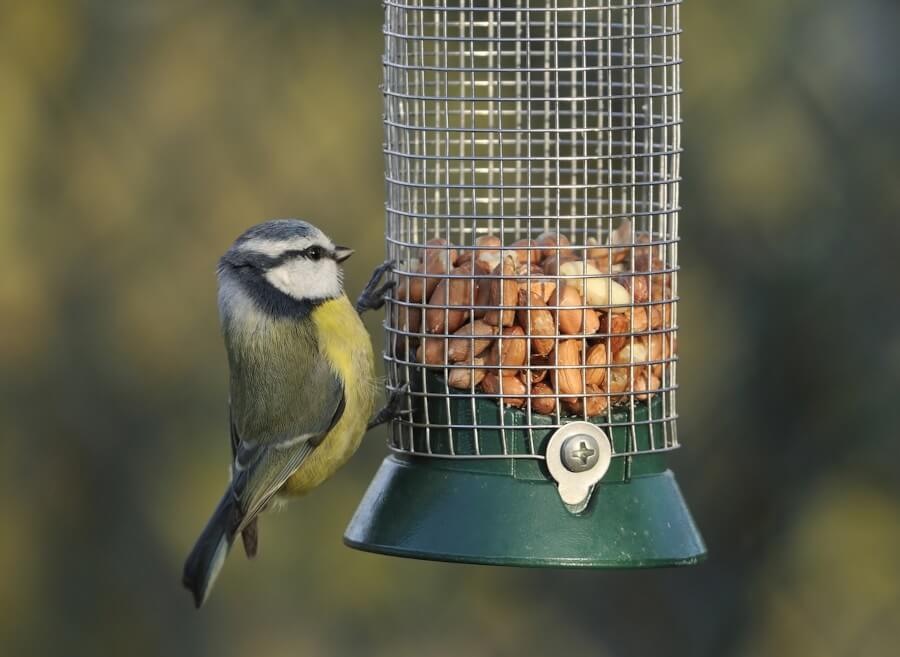
Whole peanuts can be too large for some birds. Offer a mix of whole and chopped peanuts to cater to different species. This way, you’ll attract everything from blue jays to smaller birds like chickadees. Try using different feeders to prevent squirrels from hogging the snacks. A wire mesh feeder can work wonders in keeping pesky critters away, allowing the birds to enjoy their treat without competition.
Monitoring Bird Health
Always keep an eye on the birds visiting your feeder. Are they active and healthy-looking? If you notice any sick or injured birds, it might be time to reassess your feeding practices. Ensure peanuts are not salted or flavored. Such additives can be harmful to birds. By offering plain peanuts, you’re prioritizing their well-being. Engage with your bird community by taking notes of different species and their habits. Have you noticed any changes in their behavior or numbers? Sharing your observations with local birdwatching groups can provide valuable insights. Feeding birds is more than just a hobby. It's a commitment to their health and happiness. Are you ready to become the best bird host in your neighborhood?
Alternatives To Peanuts
Birds enjoy a variety of seeds and nuts. Peanuts are a popular choice, but alternatives like sunflower seeds, millet, and cracked corn can provide nutritious options. These substitutes ensure a balanced diet and attract different bird species to your garden.
Feeding birds can be a delightful hobby. But peanuts aren't always the best choice. Some birds might be allergic. Others might face digestive issues. So, it's wise to explore alternatives. There are many healthy and tasty options for our feathered friends. Let's dive into some nutritious substitutes.
Nutritional Seeds
Seeds are a great peanut alternative. Sunflower seeds are a favorite among many bird species. They are rich in essential oils. Birds also enjoy millet and safflower seeds. These seeds provide vital nutrients. They help birds maintain energy and health. Consider offering a seed mix. It ensures a variety of nutrients.
Suet Cakes
Suet cakes offer high energy. They are ideal for colder months. Made from fat, suet provides warmth. Birds need extra calories during winter. Suet cakes can be homemade or store-bought. You can add seeds or fruits to them. This makes suet more appealing. It's a versatile food source for birds.
Fruit Options
Birds love fresh fruit. Apples and pears are popular choices. Slice them into small pieces. Grapes and berries are also appealing. They are sweet and packed with vitamins. Fruit offers hydration and nutrition. It attracts a wide range of birds. Keep fruit fresh and change it regularly. This prevents spoilage and keeps birds healthy.
Credit: www.reallywildbirdfood.co.uk
Creating A Balanced Bird Diet
Creating a balanced bird diet is essential for keeping your feathered friends healthy. Peanuts can be a great addition to their diet, but variety is key. Birds benefit from a mix of seeds, fruits, and nuts. This helps ensure they get all necessary nutrients. Understanding how to incorporate peanuts and other foods in their diet is vital.
Incorporating Variety
Birds thrive on a diverse diet. Peanuts provide protein and fat. Pair them with seeds, fruits, and grains. This mix supports their health and energy levels. Each food offers different nutrients. Sunflower seeds are rich in fats. Fruits provide vitamins. Grains offer carbohydrates. This variety helps birds meet their nutritional needs.
Seasonal Feeding Considerations
Bird diets change with seasons. In winter, birds need more fats. Peanuts are perfect for this time. In summer, birds may prefer lighter foods. Fruits and seeds are suitable then. Adjusting their diet helps them adapt to seasonal changes. Providing appropriate food ensures they remain healthy year-round.
Observing Bird Preferences
Different birds have unique tastes. Some love peanuts. Others prefer seeds or fruits. Observing which foods they eat can guide you. Offer a mix and see what they choose. This helps cater to their preferences. It also ensures they eat a balanced diet. Adjust offerings based on what they enjoy.

Credit: www.amazon.com
Frequently Asked Questions
Can Birds Eat Raw Peanuts?
Yes, birds can eat raw peanuts. They are a great source of protein and energy. However, ensure they are unsalted and unseasoned. Salt and other additives can be harmful to birds. It's best to offer them shelled or crushed peanuts to prevent choking hazards.
Are Peanuts Safe For All Bird Species?
Most bird species can safely eat peanuts. However, small birds might struggle with whole peanuts. Always provide them in a size appropriate for the bird. Avoid feeding peanuts to baby birds, as they might not digest them well. Always monitor for any adverse reactions.
How Do I Store Peanuts For Birds?
Store peanuts in a cool, dry place to keep them fresh. Use airtight containers to prevent moisture and pests. Check regularly for mold or spoilage. Moldy peanuts can be toxic to birds. Replace them if you notice any off smells or discoloration.
Can Salted Peanuts Harm Birds?
Yes, salted peanuts can harm birds. Salt can lead to dehydration and kidney issues in birds. Always offer unsalted and unseasoned peanuts to your feathered friends. Check labels carefully to ensure they are free from harmful additives. It's crucial to prioritize their health and safety.
Conclusion
Feeding birds peanuts can be a delightful experience. Birds enjoy this nutritious snack. Ensure peanuts are unsalted and dry-roasted. Salted peanuts can harm birds. Freshness matters too. Moldy peanuts are dangerous. Always check for mold before serving. Offer peanuts in small quantities.
Too many can upset their stomachs. Variety is key to a bird's diet. Peanuts alone aren't enough. Mix them with seeds and fruits. This keeps birds healthy and happy. Watching birds feast is rewarding. It brings nature closer to home.
Enjoy the cheerful chirping and fluttering wings. Feeding birds creates a beautiful backyard sanctuary.