


Are you looking to invite a colorful array of birds to your backyard but find yourself out of bird food? Or maybe you're simply curious about the alternatives you can offer to our feathered friends.
Whatever the reason, you've come to the right place. Discovering new ways to nourish birds can be both exciting and rewarding. Imagine your backyard alive with vibrant wings fluttering and chirping, as you provide them with a variety of tasty treats.
But what exactly can you feed them? Dive into this guide to uncover simple, surprising, and safe foods you can offer birds, ensuring they flock to your garden time and time again. Stay with us as we explore options that will not only satisfy your curiosity but also delight the birds in your life.
Fruits For Birds
Birds enjoy a variety of fruits beyond standard bird food. Apples, berries, and grapes make excellent treats. These fruits provide essential nutrients and hydration, making them a delightful choice for our feathered friends.
Feeding birds is a delightful way to connect with nature right in your backyard. While bird food is the usual go-to, did you know that fruits can be a wonderful treat for your feathered friends? Fruits not only provide essential nutrients but also add variety to their diet. Plus, watching birds peck at colorful fruits can be quite a sight! Let's dive into which fruits are safe for birds and the benefits of offering these natural delights.
Safe Fruit Options
Choosing the right fruits is crucial to ensure the safety and health of the birds. Apples are a great option, but remember to remove the seeds as they can be harmful. Berries, such as blueberries and strawberries, are a favorite among many birds and are perfectly safe. Oranges can also be a refreshing treat, but make sure to cut them into manageable pieces. Bananas are easy to serve and provide a good source of energy. Grapes can be offered whole or halved, just ensure they are seedless. Always wash fruits thoroughly to remove any pesticides or chemicals.
Benefits Of Feeding Fruits
Fruits offer a variety of benefits that can enhance a bird's diet. They are rich in vitamins, which help in maintaining healthy feathers and boosting the immune system. The natural sugars in fruits provide a quick energy boost, especially valuable during colder months. Offering fruits can also encourage a diverse range of bird species to visit your garden, adding to the joy of birdwatching. Imagine sitting by your window, sipping your morning coffee, as vibrant birds flutter around, enjoying the feast you've laid out. It's a simple act of kindness that makes a big difference. Have you ever wondered how such a small gesture can create a ripple effect of beauty and life? Next time you snack on an apple or a banana, consider sharing a piece with your feathered visitors. It’s an easy way to make your garden a haven for birds while enjoying their cheerful company.
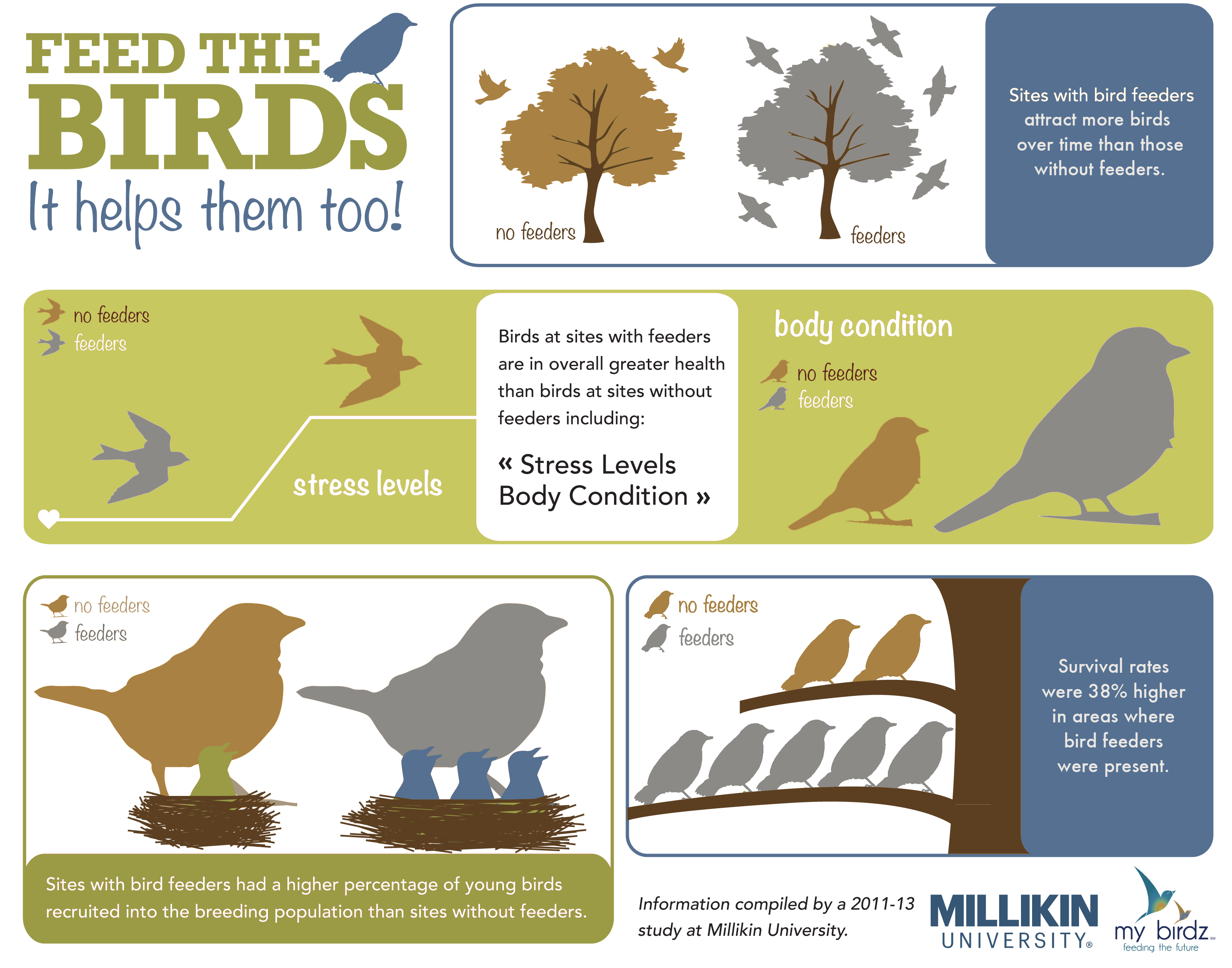
Credit: www.wilddelight.com
Vegetables Birds Enjoy
Many birds enjoy munching on vegetables like peas, corn, and carrots. These veggies offer nutrients and variety in their diet. Providing chopped or cooked vegetables can be a delightful treat for feathered friends.
Birds are delightful creatures to watch, and feeding them can be a rewarding experience. While bird food is a common choice, introducing vegetables into their diet can offer both nutrition and variety. Birds, much like us, have their preferences and certain vegetables can become their favorites. By understanding what vegetables birds enjoy, you can enhance their feeding experience and ensure they receive a balanced diet.
Nutritious Choices
When selecting vegetables for birds, focus on those packed with nutrients. Leafy greens like spinach and kale are excellent choices. They are rich in vitamins and minerals that support bird health. Carrots, with their vibrant color, are not just visually appealing but also full of beta-carotene. Bell peppers offer a sweet crunch and are high in vitamin C. If you have a garden, try offering zucchini or cucumber as hydrating snacks. When I first offered spinach to my backyard visitors, I noticed the finches and sparrows were particularly drawn to it. It was a simple addition, yet it brought them back day after day. Have you ever noticed which vegetables attract the most birds in your garden?
Preparation Tips
Proper preparation ensures that the vegetables are safe and appealing to birds. Always wash vegetables thoroughly to remove pesticides or dirt. Chop them into small, manageable pieces to make eating easier for smaller birds. Cooking is unnecessary, as raw vegetables maintain their full nutrient profile, though lightly steaming can make them softer and more palatable. Present the vegetables in an accessible area where birds frequently visit. A shallow dish or a small tray works well. Replace old vegetables regularly to prevent spoilage. Have you ever tried hanging vegetables like bell peppers? The swinging motion can be a playful challenge for birds and keep them engaged longer. Incorporating vegetables into a bird's diet is not only beneficial for their health but also adds variety to their meals. By choosing nutritious options and preparing them thoughtfully, you can create a garden haven that birds will love returning to.
Seeds And Nuts
Birds bring joy to our gardens with their songs and colors. Feeding them can be a delightful experience. While traditional bird food is common, seeds and nuts offer a nutritious alternative. They provide essential nutrients and attract a variety of bird species.
Types Of Seeds
Seeds are a favorite among many bird species. Sunflower seeds are popular due to their high oil content. They provide energy and attract birds like cardinals and finches. Millet is another great choice, often loved by sparrows and doves. Pumpkin seeds, especially unsalted and shelled, are excellent for larger birds. Safflower seeds work well for cardinals and chickadees. These seeds have a hard shell, which deters some birds but is perfect for others.
Nutritional Value Of Nuts
Nuts are packed with essential nutrients. They offer protein, fats, and vital minerals. Peanuts are a favorite, providing energy and nutrients. Ensure they are unsalted and in their shell. Almonds offer healthy fats and vitamin E. Birds benefit from the energy boost almonds provide. Walnuts, cracked open, are suitable for larger birds. Their rich nutrient profile supports bird health. Offering a variety of nuts ensures diverse nutrition for your feathered friends.

Credit: www.perkypet.com
Grains And Cereals
Birds enjoy grains and cereals like oats, barley, and quinoa. These provide essential nutrients and energy. Serve them uncooked or lightly cooked for easy digestion. Ensure they're free from salt or sugar for bird safety.
Feeding birds can be an enjoyable and rewarding activity, especially when you explore creative options beyond traditional bird food. One category that offers great nutrition and variety is grains and cereals. These common pantry items can attract a diverse range of birds to your garden. Imagine the surprise and delight as birds flock to the grains and cereals you provide. Let's delve into this fascinating topic!
Whole Grains
Whole grains like rice, oats, barley, and quinoa can be a nutritious addition to a bird's diet. They are packed with essential nutrients and provide the energy birds need to thrive. You might notice how sparrows and finches eagerly peck at scattered grains on the ground. Have you ever tried offering cooked rice to birds? It’s a simple way to repurpose leftovers and can be quite appealing to them. Just ensure the rice is plain, without added salt or seasoning. This small effort could attract a vibrant community of feathered friends to your backyard.
Cooked Cereals
Cooked cereals such as oatmeal or porridge can be a cozy treat for birds, especially during colder months. The warmth and softness make it easier for birds to digest. Have you ever watched a robin enjoy a spoonful of warm oatmeal? It’s a heartwarming sight that brings nature a little closer to home. Consider cooking extra cereal for breakfast and setting aside a portion for birds. This little gesture can make a significant difference in their day. Just be mindful to exclude sugar or artificial sweeteners, as these can be harmful to birds. Thought Provoking Question: Have you ever wondered how a simple change in diet could affect the birds visiting your garden? By offering grains and cereals, you might see new species making an appearance, adding a delightful diversity to your birdwatching experience. Practical Tip: Next time you prepare grains or cereals, think of sharing a portion with your feathered neighbors. It’s an easy way to connect with nature and support your local wildlife. Who knows, you might discover a new favorite bird in the process!
Protein Sources For Birds
Birds need protein for energy and growth. It's not just about seeds and grains. There are other protein-rich foods birds can eat. These sources boost their diet and keep them healthy. Explore different protein options for your feathered friends.
Eggs And Dairy
Birds can eat eggs in moderation. Scrambled eggs are a good choice. They are easy for birds to digest. Eggs provide essential nutrients like protein and vitamins. Cook them without oils or spices. Dairy like cheese offers protein too. Soft cheese works best. Small pieces are easier for birds to eat.
Insects And Worms
Insects are a natural protein source for birds. Mealworms are popular among bird enthusiasts. They are rich in protein and fats. Live or dried mealworms work well. Crickets and grasshoppers are also suitable. Birds enjoy hunting these insects. Worms like earthworms are nutritious. They are especially good for larger birds.
Homemade Bird Treats
Birds enjoy a variety of homemade treats beyond standard bird food. Fresh fruits like apples and berries make tasty snacks. Vegetables such as carrots and peas offer healthy options. Cooked rice or pasta provides birds with energy.
Feeding birds can be a delightful pastime, especially when you start experimenting with homemade bird treats. Not only does this provide a fun activity for you, but it also offers a variety of nutritious options for your feathered friends. You're not just feeding them; you're creating an experience that can enhance their health and well-being. If you’ve ever watched birds flocking to a feeder in your garden, you know the joy it brings. Now imagine the excitement of them coming for your homemade creations!
Recipes For Treats
Creating homemade bird treats is easier than you might think. Start with simple ingredients you have in your kitchen. Peanut butter is a favorite for many birds. You can spread it on pinecones or toast and hang them in your garden. Seeds and grains, such as sunflower seeds, oats, and cornmeal, can be mixed with melted suet to form balls or cakes. Fruits like apples and berries are also a hit; just chop them up and place them where birds can easily access them. Another treat you can make is bird seed cookies. Mix birdseed with flour, water, and a pinch of sugar. Shape them into cookies and bake until firm. Your local birds will love pecking at these homemade goodies.
Safety Precautions
While making treats, it's crucial to keep safety in mind. Some ingredients can be harmful to birds. Avoid using salt, as it can cause dehydration. Chocolate is toxic to birds, so keep it out of your recipes. If you’re using peanut butter, ensure it’s unsalted and doesn't contain artificial sweeteners like xylitol. Be mindful of where you place these treats. Keep them away from areas where predators can easily snatch them. Also, ensure that the treats do not go moldy; fresh is best. Always check for signs of spoilage before putting them out. Have you ever wondered what birds might prefer? Observing their behavior can give you insights into their likes and dislikes. Experiment with different recipes and watch which ones attract the most visitors. Making homemade bird treats is not just about feeding; it’s about connecting with nature and understanding the birds in your area. Start small, observe, and adapt to what your feathered friends enjoy. Who knows, you might discover a secret recipe that keeps them coming back for more!
Foods To Avoid
Feeding birds can be a delightful activity, but not all foods are safe. It's essential to know which foods to avoid. Birds have delicate systems, and certain ingredients can harm them. Understanding these can help you keep birds healthy and happy.
Harmful Ingredients
Certain ingredients are toxic to birds. Chocolate is a major culprit. It contains theobromine, which is harmful to birds. Avoid foods with caffeine too. This stimulant can cause heart problems in birds. Avocado is another food to steer clear of. Its pits and skin contain persin, which is toxic. Salty snacks are bad for birds. Excessive salt can lead to dehydration and kidney issues.
Signs Of Unhealthy Foods
Watch for signs that food is unhealthy for birds. Vomiting is a clear sign. Birds may also appear lethargic. Difficulty in breathing is another warning. Look for changes in droppings. Unusual colors or consistency may indicate a problem. If birds refuse food, it might be unhealthy. Pay attention to any sudden weight loss. These signs can help you identify harmful foods quickly.
Feeding Birds In Different Seasons
Explore feeding birds with fruits, vegetables, and nuts. Offer apples, berries, and cooked rice. Avoid bread.
Feeding Birds in Different Seasons As the seasons change, so do the needs of the birds in your backyard. By understanding what to feed birds during different times of the year, you can help them thrive. Adjusting your feeding strategy not only attracts a variety of bird species but also supports them when they need it most.
Winter Feeding Tips
Winter can be a challenging time for birds. With the cold weather, they need more energy to stay warm. Offer high-fat foods like suet and peanuts to give them a calorie boost. If you've ever watched a bird peck at suet on a snowy morning, you know how grateful they seem for the energy-rich snack. Sunflower seeds are also great for winter because they're packed with nutrients. Consider keeping a fresh water source available, as most natural sources freeze over. Adding a heated birdbath can be a lifesaver for your feathered friends.
Summer Feeding Strategies
During summer, birds benefit from foods with high moisture content. Fresh fruits like apples and berries can be a refreshing treat. Have you ever noticed how birds flock to a berry bush? It's because they love the juicy goodness. Insects are abundant in summer, so providing mealworms can be an excellent way to mimic their natural diet. Make sure to keep feeders clean and dry to prevent mold growth. Avoid putting out too much food at once—only what can be eaten in a day. Feeding birds throughout the year can be a rewarding experience. What seasonal changes have you noticed in the birds around your home? Adjusting your offerings based on the season can make a world of difference for your avian visitors.
Creating A Balanced Diet
Birds enjoy a variety of foods beyond traditional bird feed. Offer them fruits like apples and berries, which provide essential nutrients. Vegetables such as peas and corn are also safe and nutritious for avian friends.
Creating a balanced diet for birds is essential to ensure their health and well-being. While commercial bird food provides the basics, mixing it up can lead to happier, healthier birds. Think about the variety of foods you consume daily; birds can enjoy a similar diversity, too. By combining different food types, you can create a nutritious feast that keeps your feathered friends thriving.
Mixing Food Types
Consider adding grains like oatmeal or cooked rice to their meals. These are easy to digest and provide essential nutrients. Fresh fruits and vegetables can also be a delightful addition. Apples, carrots, and peas are favorites that offer vitamins and minerals. Seeds and nuts are a treat that birds relish. Sunflower seeds and peanuts are popular choices that offer protein and healthy fats. You might be surprised to see how quickly they gobble them up! A little protein can go a long way. Cooked eggs or mealworms can be a source of protein that keeps birds strong and energetic.
Monitoring Bird Health
Keep an eye on your bird's behavior and appearance. Are they active and chirpy? A shiny plumage and bright eyes indicate good health. If they start showing signs of lethargy or dull feathers, it might be time to reassess their diet. Regularly check the food for freshness. Stale or moldy food can harm birds, so ensure they're getting the best quality. Engage with your birds during feeding time. Notice their preferences and adjust their diet accordingly. Do they rush to certain foods? This insight can help you tailor their meals for maximum enjoyment and nutrition. Are you willing to experiment with new foods to see what makes your birds happiest? Balancing their diet with a mix of these options could lead to a happier, healthier avian community in your backyard.
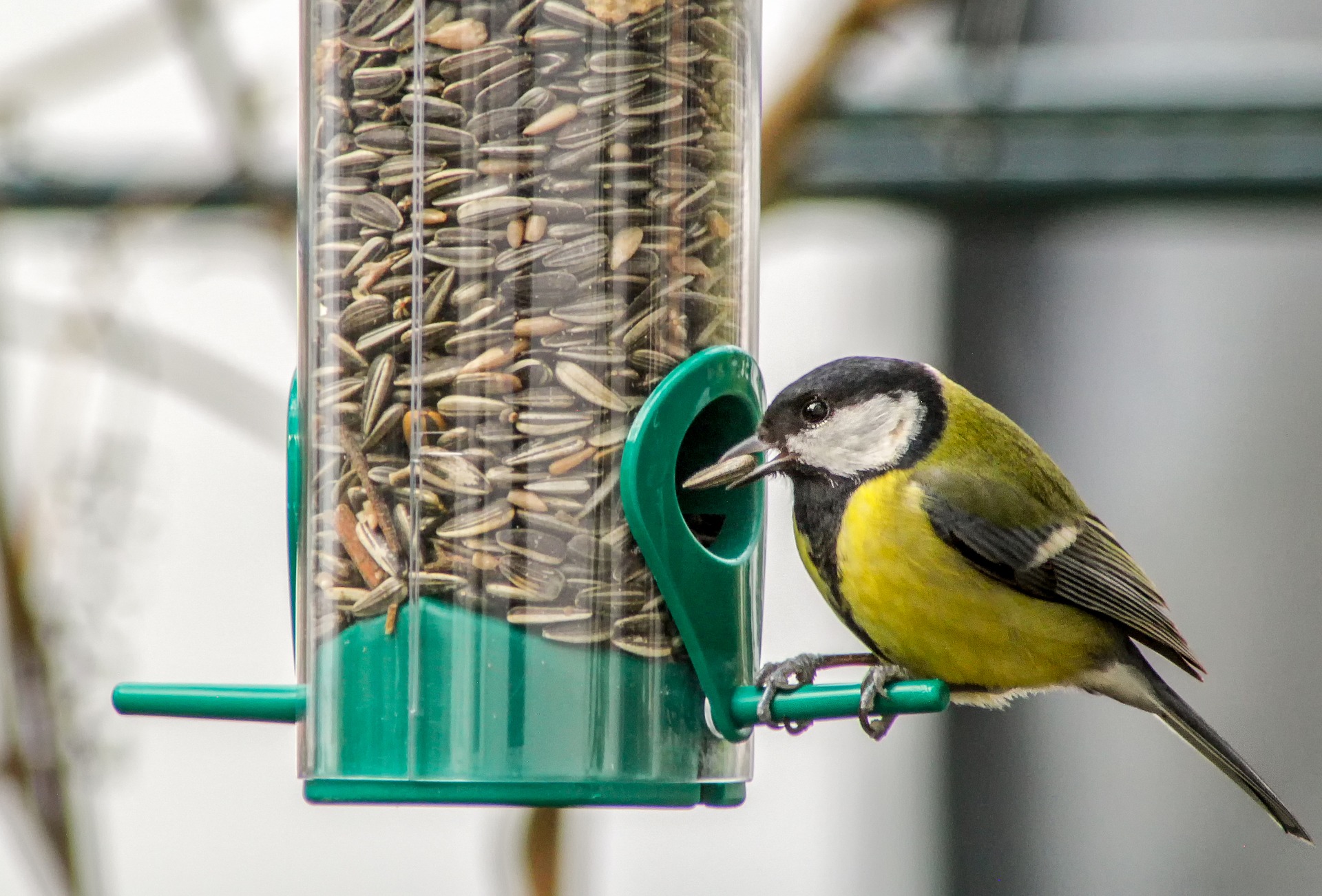
Credit: www.gcbo.org
Frequently Asked Questions
What Fruits Can Birds Eat Safely?
Birds can safely eat a variety of fruits like apples, bananas, and grapes. These fruits provide essential vitamins and nutrients for birds. Always remove seeds and pits before feeding, as they can be harmful. Fresh fruits should be washed thoroughly to remove any pesticides or chemicals.
Can Birds Eat Vegetables Instead Of Bird Food?
Yes, birds can eat vegetables such as carrots, peas, and corn. These vegetables offer important nutrients and fiber. Ensure vegetables are chopped into small, manageable pieces. Avoid feeding birds onions, avocados, or garlic, as these can be toxic. Always provide fresh, pesticide-free options for optimal bird health.
Is It Safe To Feed Birds Nuts?
Birds can safely consume nuts like peanuts and almonds. Nuts are a great source of protein and fats. Ensure nuts are unsalted and unseasoned to avoid health issues. Crush or chop them into smaller pieces for easier consumption. Avoid feeding birds large quantities of nuts to prevent obesity.
Can Birds Eat Bread As A Food Alternative?
While birds can eat bread, it should be given sparingly. Bread offers little nutritional value and can fill birds up without providing essential nutrients. Opt for whole grain, unsalted bread in moderation. Always avoid moldy bread, which can be harmful to birds’ health.
Conclusion
Exploring bird food alternatives can be fun. Birds enjoy various foods from your kitchen. Nuts, seeds, and fruits offer great nutrition. Vegetables like corn and peas are healthy choices too. Always check if foods are safe for birds. Avoid bread and harmful items.
A diverse diet keeps birds happy and healthy. Watching them feast can be rewarding. Encourage natural feeding habits. With care, you can support local wildlife. Enjoy the fascinating world of bird feeding. Your backyard may soon become a lively haven.
Nature's beauty is closer than you think.