


Are you a bird enthusiast who loves to sprinkle seeds in your garden, hoping to attract a flurry of colorful feathers? If so, you might have heard whispers of an unwanted guest: rats.
The idea that feeding birds could invite rodents into your backyard can be unsettling. You cherish the joy and serenity that birdwatching brings, but the thought of rats scurrying around is less than appealing. Before you reconsider your bird-feeding routine, let's dive into the truth behind this concern.
Could your bird-friendly habits really be an open invitation to rodents, or is this just a common misconception? Understanding the connection can help you enjoy your feathered friends without any unwanted surprises. So, let's unravel the mystery and find out how you can keep your garden both bird-friendly and rodent-free.
Bird Feeding Habits
Feeding birds in your garden can attract rats if food is left on the ground. Rats are drawn to seeds and crumbs. To prevent this, use bird feeders that catch falling food. Keep the area clean to minimize the chance of unwanted visitors.
Bird feeding habits have delighted many of us, bringing the joy of nature right to our backyards. Watching colorful birds flutter around a feeder can be a peaceful escape from our hectic lives. However, have you ever paused to wonder if your feeding practices might inadvertently invite unwanted guests like rats?
Common Bird Feed Types
Choosing the right bird feed is essential. Seeds like sunflower seeds and millet are popular among a variety of birds. They’re easy to find and cater to many species, but they can also attract rodents if spillage occurs. Nuts are another favorite, especially for larger birds like jays and woodpeckers. While nutritious and appealing to birds, leftover nuts can be a treat for rats. Suet cakes offer a high-energy option, especially in colder months. They are less likely to scatter, reducing the chances of attracting rats. However, once they melt, they can still become a mess. Are you using the right feed to minimize rat attraction in your yard?
Popular Bird Feeding Locations
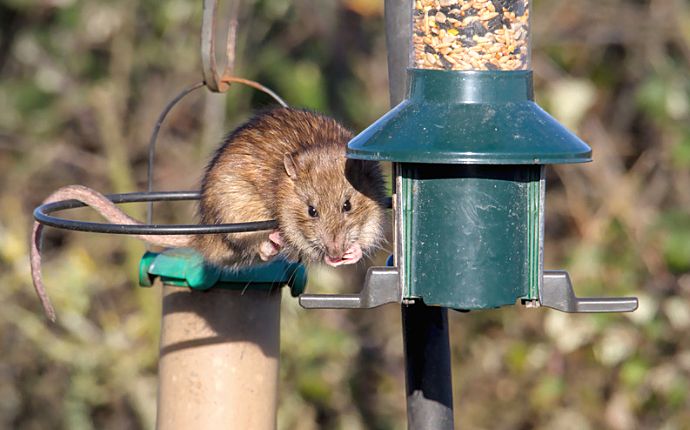
Where you place your bird feeders can significantly affect whether rats are drawn to your yard. Backyards and gardens are common choices because they’re convenient and offer a natural setting. However, if food spills on the ground, it can be a feast for rodents. Balconies in urban areas are becoming popular spots for bird feeders. While they can limit ground access for rats, seeds can easily fall to lower levels, still presenting a risk. Windowsills provide a close-up bird-watching experience. But, they need regular cleaning to ensure no food is left to entice rats. Have you considered how your feeder’s location might be influencing local wildlife dynamics? Remember, enjoying birds doesn’t have to mean dealing with rats. By understanding bird feeding habits, you can take actionable steps to create a safe and inviting environment for birds without attracting unwanted pests.
Credit: romneypestcontrol.com
Rat Attraction Factors
Feeding birds can unintentionally attract rats. Spilled birdseed and accessible feeders provide easy meals for these rodents. Regular cleaning and using spill-proof feeders help keep unwanted guests away.
Feeding birds can sometimes attract unwanted guests. Rats are particularly drawn to areas where food is abundant. Understanding what attracts them helps in managing these pests effectively.
Food Sources For Rats
Rats are opportunistic feeders. They eat almost anything that humans or animals consume. Birdseed and food scraps are prime attractants for them. Rats have a keen sense of smell, guiding them to food sources effortlessly. Leaving bird food accessible increases the risk of rat presence. Secure food storage is crucial to prevent rat infestations.
Environmental Conditions Favoring Rats
Certain conditions make environments more favorable for rats. Dark and secluded areas offer perfect nesting spots. Rats thrive in places with easy access to shelter and food. Overgrown vegetation and clutter provide excellent hiding places. Moisture is also a factor; rats favor damp environments. Regular cleaning and maintenance reduce the chances of rat habitation. Proper waste disposal and storage are key in managing rat attraction.
Link Between Bird Feeding And Rat Presence
Feeding birds in your garden can be a delightful hobby. Watching colorful birds flutter around brings joy. But does this activity invite unwanted guests like rats? It's a common concern. Many people worry about the connection between bird feeding and rat presence. Understanding this link can help in making informed decisions. Let's explore what studies and observations reveal.
Evidence From Studies
Scientific studies have explored the link between bird feeding and rats. Researchers found that food left out for birds can attract rats. Rats are opportunistic feeders. They eat anything available, including bird food. One study showed that areas with bird feeders had more rat activity. This suggests a direct connection. Proper management of bird feeding can minimize this risk.
Anecdotal Observations
Anecdotal observations also suggest a link between bird feeding and rats. Many people have noticed rats near their bird feeders. They often see droppings or gnaw marks. Some have even spotted rats eating leftover bird food. These personal experiences add weight to scientific findings. They highlight the need for careful bird feeding practices. Securing bird feeders and cleaning spills can help. Observers suggest regular maintenance to avoid attracting rats.
Credit: www.worthington.org
Preventive Measures
Feeding birds can sometimes attract unwanted guests like rats. This can be a concern for many bird enthusiasts. However, there are effective ways to enjoy birdwatching without inviting rodents. Implementing preventive measures can help you maintain a rat-free garden. Let's explore some practical strategies.
Safe Bird Feeding Practices
Using specific bird feeders can minimize food spillage. Choose feeders with trays to catch falling seeds. Position feeders away from any potential rat hiding spots. Ensure feeders are at least five feet above the ground. Regularly clean up fallen seeds and debris. This reduces the food supply for rats.
Rat Deterrence Strategies
Plant strong-smelling herbs like mint around your garden. Rats dislike their scent and stay away. Store birdseed in metal containers with tight lids. This prevents access by rodents. Employ motion-activated lights or sprinklers. Sudden movements can scare rats and keep them at bay. Maintain a tidy garden by trimming overgrown bushes. This removes potential rat shelters.
Community Perspectives
Feeding birds in the backyard can attract unwanted rodents. Rats are often drawn to leftover seeds. Keeping feeding areas clean helps reduce this risk.
Feeding birds in your backyard can be a delightful hobby, connecting you with nature and adding life to your surroundings. However, some community members worry that bird feeders might attract unwanted guests, like rats. To understand this concern, let's explore different community perspectives on the topic.
Public Opinions
Many people enjoy feeding birds and see it as a way to support wildlife, especially in urban areas. They argue that with proper bird feeder maintenance, the risk of attracting rats is minimal. Some suggest using feeders with baffles or trays to catch spills, which can reduce food waste on the ground. On the other hand, some neighbors worry that bird feeding might lead to rodent problems, impacting local hygiene and safety. They might have experienced an increase in rat sightings after a neighbor set up a feeder. If you've noticed this in your area, it might be worth discussing with your community to find a balance.
Wildlife Conservation Views
Conservationists often have mixed feelings about feeding birds. They acknowledge the benefits, such as supporting bird populations during harsh seasons. However, they caution that improper feeding can disrupt local ecosystems. For instance, feeding birds can attract non-native species, which might outcompete local birds for resources. Additionally, leftover seeds can attract rats, which poses a threat to both birds and the surrounding environment. Experts recommend using seed types that appeal to birds but not rodents, like safflower seeds. Consider asking local wildlife organizations for guidance on safe feeding practices. They often provide resources and tips that can help you enjoy bird watching without attracting pests. Have you ever thought about how feeding birds might affect the wider ecosystem in your area? Engaging with community members and local experts can provide valuable insights and solutions.
Impact On Ecosystem
Feeding birds brings joy to many. Watching them flutter and feed can be calming. But, does this act disturb the ecosystem? The answer is complex. It can attract unwanted guests, like rats. Understanding the impact on ecosystems is crucial.
Balance Between Species
Feeding birds can upset the balance between species. Birds might flock in large numbers. This can lead to increased competition. Native birds may struggle to find food. Rats, drawn by fallen seeds, might invade. This can disturb the natural order. Predators may face challenges. Their prey might become scarce. Such shifts can cause ripple effects.
Long-term Ecological Effects
Long-term ecological effects can be significant. Rat populations may grow unchecked. They can harm habitats. Rats might damage plants and infrastructure. This disrupts food chains. Native wildlife could suffer. Their numbers might dwindle. Biodiversity can be at risk. Changes in species population can affect ecosystems. They rely on balance to thrive. Understanding these impacts is important.
Expert Recommendations
Feeding birds might attract rats if leftover food is accessible. Experts suggest using feeders that minimize spillage. Regularly clean feeding areas to deter rodents and maintain a healthy environment for birds.
Feeding birds is a delightful activity that brings joy to many bird enthusiasts. Yet, a common concern arises: does feeding birds cause rats? To address this question, experts have shared their valuable insights and recommendations. By following these guidelines, you can enjoy feeding birds while minimizing the risk of attracting unwanted rodents.
Guidelines From Wildlife Experts
Wildlife experts suggest feeding birds in a way that reduces the likelihood of attracting rats. One key tip is to use bird feeders that are designed to minimize spillage. Spilled seeds are a feast for rats, so choosing feeders that retain seeds can make a big difference. Another recommendation is to regularly clean the area around the feeders. Removing fallen seeds and debris helps prevent rats from finding easy meals. Experts also advise placing feeders away from dense vegetation, where rats might hide.
Best Practices For Urban Areas
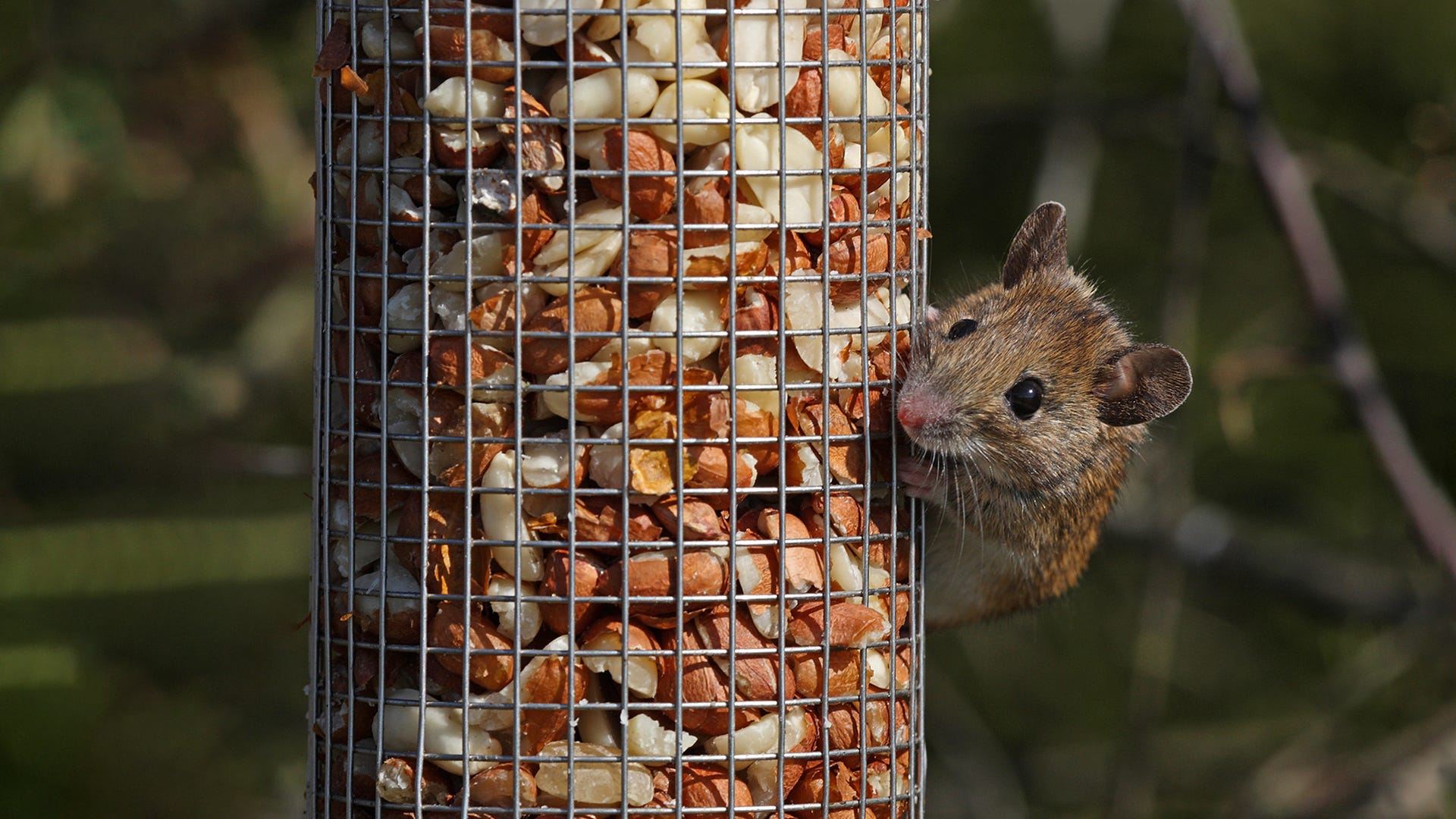
In urban areas, where rats are more prevalent, additional precautions are necessary. Consider using seed blends that rats find less appealing. Opt for bird feed that contains millet or sunflower hearts, which birds love but rats tend to avoid. Secure your trash bins and compost piles to prevent rats from accessing other food sources. This not only helps in keeping rats away but also supports a cleaner environment. You might wonder, is there a way to enjoy bird feeding without inviting rats? Yes, there is. Installing feeders at a height that rats can't easily reach is effective. Rats are less likely to climb up high to access food. Have you ever thought about using technology? Motion-activated lights can deter rats at night. This simple addition can safeguard your feeding area without disturbing the birds. By implementing these expert recommendations, you can enjoy birdwatching without worrying about rodents. Which strategies will you try next to keep your feathered friends safe and your surroundings clean?
Credit: www.perkypet.com
Frequently Asked Questions
Do Bird Feeders Attract Rats?
Yes, bird feeders can attract rats if not managed properly. Spilled seeds and uneaten bird food are tempting for rodents. To prevent this, use feeders with trays to catch excess seeds and regularly clean the area. Consider using rat-proof feeders to minimize the risk of attracting unwanted pests.
How To Prevent Rats When Feeding Birds?
To prevent rats, keep the feeding area clean and tidy. Use bird feeders with trays to catch excess seeds. Store bird food in sealed containers. Regularly clean up any spilled seeds or food. Consider using rat-proof feeders or baffles to deter rodents from accessing the feed.
Are Rats Harmful To Backyard Birds?
Rats can pose a threat to backyard birds by stealing their food and spreading diseases. They may also disrupt bird nests and eat eggs or chicks. By managing food waste and using rat-proof feeders, you can help protect birds from potential harm caused by rats.
What Are Rat-proof Bird Feeders?
Rat-proof bird feeders are designed to prevent rodents from accessing bird food. These feeders often have mechanisms that close access points when triggered by a rat's weight. They help in minimizing food waste and reduce the risk of attracting rodents to your yard.
Conclusion
Feeding birds can sometimes attract rats. It's important to manage it well. Regularly clean feeding areas. Use bird feeders that limit spillage. This helps reduce rat attraction. Proper storage of bird food is crucial. Keep it in sealed containers. Avoid scattering food on the ground.
This simple step can discourage rats. Observing and adjusting your feeding habits is key. Stay mindful of surroundings. These actions can make a difference. Enjoy birdwatching without unwanted visitors. Small changes can ensure a rat-free garden. Balance nature's beauty with practical solutions.