


Have you ever watched a bird carefully feeding its young and wondered about the magic behind this tender ritual? Birds feeding their offspring is not just a simple act; it’s a fascinating blend of instinct, strategy, and care that ensures the survival of the next generation.
As you explore this captivating process, you'll uncover the unique methods different bird species use to nourish their young, each adapting to their environment and needs. This insight into avian behavior not only enhances your appreciation for these creatures but also reveals the intricate balance of nature.
Stay with us to discover the secrets of how birds nurture their chicks to grow strong and thrive.
Credit: mostbeautifulbirds.com
Feeding Methods In Birds
Birds display unique feeding methods to nourish their young. These methods ensure the chicks receive the right nutrients. Each bird species has its own technique for feeding. This diversity showcases nature's adaptability. Let's delve into some of these feeding methods.
Regurgitation Technique
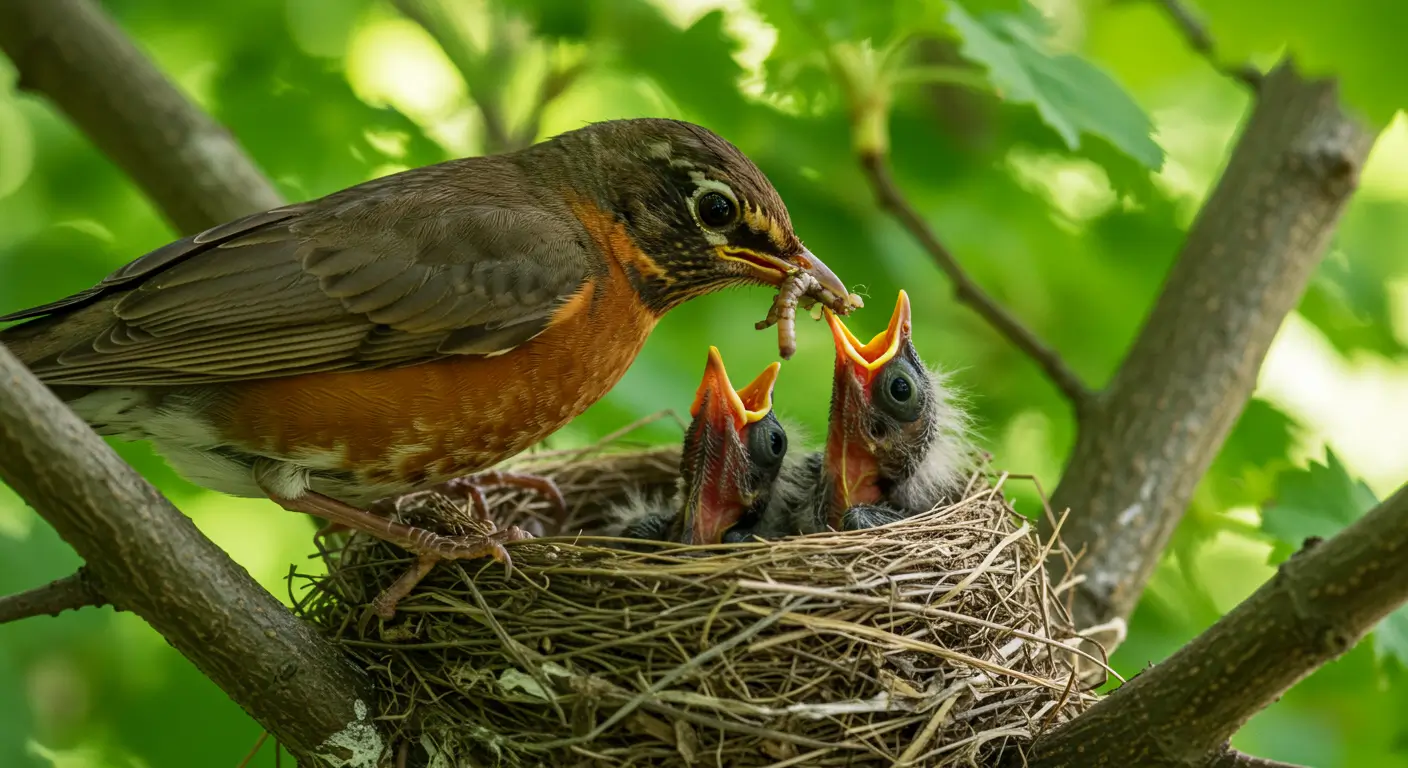
The regurgitation technique is common in many bird species. Parent birds consume food and partially digest it. Then, they regurgitate this food to feed their chicks. This ensures the food is soft and easy to swallow. Chicks rely on this method for essential nutrients. It is a direct and efficient way to feed their young.
Direct Feeding
Some bird species use direct feeding methods. Parents bring whole food items to the nest. They place these directly into the chicks' mouths. This method is often seen in raptors and seabirds. The food remains intact, providing full nutritional benefits. It is a straightforward approach to feeding.
Crop Milk
Certain birds produce a special substance called crop milk. Pigeons and doves are famous for this method. Crop milk is rich in proteins and fats. It is produced in the crop, a part of the bird's digestive system. Parents regurgitate this milk to feed their chicks. It is a unique and nourishing feeding method.

Credit: www.nwf.org
Variety In Diets
Birds have diverse diets to nourish their young. These diets vary greatly among species. Some birds rely on insects. Others choose seeds and plants. A few are carnivorous.
This variety ensures each chick receives proper nutrition. Understanding these diets reveals the adaptability of birds. It showcases their survival strategies. Let's explore these fascinating feeding habits.
Insect-based Diet
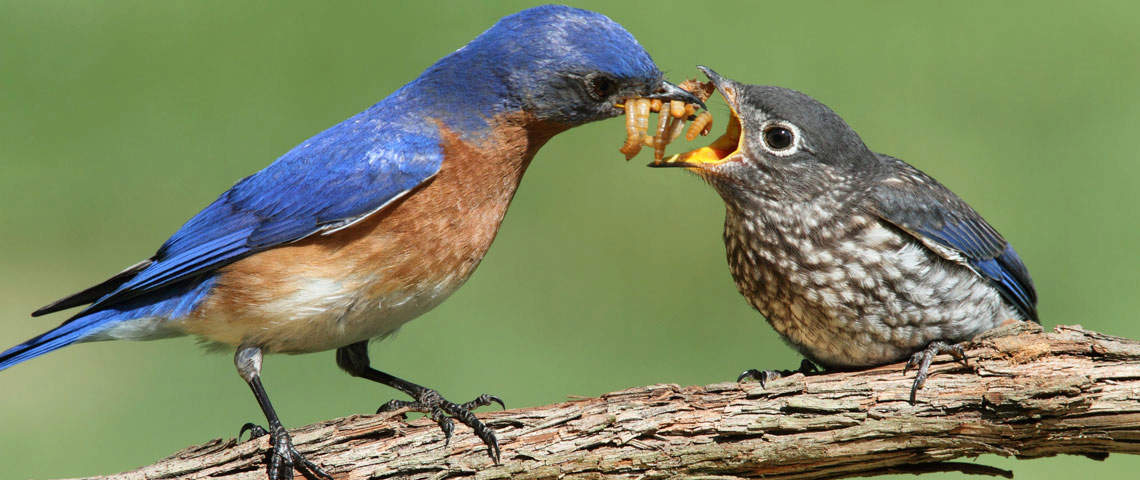
Many birds feed their chicks with insects. They find bugs in trees, on the ground, or in the air. Insects are rich in protein. This helps chicks grow strong and healthy. Parents catch insects and bring them to the nest. This diet is common among sparrows and warblers.
Seed And Plant Diet
Some birds prefer seeds and plants. Finches and doves often choose this diet. Seeds provide energy for growing chicks. They are easy to collect and store. Parents find seeds in fields and gardens. Plants offer vitamins and minerals. This helps in chick development.
Carnivorous Birds
A few birds are carnivorous. They feed their young with meat. Hawks and eagles hunt small animals. They bring prey back to the nest. This diet is high in protein. It supports rapid growth in chicks. Carnivorous birds demonstrate strong hunting skills.
Parental Roles In Feeding
Birds, like many creatures, share parenting duties. Feeding their young is a crucial task. Different species have unique ways to nurture their chicks. Understanding these roles offers insight into bird behavior. Let's explore the distinct roles played by bird parents.
Mother's Role
The mother bird often plays a central role. She may incubate the eggs, keeping them warm. After hatching, she feeds her chicks. In some species, the mother hunts for food. Her dedication ensures the chicks grow strong. The mother also protects them from predators.
Father's Contribution
The father bird's role varies. In some species, he gathers food. This can include insects or seeds. Often, he feeds the mother while she tends to the chicks. His presence offers security. He guards the nest from threats. This allows the mother to focus on nurturing.
Shared Responsibilities
In many bird families, both parents share feeding duties. They take turns leaving the nest. This teamwork helps meet the chicks' needs. Both parents may also teach survival skills. They guide their young in finding food. Shared care ensures healthy development.
Adaptations For Feeding
Birds have evolved fascinating adaptations to ensure their young receive the nourishment they need to thrive. These adaptations are a testament to nature's ingenuity, ensuring that each bird species can efficiently feed its chicks. Imagine watching a parent bird carefully select food, then skillfully deliver it to its hungry offspring. It's a delicate dance that involves unique beak shapes, specialized digestive systems, and intelligent behaviors.
Beak Shapes And Functions
Have you ever noticed the variety of beak shapes among birds? Each shape serves a specific function, tailored to the feeding needs of their young. For example, hawks have sharp, hooked beaks ideal for tearing meat, while hummingbirds possess long, thin beaks to sip nectar. These beak adaptations ensure that birds can efficiently gather and process food suitable for their chicks.
Think about how a pelican scoops fish with its large pouch or how a finch uses its sturdy beak to crack seeds. These beak designs are not random; they are perfectly matched to the dietary needs of their species, allowing parents to provide the best possible nutrition to their young.
Digestive System Adaptations
Birds also boast remarkable digestive system adaptations. These adaptations help them convert food into nutrients quickly and effectively. For instance, some birds have a crop, a specialized pouch in their throat where they can store food before digestion. This allows them to feed their chicks in portions, ensuring they get small, manageable amounts.
Additionally, birds like pigeons produce a nutrient-rich substance called "crop milk" to feed their young. This adaptation ensures that even the smallest chicks receive high-quality nourishment. Such innovations in digestion highlight how birds have evolved to meet the nutritional demands of their offspring.
Behavioral Adaptations
Bird feeding behaviors are as diverse as their species. Some birds are known for their cooperative feeding strategies. They may work in pairs or groups to gather food, ensuring their young are adequately fed. This teamwork approach can be seen in species like penguins, where both parents take turns hunting and feeding.
Have you observed how parent birds often return repeatedly to the nest with food? This behavior is crucial for the survival of their chicks, as it guarantees a consistent supply of nourishment. It's a powerful reminder of the lengths to which birds will go to ensure their offspring thrive.
As you think about these adaptations, ask yourself: What can we learn from birds about nurturing and providing for our young? Their commitment to feeding their chicks offers practical insights into the importance of adaptability and resourcefulness in caregiving.
Challenges In Feeding
Birds face many challenges in feeding their young. Each day brings new obstacles. These challenges can affect the survival of their chicks. Understanding these challenges can help us appreciate the effort birds make.
Predation Risks
Predators are a constant threat to bird nests. Birds must protect their young from snakes, cats, and other animals. Parents often stay close, watching for danger. They may use clever tricks to distract predators. Sometimes, they move their nests to safer locations.
Environmental Factors
Weather can make feeding difficult. Heavy rain or strong winds can damage nests. It can also make it hard to find food. In some areas, pollution affects food quality. Birds must travel further to find clean food sources. Changes in climate can also alter food availability.
Competition For Food
In crowded areas, food competition is fierce. Many birds may rely on the same food sources. This can lead to shortages. Parents must work harder to find enough food. They might travel long distances or search in new places. Competing species can also reduce food supplies.
Credit: www.pennington.com
Impact Of Human Activity
Birds are fascinating creatures. They display remarkable behaviors, especially in feeding their young. Unfortunately, human activities impact how birds nurture their offspring. These effects are seen in various aspects of their environment.
Habitat Destruction
Urban expansion reduces natural spaces. Birds lose nesting sites and food sources. Deforestation is a major threat. It leaves many birds homeless. Without proper homes, feeding their chicks becomes challenging.
Wetland loss also affects bird populations. Many birds rely on wetlands for food. As these areas shrink, birds struggle to find sustenance. Their young suffer from inadequate nutrition.
Pollution Effects
Pollution affects both air and water. Birds rely on clean environments for feeding. Chemicals in waterways contaminate fish and insects. Birds ingest these toxins when feeding their young.
Air pollution disrupts bird navigation. It affects their ability to find food. Breeding success declines, impacting chick survival rates.
Conservation Efforts
Many organizations work tirelessly to protect bird habitats. Conservation projects aim to restore natural spaces. They help birds find safe areas to feed their chicks.
Pollution control is crucial. Laws and regulations curb harmful emissions. Cleaner environments ensure birds can nurture their young safely.
Wildlife reserves offer sanctuaries. They provide a haven for birds to thrive. These efforts support healthy bird populations.
Frequently Asked Questions
How Do Parent Birds Feed Their Chicks?
Parent birds regurgitate food directly into their chicks' mouths. This process ensures the young receive pre-digested nutrients. Regurgitation helps chicks easily digest food and absorb essential nutrients. Parent birds often hunt or forage multiple times a day to feed their young.
What Types Of Food Do Birds Give Their Young?
Birds provide their young with insects, worms, seeds, and fruits. The diet varies depending on the species and habitat. Insects and worms are protein-rich, aiding in chick growth. Some birds may also feed their young small fish or invertebrates.
How Often Do Birds Feed Their Young?
Birds typically feed their young multiple times daily. The frequency depends on the bird species and chick age. Younger chicks require more frequent feeding due to rapid growth. Parents remain attentive and responsive to their chicks' hunger signals.
How Do Birds Ensure All Chicks Are Fed?
Birds use feeding rotations to ensure each chick receives food. Parents monitor and assess each chick's hunger and need. They may prioritize weaker chicks to ensure survival. This attention helps ensure all offspring have a chance to thrive.
Conclusion
Birds show amazing care in feeding their young. Each species has unique ways. Parents teach survival skills through feeding. This builds strong bonds. Young birds learn by watching and copying. They grow healthy and strong. Their future depends on these early lessons.
Bird feeding habits inspire us. They remind us of nature's wonders. Observing them can teach us patience and care. Next time you see a bird, think about its feeding journey. It's a story of dedication and love. Truly remarkable, isn't it?
This natural cycle keeps life thriving. And ensures the beauty of birds in our world.