


Have you ever wondered if your backyard birds can actually sniff out the bird feeders you so thoughtfully hang up? You might be surprised to learn that the sense of smell in birds, often overlooked, plays a more intriguing role than you might think.
Understanding how birds locate food can transform the way you attract these feathered friends to your garden. This knowledge can optimize your efforts in creating a bird-friendly haven and ensure that your feeders are always bustling with activity. Dive into this fascinating topic and discover whether your bird feeder is more than just a visual beacon in your garden.
Unraveling this mystery might just change the way you think about feeding your avian visitors. Ready to uncover the truth? Keep reading to find out!

Credit: www.birdsandblooms.com
Birds' Sense Of Smell
Have you ever wondered if birds can smell their way to a bird feeder? While birds are often celebrated for their keen eyesight and exceptional hearing, their sense of smell remains a lesser-known topic. But understanding this can greatly improve how you attract feathered friends to your backyard. Let's dive into the fascinating world of bird olfaction.
Anatomy Of Bird Olfaction
Birds, much like humans, have olfactory systems that vary in complexity. The olfactory bulb, a critical component of their sense of smell, is present in the brain of many bird species. This bulb processes scent information. Interestingly, the size of the olfactory bulb can indicate how reliant a bird is on its sense of smell.
For instance, a turkey vulture has a notably large olfactory bulb compared to smaller songbirds. This anatomical difference suggests that vultures depend more on smell to find food, such as carrion. So, if you see a vulture circling in the sky, it's likely following its nose rather than its eyes.
Species With Enhanced Smell
Some bird species have a remarkable sense of smell, which may surprise you. The kiwi bird, native to New Zealand, uses its sense of smell to locate insects and worms underground. With its nostrils located at the tip of its beak, the kiwi can sniff out food with impressive accuracy.
Albatrosses are another example. These ocean-dwelling birds can detect the scent of krill and fish from miles away. Their enhanced olfaction helps them navigate vast ocean expanses in search of food. So, the next time you see an albatross soaring across the sea, remember that it's guided by its nose as much as by the wind.
So, can birds smell bird feeders? It largely depends on the species. While some may rely on sight or sound, others use their olfactory skills to find food. How might you use this knowledge to attract different bird species to your garden?
Understanding these nuances can enhance your birdwatching experience. If you want to attract a variety of birds, consider experimenting with different bird feeders and foods that appeal to their senses.

Credit: www.birdwatchingdaily.com
Feeder Detection Methods
Have you ever wondered how birds find your bird feeder amidst the vast outdoors? Birds employ a variety of methods to detect these food sources. Understanding these methods can enhance your bird-watching experience and help you attract more feathered friends to your backyard.
Visual Cues
Birds rely heavily on their keen eyesight to spot feeders. They can detect bright colors and movement from a distance. Placing your feeder in an open area with vibrant colors can make it more noticeable.
Consider using red or yellow feeders, as these colors are particularly attractive to many bird species. If you’ve ever seen a cardinal dart toward a bright red feeder, you’ve witnessed this visual attraction in action.
Auditory Signals
Birds also use their acute hearing to locate feeders. The sound of seed falling into a feeder or the chatter of other birds can act as an invitation. These sounds can travel quite far, alerting birds that a meal is available.
You might notice an increase in bird activity after filling your feeder. This is because the sound of seeds hitting the feeder often draws a curious crowd.
Olfactory Clues
While it's commonly believed that birds have a poor sense of smell, some species can detect food through scent. This ability varies among bird types, with some seabirds and vultures having a more developed sense of smell.
However, for backyard birds like sparrows or finches, visual and auditory signals play a more significant role. Are there certain scents that could attract or deter birds? That’s a question still being explored by researchers.
By understanding these feeder detection methods, you can optimize your setup to attract a diverse array of birds. Experiment with different feeder placements, colors, and even sounds to see which methods work best in your environment. Have you noticed any specific cues that make your feeder a favorite among local birds?
Scientific Studies
Can birds smell bird feeders? This question intrigues many bird enthusiasts. Scientists have conducted various studies to explore this. Understanding if birds use their sense of smell can enhance our approach to feeding them.
Research Findings
Recent research reveals birds may have a sense of smell. Some species detect food using olfactory cues. This suggests that smell plays a role in their feeding habits. Studies show that certain birds are drawn to specific scents.
Experiments On Bird Behavior
Scientists have conducted experiments on bird behavior. They tested how birds respond to different scents. In controlled environments, researchers observed bird reactions to scented food. These experiments help understand how birds locate feeders. Birds often choose feeders with familiar scents.
Implications For Bird Feeding
Have you ever wondered if birds can actually smell your bird feeder? Understanding this can change how you approach bird feeding. While birds are known for their keen vision and hearing, their sense of smell is less understood. Recent studies suggest that some birds might use smell to locate food. This insight opens up new possibilities for designing feeders that attract more birds.
Designing Effective Feeders
Imagine a bird feeder that not only looks appealing but also emits scents that birds love. If certain birds can smell, adding aromatic seeds or fruits could make your feeder irresistible. You might notice an increase in feathered visitors just by tweaking your feeder's offerings.
Consider the materials too. Natural materials that retain scents could enhance the effectiveness of your feeder. A wooden feeder might hold the aroma longer than plastic, potentially attracting more birds. Wouldn't it be exciting to see your backyard transform into a vibrant bird sanctuary?
Impact On Feeding Habits
If birds can smell, this could change their feeding habits. They might choose feeders based on scent, not just sight. You might find that certain scents attract specific types of birds. Imagine the joy of having a variety of species visiting your feeder, each drawn by a different aroma.
This could also mean that a feeder's location matters. Placing it in a windier spot might disperse scents more effectively, bringing in birds from afar. Have you tried moving your feeder around to see where birds gather most? Experimenting with placement could yield surprising results.
Incorporating scent in bird feeding is a fascinating idea. It encourages creativity and attention to detail, making bird watching even more rewarding. What might happen if you add a few drops of bird-friendly essential oils to your feeder? The possibilities are endless, inviting you to explore new ways to connect with nature.
Common Myths
Bird enthusiasts often wonder if birds can smell bird feeders. This curiosity has led to various myths. Many people hold beliefs about how birds find their food. Some myths suggest birds rely heavily on smell. Others think they use different senses. Let's explore these common myths and uncover the truth.
Debunking Misconceptions
Some believe birds have a strong sense of smell. They assume birds locate feeders by scent. This is a misconception. Birds primarily rely on sight to find food. Their sense of smell is not as developed as other animals. Sight plays a major role in their food search.
Myth Vs. Reality
One common myth is that birds can smell seeds. The reality is different. Most birds do not detect food by smell. They use their keen eyesight instead. Bright colors and movement attract them to feeders. This visual detection helps them locate food quickly.
Another myth suggests all birds have the same sensory abilities. In truth, sensory skills vary among bird species. Some birds may have a slightly better sense of smell. But it's not the primary way they find food. Understanding these differences can help us better attract birds to feeders.
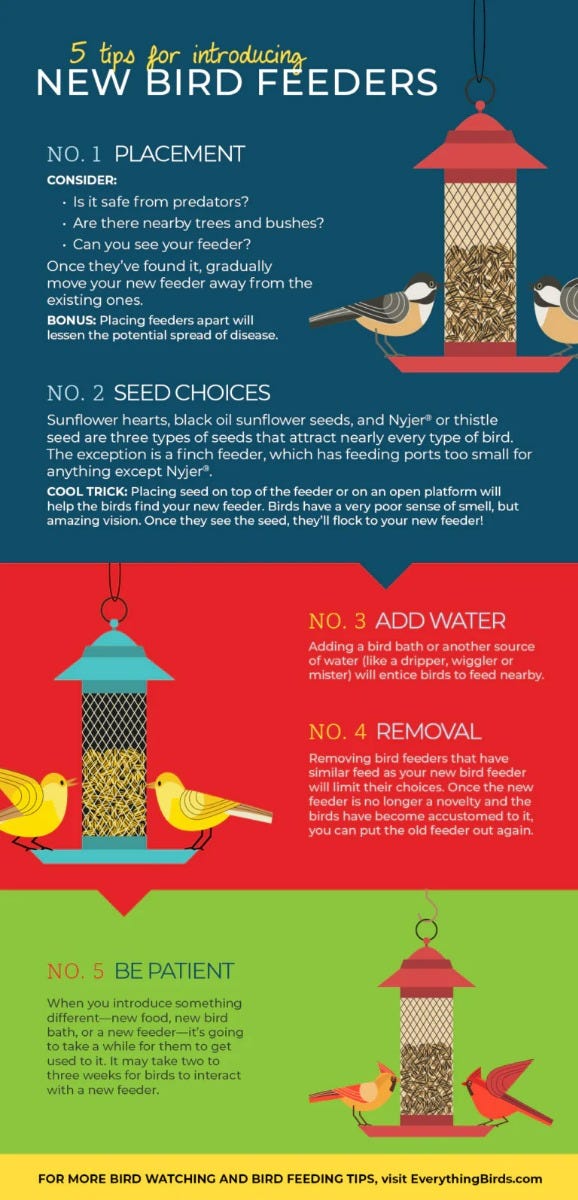
Credit: www.perkypet.com
Future Research Directions
The ability of birds to detect scents at feeders remains a mystery. Researchers continue to explore this intriguing topic. Future research directions may reveal surprising insights. These investigations can transform our understanding of avian behavior.
Emerging Technologies
Modern technology plays a key role in bird research. Advanced sensors can detect subtle bird movements and interactions. These tools provide detailed data that was previously inaccessible. Scientists use drones to observe birds from new angles. This technology offers a fresh perspective on bird behavior.
Machine learning algorithms help analyze large volumes of data. They identify patterns that human researchers might miss. Such technologies expand the scope of bird scent detection studies. They may pinpoint specific odors that birds react to. This could lead to breakthroughs in feeder design.
Potential Discoveries
Future research may uncover new aspects of avian olfactory senses. Birds might have a more refined sense of smell than known. Studies could identify specific scents that attract birds. This knowledge can optimize bird feeder placements.
Understanding bird scent detection can improve conservation efforts. It may help create environments that support bird populations. Insights from this research could influence urban planning. Cities may become more bird-friendly, enhancing biodiversity.
Research findings might impact bird watching activities. Enthusiasts could use scent-based strategies to attract birds. This knowledge enriches the bird watching experience. It connects people more closely with nature.
Frequently Asked Questions
Can Birds Smell Food In Feeders?
Birds primarily rely on sight and sound to find feeders. Their sense of smell is not well-developed compared to other animals. While some species may have a slight ability to detect food scents, they usually locate feeders visually or through communication with other birds.
How Do Birds Find Feeders?
Birds find feeders by sight and social cues. Bright colors and movement attract them. Observing other birds at a feeder can also lead them to discover it. Auditory signals, like the sound of birds eating or calling, may further guide them to food sources.
Do Bird Feeders Need Special Scents?
Bird feeders don't need special scents to attract birds. Birds rely more on visual cues. Bright colors and movement are effective attractants. Offering preferred seeds or food types will naturally draw birds to feeders without needing additional scents.
Can Birds Smell Seeds In Feeders?
Birds have limited ability to smell seeds. They find feeders visually and through social interactions. The appearance of the feeder and the presence of other birds are more influential. Providing their favorite seeds will attract them, regardless of scent.
Conclusion
Birds have a fascinating sense of smell. They can detect scents, but not like humans. Their ability to find food relies on sight and location more than smell. Bird feeders attract them visually and by routine. Observing birds' behaviors helps understand their feeding habits.
Offering a variety of seeds and maintaining clean feeders ensures visits. While smell plays a minor role, sight is key in guiding birds. Creating a welcoming environment keeps birds returning. Understanding these aspects enriches bird-watching experiences and promotes successful bird feeding.
Enjoy the beauty and joy birds bring to your garden!