


Have you ever found yourself with a handful of popcorn kernels and wondered if your feathered friends might enjoy them? The idea might seem innocent enough, but is it safe for birds to munch on these tiny, unpopped treats?
You'll discover the truth about feeding popcorn kernels to birds, and why it matters for their health and happiness. We'll unravel the mysteries of bird diets, offering insights that might just surprise you. So, before you toss those kernels into the backyard, take a moment to learn how your actions could impact the vibrant wildlife around you.
Your curiosity could make a world of difference for our winged companions!
Birds And Their Diet
Popcorn kernels pose a risk to birds, as they can be difficult to digest. Birds benefit more from seeds and grains that are softer and easier to consume. Providing a variety of safe food options helps ensure their well-being.
Birds and Their Diet When you think about feeding birds, you probably imagine scattering seeds or tossing breadcrumbs. But birds are more complex eaters than you might assume. Their diet can vary widely, and what you feed them can impact their health and well-being. Ever considered popcorn kernels as a snack for your feathered friends? Let's dive into the details of what birds should eat.
Understanding Bird Nutrition
Birds need a balanced diet to thrive. This includes a mix of seeds, fruits, insects, and even small animals for some species. Each bird species has its own nutritional needs. For instance, parrots enjoy a mix of fruits and nuts, while finches may prefer seeds. Understanding this helps you provide the right nutrition when feeding them.
Are Popcorn Kernels Safe?
You might wonder if popcorn kernels are a suitable option. Kernels are hard and can be difficult for some birds to digest. Birds with strong beaks, like parrots, might manage them, but smaller birds could struggle. Always consider the bird's size and beak strength before offering popcorn kernels.
Potential Risks Of Popcorn Kernels
Feeding birds popcorn kernels comes with risks. Hard kernels can cause choking or digestive issues. Birds may also avoid eating them if they find them too challenging to crack open. You wouldn't want to offer a snack that poses a danger to their health. Always prioritize safety when choosing bird treats.
Alternative Snacks For Birds
If popcorn kernels seem risky, there are safer options. Seeds, fresh fruits, and nuts are excellent alternatives. Even unsalted, air-popped popcorn can be a better choice than unpopped kernels. Consider offering a variety of these snacks to keep the birds coming back for more.
Personal Experience With Bird Feeding
I remember offering popcorn kernels to a group of curious sparrows in my backyard. They pecked at them but seemed uninterested, moving on to sunflower seeds instead. This taught me the importance of understanding their preferences and nutritional needs. Have you had a similar experience? How do you choose what to feed the birds in your area? By considering these factors, you can make informed decisions about feeding birds in your garden or neighborhood. Your choice could make a difference in their health and happiness. What will you try feeding them next?
Credit: www.allaboutbirds.org
Popcorn Kernels: Composition
Popcorn kernels are a common snack for humans. But what about birds? Understanding the composition of popcorn kernels helps determine their suitability for birds. Let's delve into what makes up these kernels.
Water Content
Popcorn kernels contain a significant amount of water. This moisture is trapped inside the kernel. When heated, it turns into steam. The pressure of the steam causes the kernel to pop.
Starch Content
Inside each kernel, there is a large amount of starch. This starch expands and becomes fluffy when the kernel pops. Birds may find this starch difficult to digest.
Fiber Content
Popcorn kernels have a fibrous outer shell. This shell is tough and not easily digestible. Birds might struggle to break it down in their digestive systems.
Protein Content
Popcorn kernels contain some protein. This protein is not a complete source of nutrition for birds. They need a more varied diet to meet their protein needs.
Fat Content
There is a minimal amount of fat in popcorn kernels. Birds require some fat in their diet. But kernels alone do not provide sufficient fat.
Mineral Content
Popcorn kernels contain small amounts of minerals. These include magnesium and phosphorus. But they do not provide enough minerals for a bird's diet.
Potential Risks Of Feeding Kernels
Feeding birds might seem fun, but popcorn kernels can be risky. Birds have sensitive digestive systems and small throats. These factors make kernels potentially dangerous. Understanding these risks helps in making safe feeding choices.
Digestive Issues
Birds find popcorn kernels hard to digest. The kernels are tough and dry. Birds may struggle to break them down. This can lead to blockages in their digestive tract. Blockages cause discomfort and may lead to severe health problems. Always choose softer foods for birds.
Choking Hazards
Choking is another risk with popcorn kernels. Birds have small throats. A kernel can easily get stuck. This can cause panic and distress. In worst cases, it may be fatal. Avoid giving birds hard or large pieces of food. Opt for bird-friendly seeds or fruits.
Nutritional Value Of Kernels
Understanding the nutritional value of popcorn kernels is crucial for bird care. Kernels offer some benefits but also come with certain limitations. Let's dive into what these tiny grains can offer to our feathered friends.
Protein Content
Popcorn kernels contain a modest amount of protein. Protein is vital for birds' muscle health and growth. While not high in protein, kernels can supplement other protein sources in a bird's diet.
Carbohydrates
Kernels are rich in carbohydrates, providing energy for active birds. Birds often need energy for flying and daily activities. Carbohydrates from kernels can help meet these energy needs.
Fiber
Popcorn kernels have fiber that aids in digestion. Fiber helps keep a bird's digestive system functioning smoothly. It's a small but beneficial component of their diet.
Fat Content
Kernels have low fat content, making them a lighter option. This can be beneficial for birds needing a low-fat diet. Not all birds need extra fat, so kernels can be a good choice.
Vitamins And Minerals
Popcorn kernels offer minimal vitamins and minerals. They are not a significant source of essential nutrients. Birds need a varied diet to get all necessary vitamins and minerals.
In summary, kernels can be part of a balanced diet for birds. They provide energy and fiber but lack essential nutrients. It's important to offer a diverse range of foods to meet all of a bird's dietary needs.
Safe Alternatives For Birds
Feeding birds popcorn kernels is not recommended. Kernels can be hard and difficult to digest. Opt for seeds or grains instead, ensuring birds receive safe and nutritious food options.
When considering what to feed your feathered friends, safety should be your top priority. Although popcorn kernels may seem harmless, they aren't the best choice for birds. They can be difficult to digest and may cause harm. Fortunately, there are plenty of safe alternatives that can keep your backyard visitors healthy and happy. Let’s explore some nutritious options that you can easily provide.
Seeds And Grains
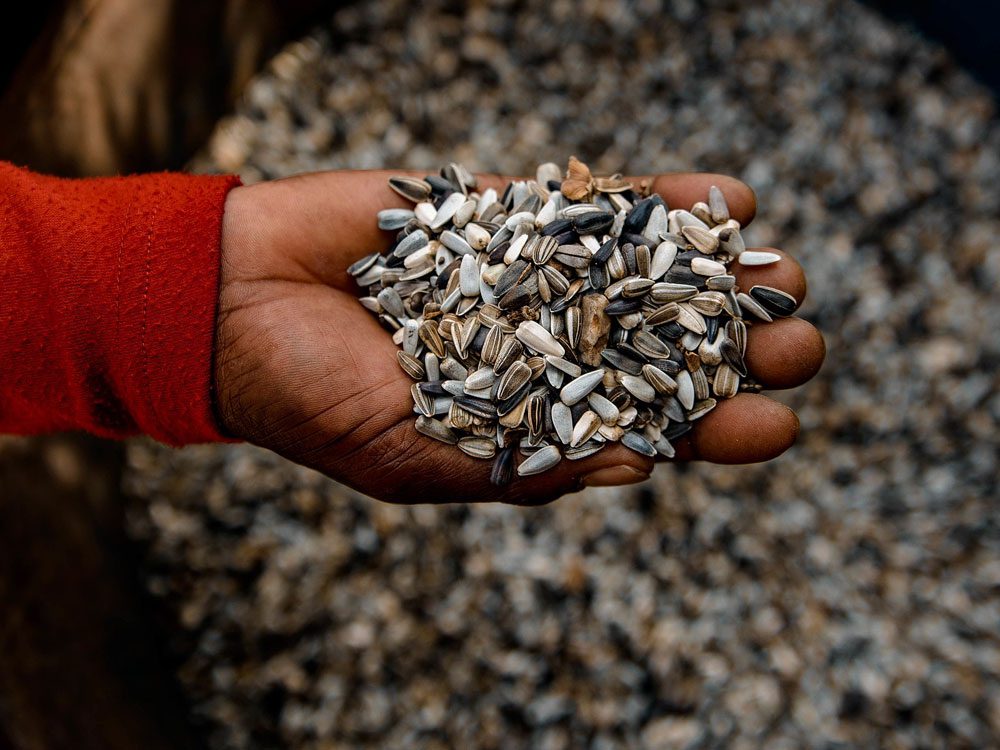
Birds love seeds and grains, making them a perfect choice for your backyard feeding station. Black-oil sunflower seeds are a favorite among many bird species. They are easy to crack open and provide essential nutrients. Millet is another excellent option, particularly for smaller birds like finches and sparrows. It’s a staple in many commercial birdseed mixes. You might notice an increase in bird traffic when you add these to your feeders. Consider offering cracked corn as well. It’s a great source of energy, especially in colder months. Just make sure to provide it in moderation to avoid attracting unwanted pests.
Fruits And Vegetables
Fruits and vegetables can be a delightful treat for birds. Apples, when sliced and cored, are a big hit. They provide natural sugars and hydration. Berries such as blueberries and raspberries are not only tasty but also packed with antioxidants. You might be surprised at how quickly they disappear from your feeder. Carrots and peas are nutritious vegetables you can offer. Chop them into small pieces to make them easier for birds to consume. It’s fascinating to observe which birds are attracted to these colorful options. By providing these safe alternatives, you can create a thriving environment for the birds in your area. Have you noticed how different foods attract different species? Tailoring your offerings can lead to exciting birdwatching experiences right from your backyard.
Signs Of Distress In Birds
Feeding birds can be a delightful pastime, but it’s crucial to ensure you're offering them safe snacks. Popcorn kernels might seem harmless, but they can lead to distress in birds if not properly prepared. Recognizing signs of distress can prevent serious health issues. Let’s dive into how you can identify these signs in your feathered friends.
Behavioral Changes
Birds in distress might display noticeable behavioral changes. If your usually chirpy bird becomes unusually silent, that's a red flag. Watch out for erratic movements or an unwillingness to fly. These can indicate discomfort or confusion.
Imagine your bird pacing nervously or repetitively pecking at its surroundings. These actions often signal anxiety or distress. Have you ever noticed a bird hiding more than usual? It might be trying to escape a perceived threat.
Physical Symptoms
Physical symptoms can be more alarming. Look for labored breathing or puffed-up feathers. These are often immediate signs of physical distress. Drooping wings or a swollen abdomen can also be critical indicators.
Examine your bird’s droppings for changes in consistency or color. Unusual droppings often suggest digestive issues. Observing changes in eating patterns can be a vital clue. Is your bird eating less or not at all? This might be due to discomfort from improper food like popcorn kernels.
Have you ever considered what your bird might be trying to tell you through its actions? Recognizing these signs early can make all the difference. Keep a vigilant eye and trust your instincts when you suspect something is off.
Expert Opinions
Expert opinions reveal that feeding birds popcorn kernels can be harmful. Birds struggle to digest hard kernels. Soft, popped corn is safer for their consumption.
Feeding birds can be a delightful experience, but what about popcorn kernels? Some bird enthusiasts swear by them, while others raise concerns. Expert opinions on this topic vary, and understanding these insights can help you make informed choices about what you place in your bird feeder.
Are Popcorn Kernels Safe For Birds?
Bird experts often debate the safety of feeding popcorn kernels to birds. Some argue that uncooked kernels are too hard and can be difficult for birds to digest. Others believe that birds can handle them, likening the kernels to the hard seeds they naturally consume.
Nutritional Value Of Popcorn Kernels
Nutrition specialists highlight that popcorn kernels are primarily composed of carbohydrates. While birds need energy, they also require proteins, fats, and vitamins for a balanced diet. Experts suggest complementing popcorn kernels with seeds and fruits to ensure birds receive a diverse range of nutrients.
Veterinarian Insights
Veterinarians weigh in with caution, noting that certain species might struggle with popcorn kernels. They advise observing birds after feeding them to check for signs of distress or difficulty in consuming the kernels. Veterinarians recommend erring on the side of caution, especially if you’re feeding smaller birds.
Personal Experience: Trial And Error
As a bird lover, I tried offering popcorn kernels to my backyard visitors. Initially, the larger birds seemed intrigued, while the smaller ones hesitated. This observation aligns with expert advice, suggesting that different birds have varying preferences and abilities.
Questions To Consider
How do your local birds react to popcorn kernels? Does their behavior change with different weather conditions or seasons? Observing and experimenting can lead to valuable insights, helping you tailor your bird feeding approach. Understanding these expert opinions can guide your decisions. By considering safety, nutrition, and personal observations, you can contribute positively to your local bird community.

Credit: www.amazon.com
Responsible Bird Feeding
Feeding birds the wrong foods can harm them. Popcorn kernels are too hard for birds to digest. Opt for birdseed or fruits instead to keep them healthy.
Feeding birds can be a delightful experience, but it also comes with responsibility. Birds rely on natural food sources, but supplemental feeding can help, especially in urban areas. However, not all human foods are safe for birds. Understanding what is safe ensures you protect their health while enjoying their company.
Understanding Bird Nutrition
Birds need a balanced diet to thrive. Their nutritional needs differ from humans, and feeding them the wrong foods can be harmful. Seeds, fruits, and insects form the core of their natural diet. When you consider adding something like popcorn kernels, it's essential to evaluate their nutritional value and safety.
Is Popcorn Safe For Birds?
Popcorn can be safe if prepared correctly. Plain, air-popped popcorn without any salt, butter, or additives can be an occasional treat. However, unpopped kernels can pose a choking hazard. Always ensure any popcorn offered is fully popped to prevent potential harm.
Benefits And Risks
Offering popcorn can be entertaining as you watch birds enjoy a snack. But remember, moderation is key. Excessive feeding can lead to nutritional imbalances and dependency. Consider popcorn as an occasional treat rather than a staple. How often do you find yourself reaching for a treat instead of a meal? Birds have similar temptations!
Alternatives To Popcorn
If you're unsure about popcorn, there are safer alternatives. Offer seeds like sunflower or millet, which are more nutritionally appropriate. Fresh fruits and vegetables can also be great options. Have you ever tried offering a mix of these? Watching birds enjoy a varied diet can be rewarding.
Feeding Tips For Beginners
Start small and observe how birds react to new foods. Ensure feeding areas are clean to prevent disease. Rotate different foods to provide variety and encourage natural foraging behaviors. What foods do you find birds in your area enjoy the most? Your observations can guide better feeding choices. Feeding birds responsibly enriches both your life and theirs. By making informed choices, you can enjoy the presence of these feathered friends while ensuring their well-being. What steps will you take today to become a more responsible bird feeder?

Credit: www.amazon.com
Frequently Asked Questions
Is Popcorn Safe For Birds To Eat?
Popcorn is safe for birds if it's plain and unsalted. Avoid buttered or flavored popcorn, as it can harm birds. Plain, air-popped popcorn can be a fun treat for birds occasionally, but it should not replace their regular diet.
Can Birds Digest Popcorn Kernels?
Birds can digest popcorn kernels, but they might struggle with unpopped kernels. It's best to offer popped popcorn to ensure easy digestion. Large, hard kernels can be a choking hazard or cause digestive issues for some bird species.
How To Prepare Popcorn For Birds?
To prepare popcorn for birds, pop it without oil, salt, or butter. Use an air popper for the healthiest option. Ensure the popcorn is cool before serving. Offer it as a treat rather than a meal replacement for optimal bird health.
What Are The Benefits Of Feeding Popcorn To Birds?
Feeding popcorn to birds offers minimal nutritional benefits. It provides fiber and a fun snack. It's important to keep it as an occasional treat, as a balanced diet is crucial for bird health.
Conclusion
Feeding birds popcorn kernels is not the best choice. Birds need soft food for easy digestion. Hard kernels can cause harm. Opt for seeds and fruits instead. These provide essential nutrients. Avoid processed snacks for bird safety. Fresh food keeps birds healthy and happy.
Observing local wildlife can be rewarding. Ensure you feed them safely. Protecting their natural diet is vital. Enjoy bird watching responsibly and contribute to their well-being. Your small efforts make a big difference in their lives. Keep learning about birds to enhance your backyard experience.