


Have you ever watched the joyful flutter of birds in your backyard and wondered how you can better support their diet? If so, you've probably stumbled upon the idea of feeding them mealworms.
But is it a good idea to feed birds mealworms? This question might seem simple, but it opens up a fascinating world of bird nutrition and behavior. Imagine transforming your garden into a vibrant haven that attracts diverse bird species all year round.
By the end of this article, you'll discover not just the answer, but also the secret to becoming the favorite stopover for your feathered friends. So, if you're curious about elevating your bird-feeding game and making your garden the ultimate avian paradise, keep reading!
Feeding Birds Mealworms
Birds love mealworms for their rich protein content. Offering them as food attracts various bird species to your garden. Easily available, mealworms make an excellent addition to a bird's diet.
Feeding birds mealworms can be a delightful experience for both you and the birds. These little critters are not only a high-protein treat but also a favorite among many bird species. Whether you’re a seasoned bird enthusiast or just starting, mealworms can transform your backyard into a bustling avian haven. As you observe the birds flocking to your yard, you'll feel a sense of connection with nature. Ready to learn more about how mealworms can enhance your bird-feeding routine?
Why Mealworms Are A Great Choice
Mealworms are packed with protein and are a natural food source for birds. Many species, such as robins, bluebirds, and even sparrows, enjoy them. They’re also easy to store and handle. You can keep them in a cool, dry place and they’ll remain fresh for a long time. You might be surprised to find how quickly your feathered friends will come to recognize your yard as a reliable source of food.
Types Of Mealworms: Live Vs. Dried
You can choose between live and dried mealworms, depending on your preference. Live mealworms can be more enticing for birds due to their movement, which stimulates the birds' natural hunting instincts. Dried mealworms, on the other hand, offer convenience. They require no special storage and can be easily mixed with other bird seeds. Which type do you think would attract more birds to your yard?
How To Offer Mealworms
Presenting mealworms is simple. You can scatter them directly on the ground or use a bird feeder designed for mealworms. If using a feeder, ensure it’s easily accessible and visible. You may want to start with small amounts to gauge interest from the birds. You’ll quickly learn the best way to offer these treats to your local bird population.
Best Times To Feed Mealworms
Timing can impact how many birds visit your yard. Early mornings and late afternoons are prime feeding times when birds are most active. During breeding season, mealworms can be especially beneficial as they help parent birds feed their chicks. Could your timing be the key to attracting a diverse range of birds?
Monitoring Bird Activity
Keep an eye on which birds are attracted to mealworms. Not only will you enjoy watching them, but you’ll also learn which species frequent your area. This information can help you adjust your feeding strategy to suit the needs of different birds. Have you ever noticed unexpected visitors in your yard?
Benefits Beyond Feeding
Feeding birds mealworms can have benefits beyond just attracting them. Observing birds can be therapeutic, offering a moment of peace in your busy day. Plus, it contributes to local wildlife health by providing a reliable food source. How might mealworms enrich your connection with nature? Feeding birds mealworms can be a rewarding activity that brings life to your backyard. It's not just about feeding; it's about nurturing and observing nature at its best. Are you ready to make mealworms part of your bird-feeding routine?

Credit: www.vinehousefarm.co.uk
Types Of Mealworms
Feeding birds mealworms can be an exciting way to attract a variety of feathered friends to your backyard. Mealworms are a protein-rich treat that can entice birds to visit more frequently. But did you know that there are different types of mealworms you can offer? Let's dive into the world of live and dried mealworms to discover which might be the best option for your bird-feeding routine.
Live Mealworms
Live mealworms are a real treat for birds. Watching birds actively hunt and peck at them can be an exhilarating experience. Live mealworms offer a fresh source of protein that can energize birds, especially during breeding season.
Handling live mealworms can be a bit tricky, though. They require proper storage and care to keep them alive. Many bird enthusiasts like you use small containers with air holes to store them. You might even find yourself chatting with the neighbors about how lively the birds have become thanks to these wriggly snacks.
Dried Mealworms
Dried mealworms offer convenience that live ones can't. They are easy to store and don't require refrigeration. Simply keep them in a cool, dry place and they're ready to serve whenever you want.
Though not as nutritious as live mealworms, dried ones are still a favorite among many bird species. You might notice a flock of birds visiting your garden more often when you sprinkle dried mealworms around. Plus, they're less likely to escape and crawl away!
When choosing between live and dried mealworms, consider your lifestyle and the bird species you're trying to attract. How much time do you have to care for live mealworms? Are you looking for a quick and easy feeding solution? These questions can guide your decision.
Nutritional Benefits
Feeding birds mealworms can provide numerous nutritional benefits. These tiny creatures are packed with essential nutrients that support a bird's health. Birds can enjoy stronger feathers and more energy from these benefits. Mealworms are a favorite treat for many bird species, providing them with a natural source of nutrition.
Protein Content
Mealworms are rich in protein, which is crucial for birds. Protein helps with muscle growth and repair. It also supports healthy feather development. For young birds, protein is essential for their growth. Adult birds benefit from protein for maintaining energy levels. Mealworms offer a high protein content that is easily digestible.
Vitamins And Minerals
Mealworms contain various vitamins and minerals vital for birds. They provide vitamin B, which aids in energy production. Vitamin B is also important for brain function and nervous system health. Mealworms have iron, which supports blood health. They also contain potassium, which helps with muscle function. Including mealworms in a bird's diet ensures they receive these essential nutrients.
Bird Species That Enjoy Mealworms
Feeding birds can be a delightful hobby. Offering mealworms attracts various bird species. Mealworms are nutritious and appealing to many birds. They are rich in protein and easy to digest. Let's explore which birds love mealworms the most.
Songbirds
Songbirds are frequent visitors to backyard feeders. Bluebirds love the taste of mealworms. They are drawn to the protein-rich snack. Robins also enjoy feasting on mealworms. Mealworms provide them energy for their active lifestyle. Wrens are another songbird that appreciates mealworms. They find them easy to catch and consume. Mealworms can make any garden a songbird paradise.
Wild Birds
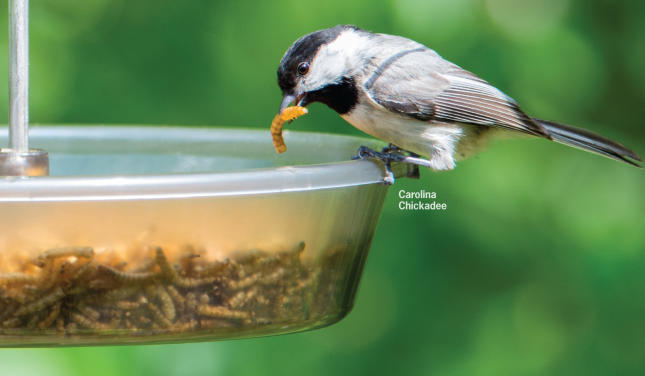
Wild birds benefit from mealworms too. Sparrows often include mealworms in their diet. They find them nutritious and satisfying. Chickadees are also fans of mealworms. They savor the taste and ease of eating them. Thrushes can’t resist mealworms either. They provide essential nutrients for these birds. Offering mealworms can attract a variety of wild birds.
How To Serve Mealworms
Birds enjoy mealworms as a tasty treat. These protein-rich larvae are ideal for attracting feathered friends to your garden. Serve them fresh or dried in bird feeders to watch your avian visitors thrive.
When you decide to feed birds mealworms, knowing how to serve them is crucial. Mealworms are a nutritious treat for many bird species, including bluebirds, robins, and chickadees. Serving them correctly can attract a diverse range of feathered friends to your garden. But how exactly should you go about it?
Feeding Techniques
You have a few options when it comes to serving mealworms. Live mealworms are often more appealing to birds due to their movement, which catches the birds' attention. You can place them in a shallow dish or feeder to prevent them from crawling away. If the idea of handling live worms isn't appealing, dried mealworms are a convenient alternative. Simply sprinkle them around bird feeders or mix them with birdseed. Both methods have their advantages, so consider what's best for your garden and your comfort level.
Best Practices
When feeding mealworms, moderation is key. Birds need a balanced diet, and mealworms should be a supplement, not the main course. Consider the season: Offer more mealworms during nesting season when birds need extra protein for their young. Always use clean dishes or feeders to prevent disease. If you find that mealworms are attracting unwanted pests, try offering them during specific times of the day and remove any leftovers promptly. Have you ever noticed birds ignoring mealworms in your yard? It might be the serving style or location. Experiment with different techniques and observe what works best for your local birds. Engaging with your garden's ecosystem can be a rewarding experience, offering insights into the natural world right outside your window.

Credit: unclejimswormfarm.com
Where To Purchase Mealworms
Bird enthusiasts often wonder about feeding birds mealworms. These protein-rich snacks are available at pet stores, online retailers, and local garden centers. Offering mealworms can attract various bird species to your garden.
Where to Purchase Mealworms Mealworms are a popular food source for birds. They are nutritious and easy to store. If you want to attract more birds to your garden, consider offering mealworms. But where can you find them?
Local Pet Stores
Local pet stores are a great option for buying mealworms. They often carry mealworms in both live and dried forms. Visit a store near you and explore their selection. You can ask staff for advice on bird feeding. They may suggest the best type of mealworms for your needs. Supporting local stores helps your community too.
Online Retailers
Online retailers offer convenience and variety. Many websites sell mealworms and deliver them to your door. Search for trusted brands and read customer reviews. This helps in choosing quality mealworms. Check if the retailer offers discounts for bulk purchases. You might save money and have enough stock for weeks.
Potential Risks And Precautions
Feeding birds mealworms can pose health risks if hygiene is overlooked. Ensure mealworms are fresh to prevent illness. Store them properly to avoid contamination and monitor birds for any adverse reactions. Regularly clean feeders and surroundings to minimize bacterial spread.
Feeding birds mealworms can be a delightful experience, but it's essential to be aware of potential risks and precautions. Mealworms are rich in protein, making them a nutritious treat for birds. However, there are a few considerations you should keep in mind to ensure the health and well-being of your feathered friends.
Overfeeding Concerns
Overfeeding birds with mealworms may lead to health issues. Birds can become reliant on these treats, which might cause them to neglect other food sources. This reliance can lead to nutritional imbalances. Think about the variety in your own diet. Imagine eating only your favorite snack every day. You wouldn't get all the nutrients you need, right? Birds need the same diversity in their diet. It's also worth considering the impact on bird behavior. Have you noticed birds flocking to your feeder more aggressively when you provide mealworms? This may disrupt their natural feeding habits.
Storage Tips
Proper storage of mealworms is crucial to maintain their quality and prevent spoilage. Mealworms should be stored in a cool, dry place to avoid mold and deterioration. Have you ever opened a container of mealworms only to find them spoiled? This can be disappointing and wasteful. Check the storage conditions regularly to prevent this. Consider using airtight containers. This not only keeps them fresh but also prevents unwanted pests from getting in. Think of it as safeguarding your bird treats, much like you would with your own snacks. By being mindful of these risks and precautions, you can ensure a safe and enjoyable feeding experience for the birds in your garden. Wouldn't you want to create a balanced and welcoming environment for your avian visitors?
Impact On Bird Health
Feeding birds mealworms can significantly impact their health. Mealworms are rich in nutrients that birds need. They are especially beneficial during breeding and migration. Birds rely on mealworms for energy and growth. Let's explore how mealworms improve bird health.
Improved Energy Levels
Mealworms provide a high-protein diet for birds. This boosts their energy levels. Birds need extra energy during long flights. They also need it during cold months. Mealworms are an excellent energy source. They are easy for birds to digest. This means quick energy release. Birds can fly longer and stay active.
Enhanced Growth
Young birds require nutrients to grow properly. Mealworms offer essential proteins and fats. These nutrients support healthy development. They help in building strong muscles and feathers. Mealworms also aid in bone growth. A diet rich in mealworms ensures better survival rates. This is crucial for young birds in their early days.
Eco-friendly Considerations
Feeding birds mealworms offers a sustainable food source that supports local wildlife. Mealworms provide essential nutrients and help maintain bird health. Choose dried mealworms to reduce waste and ensure a longer shelf life, making them an eco-friendly option for bird enthusiasts.
Feeding birds mealworms can be an exciting endeavor, but it's essential to consider the ecological footprint of your bird-feeding habits. Eco-friendly considerations don't just benefit the environment; they also ensure that you contribute positively to the biodiversity around you. It's worth thinking about how sustainable farming and environmental impact play roles in your choices.
Sustainable Farming
Mealworms are increasingly farmed using sustainable methods. Some farms use organic waste to feed mealworms, reducing landfill contributions. You might want to check if the mealworms you purchase are from farms that prioritize eco-friendly practices. Choosing mealworms from sustainable sources supports farmers who care about the planet. This can encourage more farms to adopt greener methods. Are you mindful of where your mealworms come from?
Environmental Impact
Feeding birds mealworms can have a positive environmental impact. Birds that eat mealworms may help control pest populations in your area. This natural pest control reduces the need for harmful chemicals. Consider how your bird-feeding habits affect local ecosystems. Supporting birds with mealworms can contribute to maintaining balanced wildlife. What small changes can you make to amplify your positive impact? Incorporating eco-friendly practices into bird feeding can lead to meaningful contributions to environmental preservation. Make informed choices, and you can enjoy watching birds thrive while being a responsible steward of the earth.
Credit: westchester.wbu.com
Frequently Asked Questions
Are Mealworms Good For Birds?
Yes, mealworms are an excellent protein source for birds. They provide essential nutrients that help in growth and development. Many bird species enjoy them as a snack or supplement. Mealworms can be fed live or dried. Always ensure to source them from reputable suppliers to maintain quality.
How Often Should I Feed Mealworms To Birds?
Feeding mealworms to birds should be done in moderation. They are rich in protein and can be a treat. Offer them a few times a week alongside other bird foods. Overfeeding mealworms can lead to an unbalanced diet. Always ensure a variety in the bird's diet for optimal health.
Can All Birds Eat Mealworms?
Most birds can eat mealworms, but not all. Birds like bluebirds, robins, and sparrows enjoy mealworms. However, some birds may not show interest. It's best to observe and see if your local birds take to them. Always introduce new food gradually to birds.
Where To Buy Mealworms For Birds?
You can purchase mealworms from pet stores, garden centers, or online. Ensure they are intended for bird consumption and are of high quality. Buying from a reputable source guarantees they are safe and nutritious. Some suppliers offer live and dried options for convenience.
Conclusion
Feeding birds mealworms is a simple and rewarding activity. Birds love them. Mealworms provide essential nutrients. Easy to find at pet stores. Great for attracting more birds. Perfect for birdwatching enthusiasts. They boost birds' diet naturally. Mealworms are safe for most bird species.
Just ensure they are fresh. Keep them dry and clean. Monitor birds' response to mealworms. Adjust quantity based on their needs. A fun way to support wildlife. Enjoy watching birds thrive and sing. It's a joyful experience for nature lovers.
Give it a try in your backyard.