


Have you ever found yourself with a handful of raisins and wondered if your feathered friends would enjoy them as much as you do? It's a question that might have crossed your mind while watching birds chirping merrily in your backyard.
You might be tempted to toss them a few raisins as a treat. But before you do, it's important to know if raisins are safe and beneficial for birds. Your curiosity about feeding raisins to birds could open a window to understanding more about bird nutrition, their eating habits, and how you can contribute positively to their diet.
This article will guide you through the dos and don’ts of feeding raisins to birds, ensuring you make informed choices that keep your avian visitors happy and healthy. Dive into the fascinating world of bird feeding and discover the surprising answers to your questions.
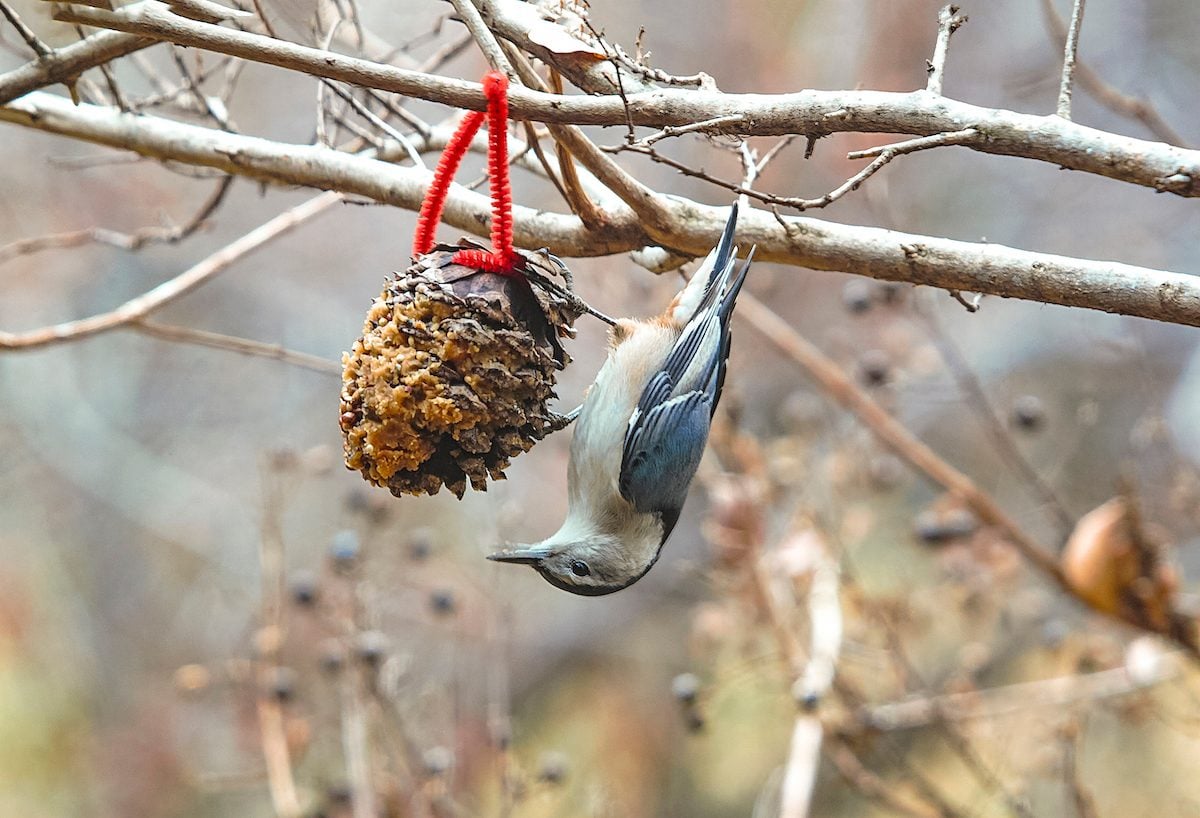
Credit: www.birdsandblooms.com
Nutritional Benefits Of Raisins For Birds
Raisins can be a healthy treat for birds, offering them natural sugars and essential nutrients. They provide energy and help maintain a balanced diet for your feathered friends. Always ensure raisins are given in moderation to avoid any digestive issues.
Feeding raisins to birds can be a delightful way to share a snack with your feathered friends while also supporting their health. Raisins, with their sweet taste and chewy texture, are not just a treat but can also provide nutritional benefits that can help birds thrive. But what exactly do these little dried fruits offer to your avian companions?
Vitamins And Minerals
Raisins are packed with essential vitamins and minerals that can benefit birds. They contain vitamin C, which can boost a bird's immune system, helping them fight off illnesses. Additionally, raisins are a good source of potassium, which supports muscle function and heart health in birds. Think about the balance these nutrients provide. Just as we need a mix of vitamins and minerals for optimal health, birds do too. Have you ever noticed how vibrant and energetic birds are when they have a balanced diet?
Energy Boost
Birds, especially smaller ones, have high metabolisms and need plenty of energy. Raisins are rich in natural sugars like glucose and fructose, providing a quick and efficient energy source. This makes them an excellent snack during colder months or migration periods when birds require extra fuel. Consider the burst of energy you get from a small snack during a busy day. Birds experience something similar with raisins. Have you ever wondered how birds maintain such lively activity throughout the day? A little energy boost from raisins might just be their secret weapon. Incorporating raisins into a bird's diet can be simple. You can chop them up and mix them with seeds or scatter them on a bird feeder. Remember, moderation is key to maintaining a balanced diet. How do you plan to add raisins to your bird-feeding routine?
Potential Risks Of Feeding Raisins
Feeding raisins to birds can pose potential risks. These dried fruits may cause digestive issues or choking hazards. Always ensure safe, appropriate treats for feathered friends.
Feeding raisins to birds might seem harmless. But there are risks involved. Raisins are tasty and birds may enjoy them. Yet, some dangers lurk beneath the surface. Raisins can affect birds' health in several ways. Let's explore two main concerns.
Sugar Content Concerns
Raisins contain high sugar levels. This natural sweetness can cause problems. Birds don't need much sugar in their diet. Excess sugar can lead to weight gain. It may even cause long-term health issues. Birds eating too many raisins might face these risks. Keep their sugar intake low for best health.
Digestive Issues
Raisins can cause digestive problems for birds. Birds' stomachs aren't meant for certain foods. Raisins may upset their digestive systems. Some birds might struggle to digest them properly. This can lead to discomfort and health issues. Provide safe and suitable food options instead. `
Safe Ways To Offer Raisins
Offering raisins to birds can be a delightful treat if done safely. Raisins are sweet and packed with energy, making them appealing to many bird species. However, you need to be mindful of how you present them. Let's explore some safe ways to offer raisins to your feathered friends.
Appropriate Portions
When feeding raisins to birds, portion size matters. Birds have small stomachs, so just a few raisins go a long way. Too many raisins can lead to digestive issues. Aim for two to three raisins per bird. You can scatter them in a bird feeder or place them on a flat surface where birds can easily spot them.
Have you ever noticed birds picking at tiny seeds? They don't need large amounts of food, just enough to fuel their flight. Think of raisins as a special dessert, not the main meal. By offering small quantities, you ensure they're enjoying a treat without overindulgence.
Fresh Vs. Dried Raisins
Birds can eat both fresh and dried raisins. Fresh raisins are juicier and might appeal to birds more during hot weather when they need hydration. Dried raisins are chewy and packed with nutrients, ideal for colder months when birds require extra energy.
Consider your local climate and the season. On a warm summer day, you might find birds prefer fresh, juicy raisins. In winter, dried raisins can be a welcome energy boost. Imagine birds hopping around, selecting raisins based on their current needs. It's fascinating to see their preferences change with the weather!
As you watch the birds nibble on raisins, ask yourself: What other simple foods could bring joy to these creatures? By observing their behavior, you gain insight into their dietary preferences and enhance your bird-feeding experience.
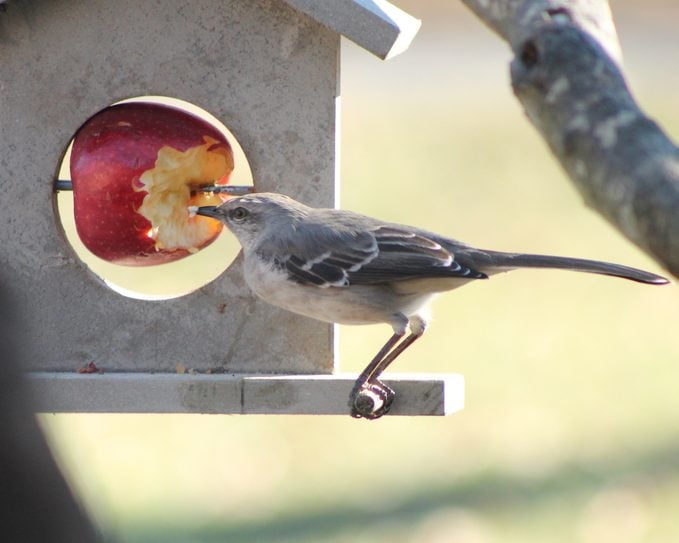
Credit: www.birdsandblooms.com
Bird Species That Can Eat Raisins
Raisins are dried grapes that birds can enjoy. Many bird species find them tasty. The natural sugar in raisins offers energy. Raisins also provide nutrients. But not all birds can eat them. Some birds love them, while others might not. Understanding which birds can eat raisins helps in feeding them correctly.
Common Backyard Birds
Many backyard birds eat raisins. Sparrows are known to enjoy them. They are small birds often seen in gardens. Blackbirds also like raisins. Their strong beaks help them peck at the dried fruit. Robins are another species that find raisins delicious. These birds are often spotted hunting for worms. Raisins are a sweet alternative for them. Blue jays also show interest in raisins. Their bright blue color makes them easy to recognize. Blue jays have a varied diet, and raisins add variety. Feeding these birds raisins can attract them to your garden.
Exotic Birds
Exotic birds can eat raisins too. Parrots are a common exotic bird that enjoys them. Raisins add sweetness to their diet. Cockatoos, known for their beautiful feathers, also enjoy raisins. They have strong beaks that break down the fruit easily. Raisins can be a treat for these birds. Lovebirds are another exotic species that eat raisins. Their small size makes them charming pets. Raisins provide them with energy and nutrients. Feeding raisins to these birds can be a healthy choice.
Alternatives To Raisins
Birds can eat raisins, but alternatives like dried cranberries or chopped dates offer variety. Fresh fruits like apples and berries also make great bird snacks. These options provide essential nutrients without the sugar overload of raisins.
If you've ever wondered about giving raisins to birds, you're not alone. Raisins can be a tasty treat for some feathered friends, but it's important to explore alternatives that might offer more nutritional benefits or variety. As you consider different snacks for your backyard visitors, think about what you might already have in your kitchen. You might be surprised at how many bird-friendly treats are readily available.
Other Dried Fruits
Many dried fruits can serve as excellent alternatives to raisins. Apricots, cranberries, and currants are good options. They provide essential nutrients and can attract a variety of bird species. Be sure to choose dried fruits without added sugars or preservatives. Birds don't need extra sugar in their diet, and additives can be harmful. Chop the fruits into small pieces to make them easier for birds to eat. A simple mix of different dried fruits can make your bird feeder a popular spot.
Fresh Fruit Options
Fresh fruits can be a delightful treat for birds, offering both hydration and nutrition. Apples, bananas, and berries are great choices. They are easy to find in most households and can attract colorful birds to your yard. Slice or chop fresh fruits into small pieces. This makes it easier for birds to consume and reduces waste. Have you ever noticed birds flocking to a fruit tree in your yard? Consider offering those same fruits in your feeder. You might witness a bustling scene of feathered visitors enjoying a natural feast. Do you have other creative fruit options that birds love? Share your thoughts in the comments below!
Signs Of Adverse Reactions
Raisins may cause birds to show signs of adverse reactions. Watch for vomiting, diarrhea, or unusual behavior. Immediate veterinary attention is advised if symptoms persist.
Feeding birds can be a delightful experience, but it’s important to ensure their safety. Raisins can be a tasty treat for birds, but like any food, they can cause adverse reactions. Understanding these signs is crucial to keeping your feathered friends healthy and happy.
Recognizing Symptoms
Birds, much like humans, can have allergies or intolerances. You might notice changes in behavior if raisins aren't sitting well with them. Look out for symptoms like lethargy or unusual aggression. Digestive issues such as diarrhea or vomiting are clear indicators. Watch for changes in droppings or reluctance to eat. Breathing difficulties or swelling can be severe. If a bird appears to be struggling to breathe or has puffiness around its eyes or beak, it’s time to act quickly.
Immediate Actions
If you spot any of these symptoms, remove raisins immediately. Switch to a diet of safe, familiar foods. This can help stabilize your bird’s condition. Consider consulting a vet, especially if severe symptoms appear. They can offer professional advice and treatment. Keep a close watch on your bird. Observing how they react over the next few hours can provide insights into their recovery and help prevent future issues. Ever wondered if it’s worth the risk to introduce new foods to your bird? By being observant and proactive, you can ensure a safe environment for them. Your vigilance is key to their well-being.
Consulting A Veterinarian
Feeding raisins to birds can be tricky. Some birds love them, but safety is important. Raisins can be harmful to birds if not given correctly. Consulting a veterinarian helps you learn what’s safe for your feathered friends. A vet can offer advice and ensure your birds stay healthy.
When To Seek Advice
If you’re unsure about feeding raisins, seek advice. Contact a vet when you notice unusual behavior in birds. Raisins may affect birds differently. A vet can help if birds show signs of distress. Regular check-ups keep birds safe and healthy. Consulting a vet is wise before introducing new food.
Preparing For The Appointment
Prepare your questions before meeting the vet. Write down what you need to know. Bring any packaging of the raisins you plan to feed. This helps the vet understand the ingredients. Note any changes in your bird's behavior. Details make it easier for the vet to assist you.
Gather information about your bird’s diet. Include what they currently eat. Share any concerns you have with the vet. This ensures a productive appointment. A little preparation can make a big difference.

Credit: pettigrew-online.com
Frequently Asked Questions
Are Raisins Safe For All Bird Species?
Raisins are generally safe for many bird species. They provide natural sugars and nutrients. However, not all birds may enjoy them. Always offer them in moderation and ensure they are free of preservatives. Consult a wildlife expert if unsure about specific species.
How Should I Prepare Raisins For Birds?
Rinse raisins to remove any residues or preservatives. Soak them in water to soften, making them easier for birds to eat. This preparation is especially helpful for smaller birds or those with softer beaks. Always ensure the raisins are fresh before offering them to birds.
Can Raisins Attract Unwanted Pests To My Yard?
Yes, raisins can attract unwanted pests like rodents. It's important to monitor feeding areas and clean up uneaten raisins regularly. Use bird feeders that minimize spillage to reduce the risk of attracting pests. Properly managing feeding areas helps maintain a pest-free environment.
Do Raisins Provide Nutritional Benefits To Birds?
Raisins offer birds natural sugars, vitamins, and minerals. They provide energy and essential nutrients, especially during colder months. However, they should only be a part of a balanced diet. Birds require a variety of foods to meet their nutritional needs effectively.
Conclusion
Feeding raisins to birds can be a healthy choice. Raisins offer vitamins and minerals. Birds enjoy their sweet taste. But always feed in moderation. Too many raisins might upset their stomach. Wash them thoroughly before offering. Organic options are best.
Observe how your birds react. Each bird is unique. Some might love raisins, others not so much. Variety in their diet keeps them happy. Always prioritize fresh, clean food. Your feathered friends will thrive with balanced nutrition. Enjoy watching them nibble and play! This simple treat can make their day delightful.