


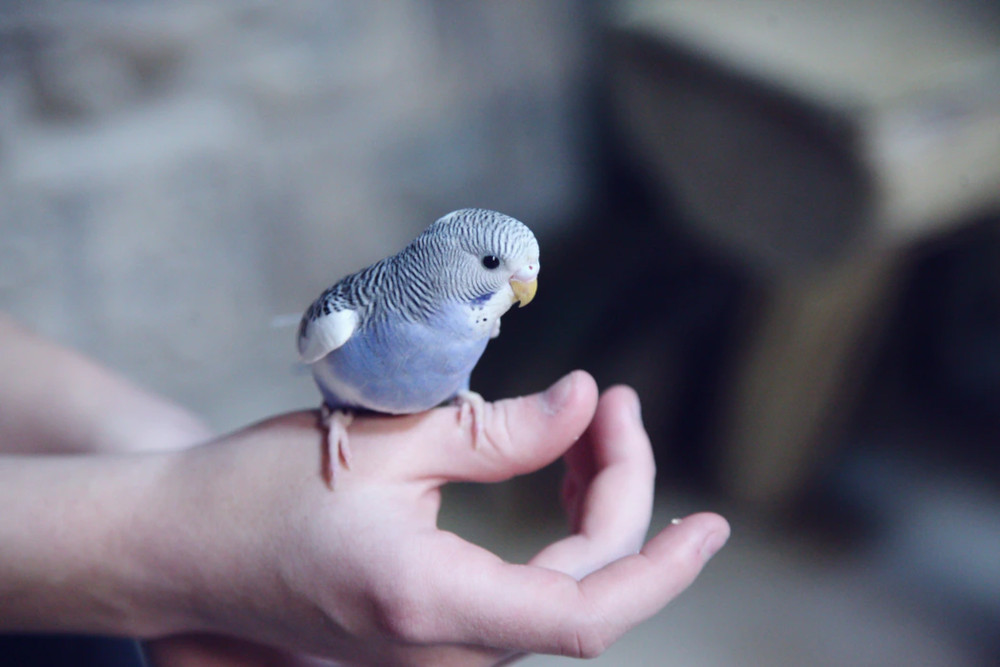
You've found a baby bird, and it's adorable. Its tiny chirps tug at your heartstrings, and you wonder, "Can I keep this baby bird as a pet?"
This is a question many animal lovers find themselves asking. You might feel an overwhelming urge to care for it, nurture it, and watch it grow. But before you make a decision, there are important considerations to keep in mind.
What does this tiny creature really need? Can you provide the right environment for it to thrive? We'll uncover the truths and dispel the myths about caring for baby birds. You'll discover the responsibilities involved, the legal aspects, and the ethical considerations. As you read on, you'll learn whether keeping a baby bird as a pet is truly the best choice for you and, more importantly, for the bird itself. Prepare to explore everything you need to know to make an informed decision that benefits both you and your feathered friend.
Credit: kb.rspca.org.au
Legal Considerations
Keeping a baby bird as a pet might seem charming. But legal aspects are critical. Understanding these laws ensures responsible pet ownership. Legal considerations protect both the bird and you. Let's explore these important aspects.
Wildlife Protection Laws
Many countries have strict wildlife protection laws. These laws prevent the capture of wild birds. The goal is to conserve natural habitats. Capturing wild birds can harm ecosystems. Always check local regulations first. These laws aim to protect biodiversity.
Permits And Licensing
Permits might be necessary for keeping wild birds. Some species require special licenses. This ensures the bird's well-being. Authorities issue permits after thorough checks. Licensing helps monitor bird populations. It also ensures proper care standards.
Ethical Implications
Keeping a baby bird as a pet comes with ethical concerns. Birds in the wild have natural roles and habitats. Removing them can disrupt these roles. It is important to consider the bird's needs and natural life.
Impact On Bird's Well-being
Birds need freedom to fly and explore. A cage limits their movement. In the wild, they learn crucial survival skills. Captivity hinders this learning. Birds may suffer from stress and anxiety in confined spaces.
Social interaction is vital for birds. They communicate and bond with others. Isolation from their species can lead to loneliness. This loneliness can cause behavioral issues.
Long-term Commitment
Caring for a bird requires dedication. Birds have long lifespans. Some species live for decades. This commitment can last a significant portion of your life.
Proper care involves daily feeding and cleaning. Birds also need mental stimulation and social interaction. This requires time and effort from the owner.
Vet visits are essential for maintaining their health. This includes routine check-ups and emergency care. Owning a bird can be costly over time.
Identifying Baby Bird Species
Keeping a baby bird as a pet requires careful consideration. Most need specialized care and a proper environment. Understanding their needs helps ensure their well-being in captivity.
Identifying a baby bird species can be quite an adventure. When you find a little feathered friend, it's essential to know what type of bird it is before considering it as a pet. This knowledge helps you understand its needs and whether it's suitable for domestication. If you've ever stumbled upon a chirping bundle, you might wonder, "What kind of bird is this?" Let's dive into identifying common baby bird types and their characteristics and habitats.
Common Baby Bird Types
When you come across a baby bird, you might find it tricky to recognize its species. Some common baby birds include robins, sparrows, and blue jays. Each of these has distinct features even at a young age. Robins often have fluffy down and a slightly speckled chest. Sparrows are smaller, with more subdued coloring. Blue jays, even as babies, may showcase hints of their iconic blue feathers. With a keen eye, you can spot differences in beak shape and feather patterns. Baby robins typically have yellow beaks, while sparrows have more pointed ones. Blue jays, on the other hand, may exhibit slight crests. Knowing these differences can help you identify and care for them accordingly.
Characteristics And Habitats
Understanding the characteristics and habitats of baby birds is crucial. Many birds thrive in specific environments that mimic their natural habitat. Robins are often found hopping around gardens, while sparrows prefer urban settings like parks. Blue jays, known for their bold personalities, enjoy wooded areas. Each bird species has unique needs related to their habitat. Robins, for instance, might require grassy spaces to forage for worms. Sparrows often seek out seeds in open areas. Blue jays may need trees for shelter and nesting. Recognizing these traits helps ensure that you're providing a suitable environment if considering keeping them as pets. Have you ever noticed the connection between a bird's behavior and its habitat? Observing these patterns can be enlightening. It might even lead you to question whether your home can truly meet the needs of a wild bird. Remember, while baby birds are undeniably cute, their long-term well-being depends on understanding their species and habitat requirements.
Caring For A Baby Bird
Keeping a baby bird as a pet poses challenges. Baby birds require special care and attention. Consider professional guidance before deciding.
Caring for a Baby Bird Thinking about keeping a baby bird as a pet? It's a delightful idea that comes with responsibilities. Caring for a baby bird requires time, knowledge, and dedication. You need to understand their unique needs to ensure they grow into healthy adults. Let's dive into the essentials of caring for these tiny creatures.
Dietary Needs
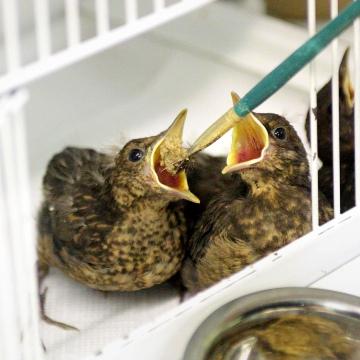
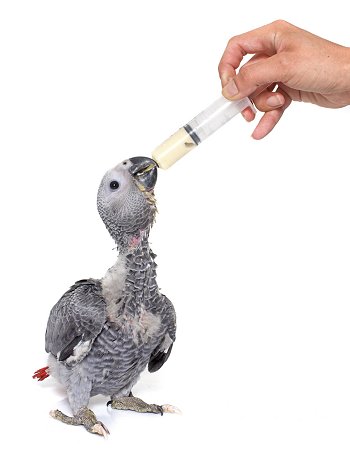
Baby birds have specific dietary requirements that are crucial for their growth. Unlike adult birds, they need a protein-rich diet. You can't just feed them birdseed. Instead, you should consider options like baby bird formula, which can be found at pet stores. Imagine the joy of watching a baby bird thrive because you provided the right nutrition. It's rewarding and fulfilling. But be cautious; overfeeding can lead to health issues. Regular, small meals are key.
Proper Housing
Creating a safe environment is vital for a baby bird. They need warmth and protection, similar to their nest in the wild. A small, secure cage lined with soft material can provide comfort. Avoid placing it in direct sunlight or drafts. Think about the satisfaction of knowing your baby bird feels safe and cozy. Use a heating pad or lamp to maintain temperature, especially for featherless chicks. Don't forget to clean the housing regularly to prevent diseases. Caring for a baby bird is not just about meeting basic needs. It's about nurturing a bond and ensuring their well-being. Are you ready to take on this responsibility and offer a little bird a chance at a happy life?
Health And Safety
Keeping a baby bird as a pet involves careful attention to health and safety. Baby birds require specialized care and diet that might be challenging for most households. Consider consulting wildlife experts to ensure proper care and avoid potential health risks to both the bird and your family.
Caring for a baby bird is a rewarding experience, but it comes with its own set of challenges, especially regarding health and safety. The delicate nature of these young creatures requires you to be extra vigilant. Understanding the signs of illness and knowing when to seek veterinary care can make a huge difference in the well-being of your feathered friend.
Signs Of Illness
Baby birds can't tell you when something is wrong. You must be observant to spot any signs of illness. Look for symptoms like excessive sneezing, coughing, or lethargy. Are the bird's feathers puffed up consistently? Changes in droppings can also be a red flag. If you notice anything unusual, it could be a sign your bird is unwell. When I first cared for a baby bird, I noticed it stopped chirping as much. A visit to the vet confirmed it had a mild infection. Taking quick action can save your bird's life. Do you know what signs to watch for in your bird?
Veterinary Care
Regular check-ups with a vet experienced in avian care are crucial. They can guide you on the right diet and environment for your baby bird. Have you considered how often your bird should see a vet? In my experience, having a vet you trust makes all the difference. When my bird was sick, early intervention by a professional meant a quick recovery. It's easy to think your bird is fine, but regular health checks can reveal issues before they become serious. Are you prepared to invest time and money in veterinary care? Your bird's health depends on it.
Remember, keeping a baby bird healthy and safe is a big responsibility. But with the right knowledge and care, you can ensure your feathered friend thrives.
Credit: www.rspca.org.uk
Training And Socialization
Caring for a baby bird requires patience and knowledge. They need special food and a safe environment. Proper training and socialization help them thrive in human homes.
Training and socialization are crucial aspects of keeping a baby bird as a pet. These processes not only help in building a strong bond between you and your feathered friend but also ensure the bird feels comfortable and secure in its new environment. It's essential to remember that while birds can be trained, their instincts and natural behaviors should be encouraged and respected.
Building Trust
Building trust with a baby bird is a delicate yet rewarding process. Start by spending time near its cage, speaking softly and offering food from your hand. Consistency is key; regular gentle interactions help the bird associate you with positive experiences. My own parakeet took a few weeks to trust me, but by offering treats and speaking gently, he eventually perched on my finger. What small steps can you take to create a bond?
Encouraging Natural Behaviors
Encouraging natural behaviors is vital for a bird's well-being. Create an environment that mimics its natural habitat with toys and perches. Allow the bird to fly freely in a safe space to maintain its physical health. Consider how you can introduce challenges that stimulate the bird's mind, like puzzle toys or foraging games. Remember, your feathered friend is wired to explore and discover. How can you support its innate curiosity? The journey of training and socializing a baby bird is one of patience and respect. Every interaction you share plays a role in nurturing a happy, healthy bird.
Alternative Solutions
Considering a baby bird as a pet can be challenging. Wildlife rehabilitation centers offer better care for young birds. These centers ensure proper feeding and a natural environment for growth.
Finding a baby bird can be a heartwarming experience, but keeping it as a pet isn't always the best idea. Instead, consider alternative solutions that prioritize the bird's well-being and natural life. When you help a baby bird thrive in its own environment, you contribute to the delicate balance of nature.
Rehabilitating And Releasing
Imagine the joy of watching a bird you've nurtured return to the wild. Rehabilitating a baby bird involves helping it grow strong enough to survive on its own. You can provide food and shelter while avoiding unnecessary handling. It's crucial to ensure the bird learns to hunt and fend for itself. This process can be rewarding, as you witness its transformation from vulnerable to self-sufficient. You play a role in restoring its chance to live freely in its natural habitat.
Contacting Wildlife Experts
When you find a baby bird, reaching out to wildlife experts can be a game-changer. These professionals have the knowledge and resources to care for the bird properly. They can guide you in making the best decisions for its future. Wildlife experts often have access to rehabilitation centers specifically designed for birds. By contacting them, you ensure the bird receives the best care possible. This way, you contribute to the bird's survival without having to keep it as a pet. Think about the impact on the bird's life when you choose to seek expert advice. Wouldn't it be wonderful to know your actions gave it a second chance at life in the wild?
Credit: www.futurepets.com
Frequently Asked Questions
Is It Legal To Keep A Baby Bird?
Keeping a wild baby bird as a pet is often illegal. Wildlife laws in many places prohibit it. Always check local regulations before considering it. These laws protect the bird's well-being and ecological balance.
How To Care For A Found Baby Bird?
If you find a baby bird, ensure it's truly abandoned. Contact a wildlife rehabilitator for guidance. They have the expertise to care for wild birds. Attempting to raise it without proper knowledge can harm the bird.
What Do Baby Birds Eat?
Baby birds need a specific diet for growth. They typically eat insects, worms, or specialized formulas. Feeding them incorrect food can be harmful. It's best to consult with a wildlife expert for dietary advice.
Can A Baby Bird Survive Without Its Mother?
A baby bird's survival without its mother is challenging. They rely on parents for warmth and feeding. Without proper care, their chances of survival decrease. It's crucial to seek help from wildlife professionals.
Conclusion
Caring for a baby bird as a pet presents challenges. Wild birds have specific needs. They require specialized care and attention. It's important to consider their natural habitat. Birds thrive best in the wild. They learn to fly and find food there.
Captivity might hinder their growth and development. It's best to contact wildlife experts or rehabilitators. They can provide the right guidance. Helping a bird return to nature is rewarding. It ensures their best chance for a healthy life. Always prioritize the bird's well-being and future.
Make informed choices for the little creature's benefit.