


Have you ever wondered about the possibility of keeping a wild bird as a pet? Maybe you've seen a stunning bird in your backyard and imagined it perched in your living room.
The vibrant colors and fascinating behaviors of these creatures can indeed be captivating. But before you take the leap, there are essential things you need to know. This is not just about whether you can provide a cage or feed them seeds.
Keeping a wild bird involves understanding its unique needs and the legal implications. You might think it sounds simple, but the reality is more complex. Imagine the joy of having a wild bird in your home, but also consider the challenges that come with it. You'll discover the truth behind keeping wild birds as pets. You'll learn about the legal, ethical, and practical aspects of this decision. Understanding these elements will help you make an informed choice. So, are you ready to find out if a wild bird can truly be a part of your household? Let's delve deeper into what it really means to keep a wild bird as a pet.
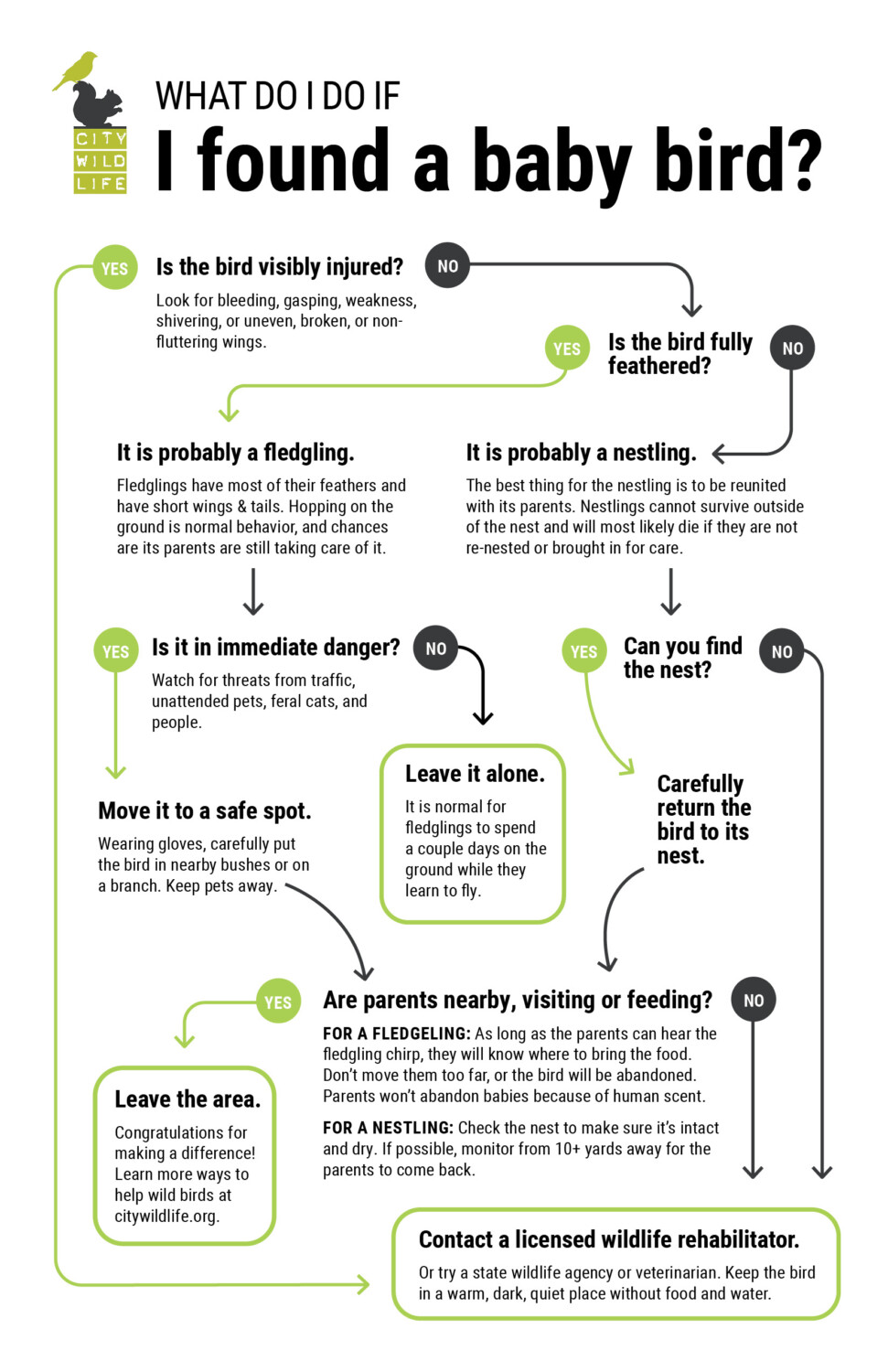
Credit: citywildlife.org
Legal Considerations
Keeping a wild bird as a pet involves legal implications. Understanding these laws is crucial. Many people are unaware of the strict regulations. These laws protect wild bird populations and their habitats. Violating these laws can lead to severe penalties. Therefore, it's essential to know the legal aspects before keeping a wild bird.
Understanding Local Regulations
Every country has different rules for keeping wild birds. These laws vary even within regions. Some areas may allow certain species. Others might prohibit all wild birds as pets. It's vital to check with local wildlife authorities. They provide the most accurate information. Ignorance of the law is not an excuse.
Protected Species And Permits
Many wild birds are protected by law. This includes both native and migratory birds. Keeping these birds as pets often requires a permit. Permits are not easy to obtain. They involve strict criteria and oversight. Some species are never allowed as pets, regardless of permits.
Consequences Of Illegal Possession
Possessing a wild bird illegally can result in heavy fines. It may also lead to imprisonment. Confiscation of the bird is also a possibility. Legal actions can affect your personal record. This could impact employment and other opportunities. It's not worth the risk for an illegal pet.
Ethical Considerations
Legalities aside, ethical concerns are significant. Wild birds belong in their natural habitats. They play essential roles in ecosystems. Keeping them as pets disrupts these systems. It also affects the bird's well-being. They may suffer from stress and health issues in captivity.
Ethical Implications
Keeping a wild bird as a pet raises ethical questions. Wild birds belong in their natural habitats. They thrive in environments suited to their needs. Capturing them for personal enjoyment disrupts this balance. It can cause harm to the bird and the ecosystem.
Many countries have laws protecting wild birds. These laws prevent capturing and keeping them as pets. Violating these laws can lead to penalties. It's important to understand local regulations before considering a wild bird as a pet.
Impact On Bird Welfare
Wild birds face stress in captivity. They are not accustomed to confinement. This can lead to physical and mental health issues. Captive environments rarely meet their complex needs.
Conservation Concerns
Removing birds from the wild can impact species populations. This affects biodiversity and ecological balance. Conservation efforts aim to protect wild populations. Keeping birds as pets conflicts with these goals.
Ethical Responsibility Of Pet Owners
Pet owners have a duty to consider animal welfare. Wild birds require specific care. Meeting these needs is challenging in a domestic setting. Ethical pet ownership means understanding and respecting these challenges.
Wild Bird Behavior
Understanding wild bird behavior is crucial before considering one as a pet. These birds have unique instincts and needs that differ from domesticated birds. Observing their natural tendencies helps in creating a better environment for them.
Natural Instincts
Wild birds rely heavily on their instincts for survival. They are naturally cautious and alert to threats. Their strong flight instincts mean they may try to escape if they feel trapped. Some birds have specialized feeding habits that are hard to replicate in captivity.
Migratory birds have seasonal travel patterns. This instinct remains even in captivity. It's challenging to suppress such powerful natural drives. These instincts influence how they react to different environments.
Social Needs
Birds are social creatures. In the wild, they often live in flocks. This social structure provides safety and companionship. In captivity, isolation can lead to stress or health issues. Birds may develop behavioral problems if kept alone.
Interaction with humans is not enough. They need the company of other birds. Understanding their social needs is essential for their well-being. A single bird may feel lonely without proper social interaction.
Habitat Requirements
Bringing a wild bird into your home as a pet can be a rewarding experience, but it requires thoughtful consideration of their habitat needs. A well-designed habitat isn't just about space; it's about creating an environment where the bird can thrive. You’ll need to ensure that their surroundings cater to their natural behaviors and instincts.
Space And Environment
Wild birds are used to vast skies and open spaces. If you’re thinking of keeping one as a pet, providing ample space is crucial. A small cage is not only restrictive but can lead to stress and health issues. Consider your bird’s size and wingspan. Is your space big enough for flying?
Creating an environment that mimics their natural habitat can make a world of difference. Think about including natural elements like branches, leaves, and even small rocks. These can help your bird feel at home and reduce the anxiety of captivity.
Enrichment And Stimulation
Wild birds are active, curious creatures. Without adequate stimulation, they can become bored or even depressed. You’ll need to add toys, mirrors, or puzzles to keep their minds engaged. What activities can you introduce to mimic their natural foraging behaviors?
Consider your bird’s social needs. Some species are highly social and require interaction to stay happy. Spend time with your bird daily, and if possible, introduce it to other birds. This social enrichment can lead to a healthier and more content pet.
Creating a habitat for a wild bird isn’t just about providing the basics. Dive deeper into their needs to ensure they live a fulfilled and happy life. What changes can you make today to enhance your feathered friend's environment?
Diet And Nutrition
Feeding a wild bird as a pet requires special care. Their diet is different from domestic birds. Understanding their nutrition is crucial for their health. The right diet ensures they thrive in your care.
Natural Diet
Wild birds consume a diverse range of foods. Their diet includes seeds, fruits, and insects. Each species has its own preference. Observing their natural behavior helps identify their needs. Mimicking their diet in the wild is ideal.
Some birds are granivores and eat mainly seeds. Others, like insectivores, enjoy insects and small creatures. Frugivores feed on fruits and berries. Knowing your bird's natural diet helps in selecting the right foods.
Supplementary Feeding
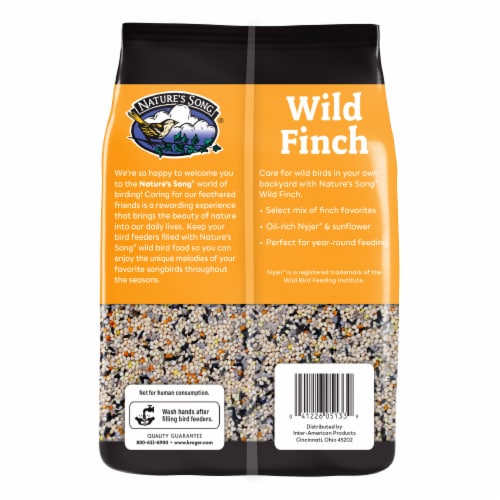
Providing a balanced diet is vital. Supplementary feeding ensures they get all nutrients. Offer a variety of foods to cover nutritional gaps. You can provide commercial bird food, but check it suits their needs.
Calcium and vitamin supplements are often necessary. Especially during breeding or molting seasons. Fresh water is also essential. Replace it regularly to keep it clean.
Monitoring their health helps spot dietary issues early. If you notice changes, adjust their food accordingly. A healthy diet leads to a happy, active bird.
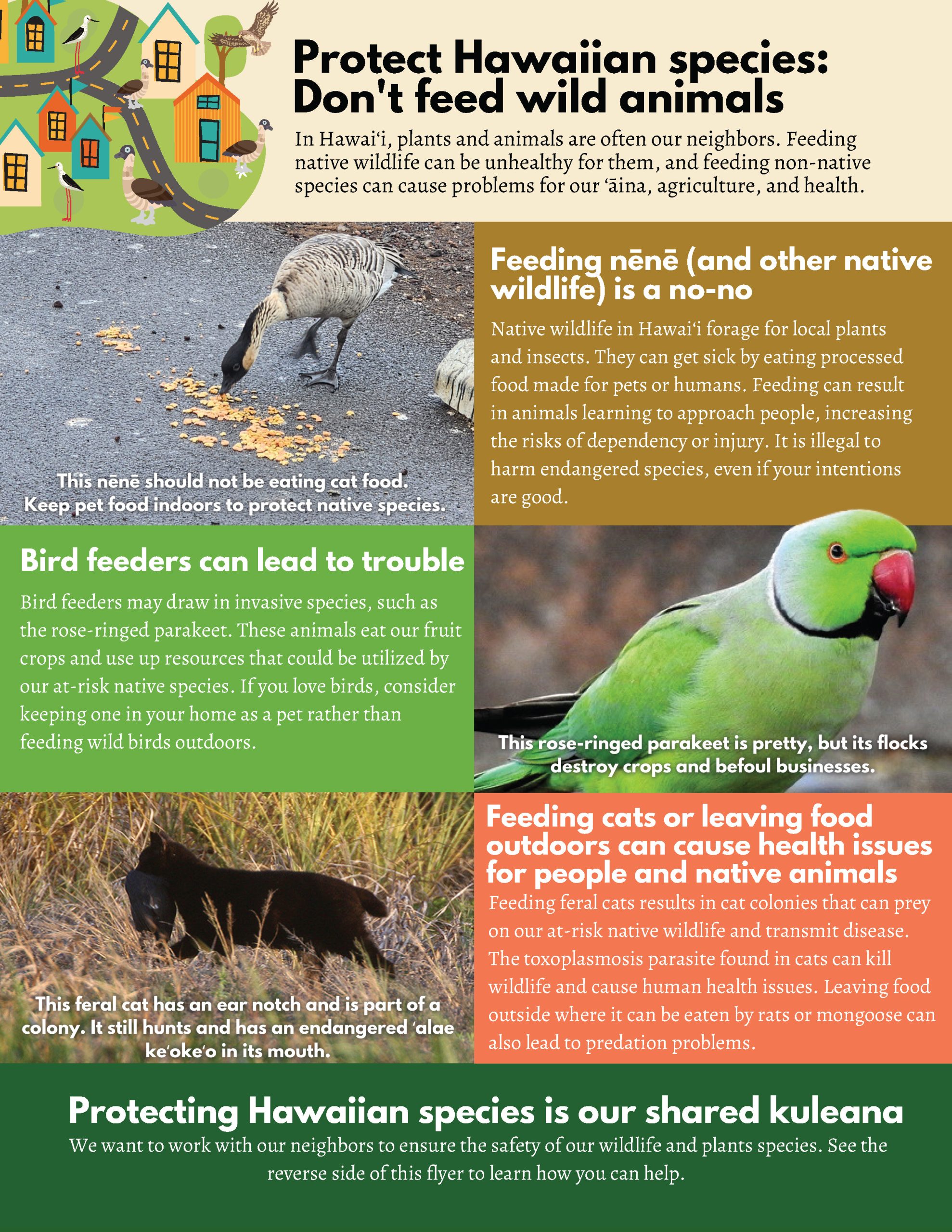
Credit: dlnr.hawaii.gov
Health And Veterinary Care
Keeping a wild bird as a pet poses challenges and potential harm to the bird's health. Wild birds require specific care and environments that are hard to replicate at home. It is important to prioritize their natural habitat over domestic settings.
Having a wild bird as a pet can be a unique and rewarding experience, but it comes with its own set of challenges, especially when it comes to health and veterinary care. Wild birds have specific needs that differ significantly from domesticated animals, and understanding these can make all the difference in their well-being. It's essential to know what common health issues might arise and how to find a qualified vet who can help manage these concerns.
Common Health Issues
Wild birds are prone to a variety of health issues. Respiratory infections are common, often resulting from stress or exposure to cold drafts. You might notice symptoms like wheezing or nasal discharge. Another frequent problem is nutritional deficiencies. Unlike pets from a store, wild birds might not be accustomed to the diet you provide, leading to issues like weakened bones or feather problems. Parasites can also be a concern. Mites and lice can affect your bird's health and comfort, requiring immediate attention. It's crucial to watch for behavioral changes or visible signs of distress, as these can indicate underlying health issues.
Finding A Qualified Vet
Finding a vet who specializes in avian care can be challenging, but it's vital for your bird's health. Regular vets might not have the expertise needed for wild birds, so look for those with specific avian experience. Start by asking local bird enthusiasts or pet stores for recommendations. They often have connections with vets who have dealt with birds similar to yours. Online forums and social media groups dedicated to bird care can also be valuable resources. You might find someone who has had a similar experience and can point you in the right direction. Consider asking your vet questions about their experience with wild birds. A qualified vet will be familiar with the unique needs and behaviors of your bird, ensuring they receive the best possible care. Caring for a wild bird is a commitment. Are you ready to take on the challenge of ensuring their health and happiness?
Training And Taming
Keeping a wild bird as a pet involves challenges. Wild birds need special care and proper training. Taming them requires patience and understanding, as they naturally resist captivity.
Training and taming a wild bird can be rewarding. It takes patience and understanding. These birds are not accustomed to human interaction. They may be scared or defensive at first. It's important to approach them gently. Consistency is key in building a strong bond.
Approach Techniques
Begin with slow movements. Sudden actions can frighten the bird. Speak softly to reassure them. Use treats to encourage trust. A small piece of fruit works well. Avoid direct eye contact initially. This can seem threatening to the bird. Gradually let the bird get used to your presence. Sit near them quietly. Allow them to observe you. Repeat this daily to build familiarity. Always remain calm and patient. This helps in gaining the bird's confidence.
Building Trust
Trust grows over time. Start by offering food from your hand. This may take several attempts. Patience is crucial here. The bird will learn you mean no harm. Create a safe environment for the bird. Ensure they feel secure. A comfortable space reduces stress. Speak gently during interaction. This soothes the bird and builds trust. Spend time daily with the bird. Regular interaction strengthens your bond. Use positive reinforcement. Reward good behavior with treats. This encourages the bird to trust you more. Training a wild bird requires dedication. The bond formed can be deeply rewarding.
Credit: www.fredmeyer.com
Impact On Local Wildlife
Keeping a wild bird as a pet might seem like a fascinating idea, but have you considered how this impacts local wildlife? Wild birds are an integral part of their ecosystems, playing crucial roles in pollination, seed dispersal, and insect control. Removing them from their natural habitat not only disrupts these processes but also affects the overall balance of the ecosystem.
Impact On Bird Populations
When wild birds are taken from their environment, their populations can decline rapidly. Each bird plays a part in maintaining the ecological balance. Imagine if someone took away all the house sparrows from your neighborhood. Suddenly, insects might flourish unchecked, affecting other animals and even plants.
Disruption Of Food Chains
Birds are often key players in food chains. Removing them can cause a ripple effect throughout the ecosystem. Predators that rely on birds for food may struggle to survive, leading to further imbalances. Have you ever noticed how a missing piece in a puzzle makes the whole picture incomplete? The same goes for ecosystems.
Impact On Native Plants
Wild birds contribute significantly to the health of native plants. By dispersing seeds and controlling pest populations, they help maintain the diversity and abundance of plant life. You might think of birds as gardeners, working tirelessly to cultivate healthy landscapes. What happens when the gardeners disappear?
Ethical Considerations
Reflect on the ethical implications of keeping a wild bird as a pet. These creatures are meant to soar freely, not be confined to cages. How would you feel if you were taken from your home and kept in a small space? It’s important to think about the bird’s well-being and the ethical responsibility we hold.
Legal Implications
In many regions, it's illegal to keep wild birds as pets. Laws are in place to protect wildlife and ensure biodiversity remains intact. Violating these laws can lead to penalties, and knowing this can deter some from considering wild birds as pets. Are you ready to face legal consequences for keeping a wild bird?
Consider the bigger picture. When you remove a wild bird from its natural habitat, you’re not just affecting one species. You’re impacting an entire ecosystem. What can you do to appreciate and protect these creatures without disrupting their natural roles?
Alternatives To Keeping Wild Birds
Keeping wild birds as pets is not ideal. They belong in their natural habitat. There are better alternatives that respect the bird's freedom. Explore these options for enjoying birds without captivity.
Adopting Captive-bred Birds
Consider adopting a captive-bred bird. These birds are raised in controlled environments. They are accustomed to human interaction. Captive-bred birds include parakeets, canaries, and finches. They offer companionship without harming wildlife. These birds are less stressed when kept as pets. They are more likely to thrive in homes. Adopt from reputable breeders to ensure healthy birds.
Bird Watching And Conservation
Bird watching is a wonderful alternative. It allows you to enjoy birds in their natural habitat. Use binoculars to observe birds without disturbing them. Join local bird watching groups to learn more. Support conservation efforts to protect wild birds. Participate in community projects that preserve habitats. Engage in activities that educate others about bird conservation. Enjoy the beauty of birds while helping them stay wild.
Frequently Asked Questions
Is It Legal To Keep Wild Birds As Pets?
In many countries, keeping wild birds as pets is illegal. Laws protect native bird species from being captured or kept in captivity. These regulations aim to conserve bird populations and their natural habitats. Always check local wildlife laws before considering a wild bird as a pet.
What Are The Challenges Of Keeping A Wild Bird?
Wild birds have specific dietary and environmental needs that are hard to meet. They can be prone to stress in captivity, affecting their health. Additionally, wild birds may carry diseases that can spread to humans or other pets. Keeping them often requires special permits and expertise.
Can Wild Birds Adapt To Domestic Life?
Wild birds struggle to adapt to domestic life due to their natural instincts. They are accustomed to flying freely and exploring vast environments. Captivity can lead to stress and behavioral issues. Unlike domesticated birds, wild birds may never fully adjust to living in a home setting.
What Alternatives Exist To Keeping Wild Birds?
Instead of keeping wild birds, consider observing them in nature. Build a bird-friendly garden with feeders and birdhouses to attract them. Support local wildlife conservation efforts and sanctuaries. These alternatives allow you to enjoy birds without disrupting their natural lives.
Conclusion
Keeping a wild bird as a pet poses many challenges. Wild birds need special care and freedom. They thrive better in their natural habitats. Captivity can cause stress and health issues. Observing them in nature is a better choice. Birds belong in the sky, not cages.
Let them fly freely. This respects their natural instincts. Consider adopting domesticated birds instead. They adapt better to home environments. Make thoughtful decisions about pet ownership. This ensures a happy life for both you and the bird. Respect nature and its creatures.
Choose wisely for a harmonious living.