


Are you tired of watching birds flit around your garden only to leave because there's nothing to keep them there? Imagine transforming your outdoor space into a vibrant, lively haven for feathered friends, all with the simple addition of a 150N Bird Feeder.
Picture this: your mornings start with the delightful chirping of birds, a cup of coffee in hand, and a tranquil scene that sets the perfect tone for your day. This isn't just about feeding birds—it's about creating an experience that enriches your life and fosters a deeper connection with nature.
Discover how the 150N Bird Feeder can revolutionize your garden and provide endless joy for both you and the birds. Get ready to dive into the world of birdwatching like never before.
Benefits Of A 150n Bird Feeder
The 150N Bird Feeder attracts a variety of birds, providing an enjoyable bird-watching experience. Durable design withstands weather changes, ensuring food stays dry and fresh. Easy to clean and refill, making maintenance simple and convenient.
Installing a 150N Bird Feeder in your garden or backyard can transform your outdoor space into a vibrant hub of activity. Not only does it attract a variety of bird species, but it also offers numerous other benefits that enhance both your environment and personal enjoyment. Let's delve into the specific advantages that come with having a 150N Bird Feeder.
1. Enhances Biodiversity
A 150N Bird Feeder can significantly boost the biodiversity in your area. By providing a reliable food source, you're inviting a wide array of bird species to visit your garden. This can create a lively ecosystem right outside your window. Imagine starting your day with the cheerful chirping of colorful birds. It's a simple way to connect with nature without leaving your home.
2. Educational Opportunities
Having a bird feeder offers a unique chance for learning, especially if you have children. Watching and identifying different bird species can be an exciting educational activity. It encourages curiosity about wildlife and fosters a deeper understanding of nature. You might find yourself researching bird behaviors and migration patterns, adding a new layer of interest to your daily routine.
3. Stress Relief
Spending time observing birds can be a powerful stress reliever. The gentle sounds and movements of birds create a peaceful ambiance. This can help you relax after a long day. Consider taking a few moments each morning with your coffee to watch the feathered visitors. It might become your favorite part of the day.
4. Supports Bird Conservation
Using a 150N Bird Feeder can contribute to conservation efforts. By feeding birds, you're helping them survive, especially during harsh weather conditions or in urban areas where natural food sources may be scarce. Your small act of kindness can make a significant difference in maintaining healthy bird populations.
5. Increases Garden Health
Birds play a crucial role in maintaining the health of your garden. They help control pests by eating insects that can damage plants. This natural pest control reduces the need for harmful pesticides, promoting a healthier garden environment. Have you noticed a decline in pesky insects since installing your feeder? It might be the birds working their magic.
6. Encourages Outdoor Engagement
A bird feeder encourages you to spend more time outside. Whether it's filling the feeder, cleaning it, or simply watching the birds, you'll find yourself more engaged with your outdoor space. This can lead to other gardening or landscaping activities, enhancing your overall outdoor experience. Have you found new inspiration for your garden after spending time with your feathered friends? The possibilities are endless.
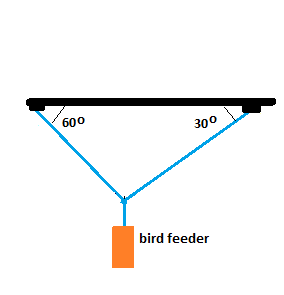
Credit: homework.study.com
Features To Look For
Choose a 150N bird feeder with durable materials to withstand weather conditions. Opt for easy cleaning features to maintain hygiene. Ensure a spacious design to accommodate different bird species comfortably.
Are you considering a 150N Bird Feeder for your backyard? A well-chosen bird feeder can transform your garden into a lively hub of chirping activity, making it essential to know which features to prioritize. Let's dive into the key attributes that will not only attract more birds but also make your experience delightful.
Durability And Material
Imagine buying a bird feeder only to have it break after a few uses. That's why the material is crucial. Opt for feeders made from robust materials like metal or high-quality plastic. They withstand the test of time and deter pesky squirrels. Check if the feeder has UV protection to prevent fading.
Capacity And Size
You want a feeder that can hold enough seed to keep your feathered friends happy. A larger capacity means fewer refills, which is convenient if you have a busy schedule. Consider how many birds you wish to attract. A bigger feeder can accommodate a larger flock, transforming your space into a bird haven.
Ease Of Cleaning
No one enjoys scrubbing a stubborn, dirty feeder. Choose a design that's easy to dismantle and clean. A feeder that’s dishwasher safe or has removable parts can save you time and effort. Regular cleaning ensures a healthy environment for the birds, reducing the risk of disease.
Weather Resistance
Weather can be unpredictable. Your feeder should be ready for rain, snow, and sun. Look for features like rust-proof coatings and drainage holes to prevent waterlogging. A feeder that can brave the elements means less maintenance and more enjoyment for you. When selecting a bird feeder, consider how each feature will impact your experience. Do you want something that requires little upkeep? Or is attracting a large variety of birds your main goal? By thinking about these questions, you're on your way to creating a vibrant, bird-friendly backyard.
Installation Tips
Setting up your 150N bird feeder can be a delightful task. You want to attract birds and enjoy their presence in your garden. Proper installation ensures stability and safety for both the birds and your property. Follow these tips to get the best results.
Choosing The Right Location
Pick a spot visible from your window. This makes bird-watching easy and fun. Ensure the location provides shelter from harsh weather. Trees or bushes nearby offer birds protection from wind and predators. Avoid placing the feeder too close to large windows. This reduces the risk of bird collisions.
Mounting Methods
You can hang the feeder from a sturdy branch. Make sure the branch is strong enough to hold the feeder's weight. Use a durable hook or rope for added security. If no suitable trees are available, use a pole or stand. Ensure the pole is anchored firmly in the ground. This prevents tipping during windy days.
Safety Precautions
Check the feeder's stability regularly. Ensure all parts are secure and in good condition. Avoid using harmful chemicals near the feeder. These could affect the birds or spoil their food. Keep the area clean to prevent bacteria and mold growth. This ensures a healthy environment for your feathered visitors.

Credit: www.youtube.com
Attracting Different Bird Species
Attracting different bird species to your garden can be fulfilling. The 150N Bird Feeder offers a versatile option. It allows you to observe a variety of birds. This feeder can bring joy and beauty to your backyard. To attract different species, focus on several key areas.
Seed Selection
Choose the right seeds for your feathered friends. Different birds prefer different seeds. Sunflower seeds attract cardinals and finches. Millet is loved by sparrows and doves. Mix seeds to cater to various bird tastes. This will encourage diversity at your feeder.
Seasonal Adjustments
Bird species change with the seasons. Adjust your seed offerings accordingly. In winter, high-fat seeds help birds stay warm. Suet is an excellent choice in cold months. In spring, offer seeds with protein for nesting birds. Seasonal adjustments keep birds coming year-round.
Using Additional Accessories
Accessories can enhance your bird feeder. Consider adding perches for larger birds. Water trays attract birds for drinking and bathing. Install squirrel baffles to protect seeds. These additions can make your feeder more inviting. A well-equipped feeder attracts a variety of species.
Maintenance And Care
Keep your 150N Bird Feeder in top shape by cleaning it regularly with mild soap and water. Check for any damage or wear, and replace parts as needed. Ensure it's filled with fresh seeds to attract more birds.
Maintaining your 150N Bird Feeder ensures it lasts longer. It keeps birds healthy and happy. Proper care reduces wear and tear. Regular cleaning, inspecting for damage, and refilling techniques are essential. Let's explore these key aspects.
Regular Cleaning Schedule
Cleaning keeps the bird feeder safe for birds. Dirt and residue can build up quickly. Establish a routine to clean the feeder weekly. Use mild soap and warm water. Rinse thoroughly to remove soap traces. Dry completely before refilling. This prevents mold and bacteria growth.
Inspecting For Damage
Regularly check the feeder for cracks or wear. Damaged feeders can harm birds. Examine hooks, perches, and feeding ports. Ensure all parts are secure and functional. Replace broken components immediately. Use a safe space to conduct inspections. This ensures a longer lifespan for the feeder.
Refilling Techniques
Refill the feeder with fresh seeds often. Avoid overfilling to prevent spills. Use a funnel to minimize waste. Choose seeds that attract local bird species. Store seeds in a cool, dry place. This keeps them fresh and appealing. Proper refilling maintains a tidy feeding area.
Credit: www.coursehero.com
Enhancing Your Birdwatching
Adding a 150N bird feeder to your backyard can transform your birdwatching experience. It invites a diverse array of birds to visit, offering you a front-row seat to nature's show. But how can you make the most of these visits?
Using Binoculars And Cameras
Binoculars are essential for getting a closer look at birds without disturbing them. They allow you to see details that are invisible to the naked eye, like intricate feather patterns or behavioral quirks.
If you love documenting your sightings, a camera is your best friend. Capture those rare moments when a bird fluffs its feathers or catches a worm. These images create lasting memories and can be shared with fellow bird enthusiasts.
Have you ever tried snapping a picture of a hummingbird in flight? It's challenging but rewarding. A camera with a fast shutter speed can help you achieve this.
Bird Identification Tips
Identifying birds can be as simple as noticing colors and sizes. Keep a bird guide handy to compare features like beak shape and wing markings.
Listening can also be a powerful tool. Birds have distinct calls and songs that often reveal their identity. You might notice how a cardinal’s song differs from a finch's.
Start a checklist of birds you spot at the feeder. It’s a fun way to track your sightings and learn more about local species.
Recording Observations
Observing birds can be a meditative practice. Take notes on their behavior, feeding habits, and interactions. You might discover patterns that tell a deeper story about bird ecology.
Consider keeping a journal dedicated to your birdwatching adventures. Write down the date, weather conditions, and what you observed. This can help you predict which birds will visit in different seasons.
Have you ever wondered why certain birds prefer one type of seed over another? Observing and recording can provide insights into their preferences.
Enhancing your birdwatching experience with these tips can lead to a more fulfilling connection with nature. What new bird will you discover at your feeder today?
Frequently Asked Questions
What Is A 150n Bird Feeder?
A 150N bird feeder is a durable, large-capacity feeder designed to hold up to 150 newtons of weight. It's ideal for attracting a variety of birds to your garden. The feeder is typically made from sturdy materials, ensuring it withstands various weather conditions while providing ample food for visiting birds.
How Does A 150n Bird Feeder Work?
A 150N bird feeder functions by holding birdseed securely in a container. Birds perch on the feeder to access the food through designated openings. The feeder's design prevents seed spillage and keeps the feed dry. Its sturdy construction supports the weight of multiple birds simultaneously, offering a reliable feeding station.
Why Choose A 150n Bird Feeder?
Choosing a 150N bird feeder offers durability and a large feeding capacity. It's perfect for bird enthusiasts looking to attract diverse bird species. The feeder's robust construction ensures it can withstand outdoor elements. With its ample space, more birds can feed at once, enhancing your bird-watching experience.
What Materials Are Used In A 150n Bird Feeder?
A 150N bird feeder is typically made from metal, plastic, or wood. These materials provide durability and resistance to weather conditions. Metal ensures a sturdy structure, plastic offers lightweight convenience, and wood adds a natural aesthetic. Each material is chosen for its ability to withstand outdoor environments.
Conclusion
A 150N bird feeder offers simplicity and efficiency in feeding birds. Its sturdy design ensures long-lasting use. Birds flock to it, enjoying their meals peacefully. Easy to install, it requires minimal maintenance. This feeder invites nature closer to your home.
Watch colorful birds, feel joy in their presence. A perfect choice for bird lovers and nature enthusiasts alike. Enhance your garden with this practical addition. Witness the beauty of nature every day. Let this feeder become a delightful part of your outdoor space.
Enjoy the serene moments it brings to your life. A true pleasure for bird watchers.