


Are your feathered friends acting a bit too feisty lately? If you're dealing with aggressive behavior in birds, you’re not alone.
This behavior can be puzzling and even frustrating, especially when all you want is a peaceful and happy companion. But don't worry, there are effective ways to address and reduce this aggression. Imagine transforming your bird's behavior, creating a calm and harmonious environment in your home.
Intrigued? Keep reading to discover tried-and-true strategies that can help you turn the tide and nurture a more peaceful relationship with your avian buddy.
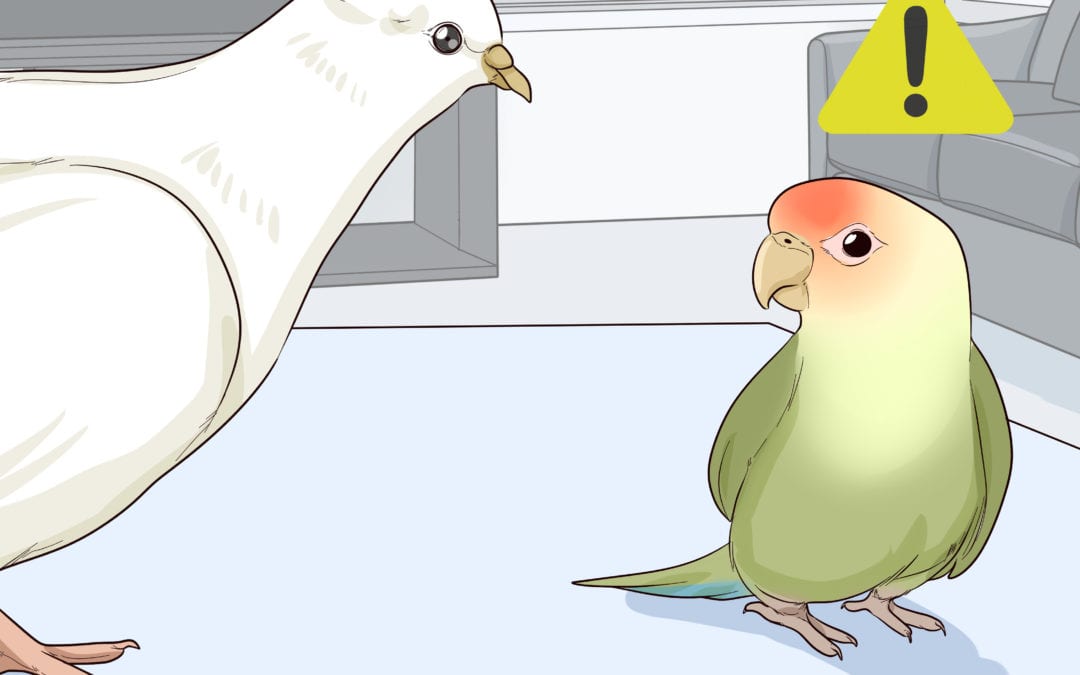
Credit: www.pigeonpatrol.ca
Identifying Aggressive Behavior
Identifying aggressive behavior in birds involves observing patterns like pecking, chasing, or loud squawking. Creating a calm environment and using gentle training techniques can help stop these behaviors. Consistent care and attention are key to promoting peaceful interactions with your feathered friends.
Identifying aggressive behavior in birds is crucial for maintaining harmony in your aviary or backyard. Birds, despite their charming songs and colorful feathers, can sometimes exhibit aggressive tendencies. Understanding these behaviors can help you manage them effectively and ensure a peaceful environment. Let's delve into the signs of aggression and some common aggressive species.
Signs Of Aggression
Recognizing aggressive behavior in birds is the first step in addressing it. Birds may show aggression through physical actions like pecking, biting, or chasing other birds. Watch for excessive vocalizations; an angry bird often squawks loudly and repeatedly. Wing flapping and puffing up feathers are other common signs. These signals can indicate that a bird feels threatened or is trying to assert dominance.
Common Aggressive Species
While any bird can show aggression, some species are more prone to it. Parrots, for example, are known for their vibrant personalities, which can sometimes translate into aggressive behavior. Cockatoos, with their strong beaks, can be particularly feisty if they feel their territory is encroached upon. Even smaller birds like canaries can display aggression, especially during breeding season. Consider this when choosing birds for your home or aviary. Have you ever noticed a bird acting out of character? Understanding these behaviors can prevent potential harm. Addressing aggression early can lead to a happier, healthier environment for you and your feathered friends. Don't wait until it's too late to act; your birds rely on you for their well-being.
Understanding Causes
Understanding the causes of aggressive behavior in birds is crucial. Identifying triggers like stress or fear helps in finding solutions. Creating a calm environment and ensuring proper care can reduce aggression.
Understanding the causes of aggressive behavior in birds is essential for any bird owner. When your feathered friend suddenly becomes hostile, it can be confusing and frustrating. But knowing the root of the issue can help you address it effectively. By identifying the underlying reasons, you can tailor your approach to calm your bird and restore harmony.
Territorial Instincts
Birds, like many creatures, can be fiercely territorial. This behavior often surfaces when they feel their space is being invaded. For instance, if you recently changed your bird's cage location, they might perceive this as a threat. Have you ever noticed your bird becoming territorial over a particular toy or perch? This is a clear sign that they are defending what they consider theirs. To mitigate this, introduce new items gradually and respect their established zones.
Hormonal Changes
Hormones can wreak havoc, not just in humans but in birds too. During breeding seasons, birds might display heightened aggression due to hormonal fluctuations. This is a natural part of their cycle, but it can be challenging for owners. Consider providing additional mental and physical stimulation during these times. Activities and toys can help divert their focus and alleviate some of that pent-up energy. Have you tried adjusting their diet to support them through these hormonal phases?
Fear And Stress Factors
Fear can be a powerful driver of aggression. Loud noises, sudden movements, or unfamiliar faces can easily startle birds. This is especially true for birds that are new to their environment or have had negative experiences in the past. Creating a calm and predictable environment can significantly reduce stress-related aggression. Are there specific triggers you've noticed that upset your bird? Observing and noting these can help you create a safer space for your pet. Understanding what makes your bird tick is crucial in addressing their aggressive behaviors. Have you identified any patterns or triggers in your bird's aggression? Recognizing these can be the first step in fostering a more peaceful coexistence.
Creating A Safe Environment
Creating a safe space for birds involves understanding their triggers. Observe behavior patterns and identify stress factors. Provide ample space, enrich their environment, and ensure regular interaction to prevent aggression.
Creating a safe environment for your bird is crucial in managing and reducing aggressive behavior. Much like humans, birds thrive in spaces where they feel secure and content. By making simple changes to their surroundings, you can significantly improve their behavior and well-being.
Adequate Space And Habitat
Birds, just like us, need their personal space. If a bird feels cramped, it may become stressed and aggressive. Ensure your bird has a spacious cage where it can stretch its wings without hitting the bars. Think about the bird's natural habitat. Include branches or perches at different heights to mimic a tree's environment. I remember once adding a variety of perches and watching my parrot's mood brighten instantly. It made me realize how important a varied habitat is for their mental stimulation.
Reducing Triggers
Identifying and minimizing triggers is essential in calming aggressive birds. Pay attention to what sets them off. Is it loud noises, unfamiliar faces, or sudden movements? Create a quieter space for your bird, away from the main hustle of the house. Introduce new people or pets gradually to avoid startling them. I learned the hard way when my bird got agitated by the sound of a vacuum cleaner. Now, I schedule cleaning when he's in another room. What changes can you make in your bird's environment to see a difference in their behavior?

Credit: m.youtube.com
Behavioral Training Techniques
Understanding and curbing aggressive behavior in birds is crucial for creating a harmonious environment. Behavioral training techniques can transform your bird into a more sociable and gentle companion. These methods are rooted in patience, consistency, and empathy, ensuring that both you and your feathered friend can enjoy a peaceful coexistence.
Positive Reinforcement
Positive reinforcement is a powerful tool in shaping your bird's behavior. Reward your bird with treats or praise when it exhibits desirable behavior. This encourages repetition of good actions.
For instance, if your bird remains calm when approached, offer it a small treat. This simple gesture reinforces positive associations with calmness.
Rewards must be immediate to make the connection clear. What treats does your bird love most?
Consistency In Training
Consistency is key in training any animal, including birds. Establish a daily routine for training sessions to maintain progress.
Stick to the same commands and signals during each session. This clarity helps your bird understand expectations.
Have you ever noticed how routines can create comfort? Birds thrive on predictability.
Socialization Strategies
Socialization expands your bird's comfort zone. Introduce your bird to new environments and people gradually.
Start by allowing your bird to observe interactions from a safe distance. This builds trust and reduces fear.
Why not invite a friend over to meet your bird? Socialization can open doors to a more relaxed demeanor.
Training a bird requires patience and understanding. As you apply these techniques, remember that every bird is unique. Adjust methods to suit your bird's personality and needs. Your efforts can lead to a happier, healthier relationship with your feathered friend. What new behaviors will your bird display next?
Professional Intervention
Professional intervention helps manage aggressive bird behavior effectively. Experts identify triggers and apply techniques to calm them down safely.
Aggressive behavior in birds can be concerning and challenging for bird owners. Sometimes, despite your best efforts, the behavior persists. This is where professional intervention becomes essential. Consulting with avian experts can offer valuable insights and solutions tailored to your bird's unique needs. Professional guidance can not only help curb aggression but also enhance the overall well-being of your feathered friend.
Consulting Avian Experts
Reaching out to an avian expert can be a game-changer. These professionals have dedicated their careers to understanding bird behavior. They can identify triggers that might not be obvious to you. For instance, an avian veterinarian or a certified bird behaviorist can provide a thorough assessment of your bird's environment, diet, and interaction patterns. During a consultation, you may be surprised by what you learn. A friend of mine discovered that her parrot's aggression stemmed from a lack of mental stimulation. The expert suggested introducing puzzle toys and interactive play sessions. This simple change made a noticeable difference in her bird's demeanor.
When To Seek Help
It's important to know when to seek professional help. If your bird's aggressive behavior escalates or becomes dangerous, it's time to consult an expert. You should also seek advice if the aggression is causing stress for you or your household. Don't wait until the situation becomes unmanageable. Early intervention can prevent further behavioral issues and improve your bird's quality of life. Ask yourself: Is my bird's behavior beyond what I can handle? If the answer is yes, reaching out to a professional might be the best step forward. Remember, seeking help is a sign of commitment to your bird's well-being. It's not about admitting defeat; it's about ensuring your pet has the best environment to thrive. Addressing aggression with the help of an expert can lead to a happier, healthier life for both you and your bird.
Monitoring Progress
Identifying triggers helps in reducing aggressive behavior in birds effectively. Consistent training and positive reinforcement build trust and encourage calmness. Providing ample space and engaging toys can divert energy and minimize stress.
Monitoring progress in birds is crucial for curbing aggressive behavior. Observing changes helps in understanding the effectiveness of interventions. It guides whether adjustments are necessary. Consistent monitoring provides valuable insights.
Tracking Behavioral Changes
Watch for shifts in the bird's actions. Note any reduction in aggression. Document these changes regularly. Identify patterns over time. This helps in assessing if strategies work. Use a simple journal or app for tracking. It keeps records organized and accessible.
Adjusting Strategies As Needed
Be ready to tweak your approach. If aggression persists, try new methods. Consult with experts for advice. Every bird is unique. What works for one may not work for another. Flexibility is key to success. Adjust strategies based on recorded behavior. This ensures ongoing progress.

Credit: m.youtube.com
Frequently Asked Questions
How Can I Calm An Aggressive Bird?
To calm an aggressive bird, create a peaceful environment. Reduce noise and sudden movements. Use positive reinforcement with treats to encourage calm behavior. Spend time bonding with your bird daily. Ensure the bird has ample space and toys to prevent boredom and aggression.
What Triggers Aggression In Birds?
Aggression in birds can be triggered by fear, stress, or lack of socialization. Environmental factors like noise and overcrowding can also contribute. Hormonal changes during breeding season may increase aggression. Understanding the root cause is essential for addressing aggressive behavior effectively.
How Do I Safely Handle An Aggressive Bird?
Handling an aggressive bird requires patience and care. Approach slowly and speak softly to avoid startling it. Wear gloves if necessary to protect yourself. Gradually build trust with gentle interactions, and reward calm behavior with treats. Always prioritize safety for both you and your bird.
Can Diet Affect Bird Aggression?
Yes, diet can impact bird behavior, including aggression. A balanced diet ensures proper nutrition and can reduce stress. Provide a variety of seeds, fruits, and vegetables. Avoid overfeeding sugary or fatty foods. Consult an avian vet for specific dietary recommendations tailored to your bird's needs.
Conclusion
Stopping aggressive behavior in birds takes patience. Understand their needs first. Consistent training helps to curb aggression. Create a peaceful environment for them. This reduces stress. Positive reinforcement is key. Reward good behavior with treats. Avoid sudden movements. They can scare your bird.
Regular check-ups with a vet are essential. Health issues might cause aggression. Building trust is crucial. Spend quality time with your bird daily. This strengthens your bond. With care and effort, aggressive behavior can decrease. Your bird can become friendlier.
Enjoy the journey of taming their behavior. It's rewarding for both of you.