


Have you ever wondered how what a bird eats might change the way it builds its nest? Imagine a tiny creature, working tirelessly, gathering twigs and leaves, all while its diet plays a secret, yet powerful role in its behavior.
Your curiosity might be piqued by the idea that a bird's eating habits could influence its nesting strategies. This intriguing connection between diet and nesting behavior opens up a world of discoveries, and you’re about to explore it. As you read on, you'll uncover the fascinating science behind how nutrition affects the way birds create their homes.
Get ready to discover insights that might change the way you view these winged architects of nature.

Credit: www.npr.org
Diet And Bird Nesting
Birds captivate us with their nesting behavior. Diet plays a significant role in this process. The nutrients birds consume affect their energy, strength, and nesting materials. A proper diet ensures healthy offspring and successful breeding.
Understanding Bird Diets
Birds require diverse diets. Seeds, fruits, insects, and nectar provide essential nutrients. Each species has unique dietary needs based on habitat and availability. Diet influences their physical condition, which impacts nesting readiness.
Nutritional Needs For Nesting
Protein and calcium are crucial for egg production. Insects and seeds are rich sources. Birds must consume enough for strong eggshells and healthy hatchlings. Balanced nutrition is vital during breeding season.
Impact Of Diet On Nesting Materials
Diet can affect the materials birds use for nests. Birds with access to calcium-rich foods may use stronger materials. Nutrient-rich diets lead to better nest construction, offering protection to eggs and chicks.
Seasonal Dietary Changes
Birds adapt diets with seasons. During spring, they seek protein-rich foods for breeding. In fall, they may switch to seeds and fruits. These dietary changes align with nesting demands.
Consequences Of Poor Diet
Insufficient nutrition can lead to weak nests. Poor diet may affect egg quality and chick survival. Birds with inadequate diets struggle to maintain nesting success. Proper diet is vital for reproduction.
Nutritional Needs Of Nesting Birds
Have you ever watched a bird tirelessly building its nest, twig by twig? You might wonder what fuels such dedication. Nutrition plays a crucial role in a bird's ability to nest successfully. Just like humans, birds need the right nutrients to perform their tasks efficiently. Let's dive into what these feathered architects need to thrive during nesting season.
The Role Of Protein
Protein is essential for nesting birds. It helps in muscle development, which is crucial for building nests and caring for chicks. Birds often rely on insects, seeds, and sometimes small mammals to meet their protein needs.
Think about the last time you had a protein-rich meal and felt energized. Birds experience something similar. Without enough protein, they might struggle to sustain the energy levels needed for nest-building and chick-rearing.
The Importance Of Calcium
Calcium is another critical nutrient for nesting birds. It strengthens eggshells, ensuring chicks have a safe start in life. Birds often source calcium from snails, eggshells, and even some plant materials.
Imagine a mother bird carefully selecting calcium-rich food to protect her young. It's a reminder that every nutrient choice impacts the next generation. Would your choices be different if you were nurturing new life?
Energy From Carbohydrates
Carbohydrates provide the quick energy boost birds need during nesting. Foods like fruits, grains, and nectar are excellent sources. This energy supports not just the physical demands of building a nest but also the constant vigilance required to protect it.
Consider how a runner feels after a carbohydrate-loaded meal, ready to tackle a marathon. Birds, too, need this energy to fuel their non-stop activities. Are your energy sources as effective?
Balancing Fats For Endurance
Fats offer long-lasting energy and are vital during periods of extended activity. Birds often consume seeds and nuts to get the fats they need. This helps them maintain endurance during the exhaustive nesting phase.
Think about the stamina required to sustain long periods of activity. Just like an athlete carefully balances their fat intake for endurance, birds need the right amount to keep going. How do you manage your endurance needs?
Understanding these nutritional needs can change the way we perceive bird behavior. Next time you observe a nesting bird, remember their diet is more than just food—it's a lifeline that supports their incredible journey. Would you be able to meet your needs with the same precision and dedication?
Influence Of Diet On Nest Construction
Birds' diet plays a crucial role in their nesting behavior. Different foods provide varying levels of energy and nutrients. These resources affect their ability to construct nests. Birds with rich diets often create more complex nests.
A bird's diet can influence the materials it chooses. Nutrient-rich diets support stronger and more durable nests. This helps in protecting their young from predators and harsh weather.
Energy Levels And Nest Construction
Birds need energy to build their nests. Foods high in calories provide more energy. Birds with access to such foods can build faster and with more precision. Low-energy diets may result in simpler and less protective nests.
Nutrient Availability And Material Selection
Nutrients in a bird's diet can affect material choices. Protein-rich diets might lead to using stronger materials. This ensures the nest can support the weight of eggs and young birds.
Impact Of Seasonal Diet Changes
Seasonal changes can alter a bird’s diet. These changes influence the materials and construction style of their nests. In times of food scarcity, nests might be smaller and less complex.
Adaptation To Food Scarcity
Birds adapt their nesting behavior based on food availability. In scarce conditions, they might use fewer materials. This adaptation helps conserve energy for survival.
Role Of Foraging Time
Foraging time impacts nest construction significantly. Birds spending less time foraging can dedicate more time to nest building. An efficient diet can reduce foraging needs, allowing better nest construction.
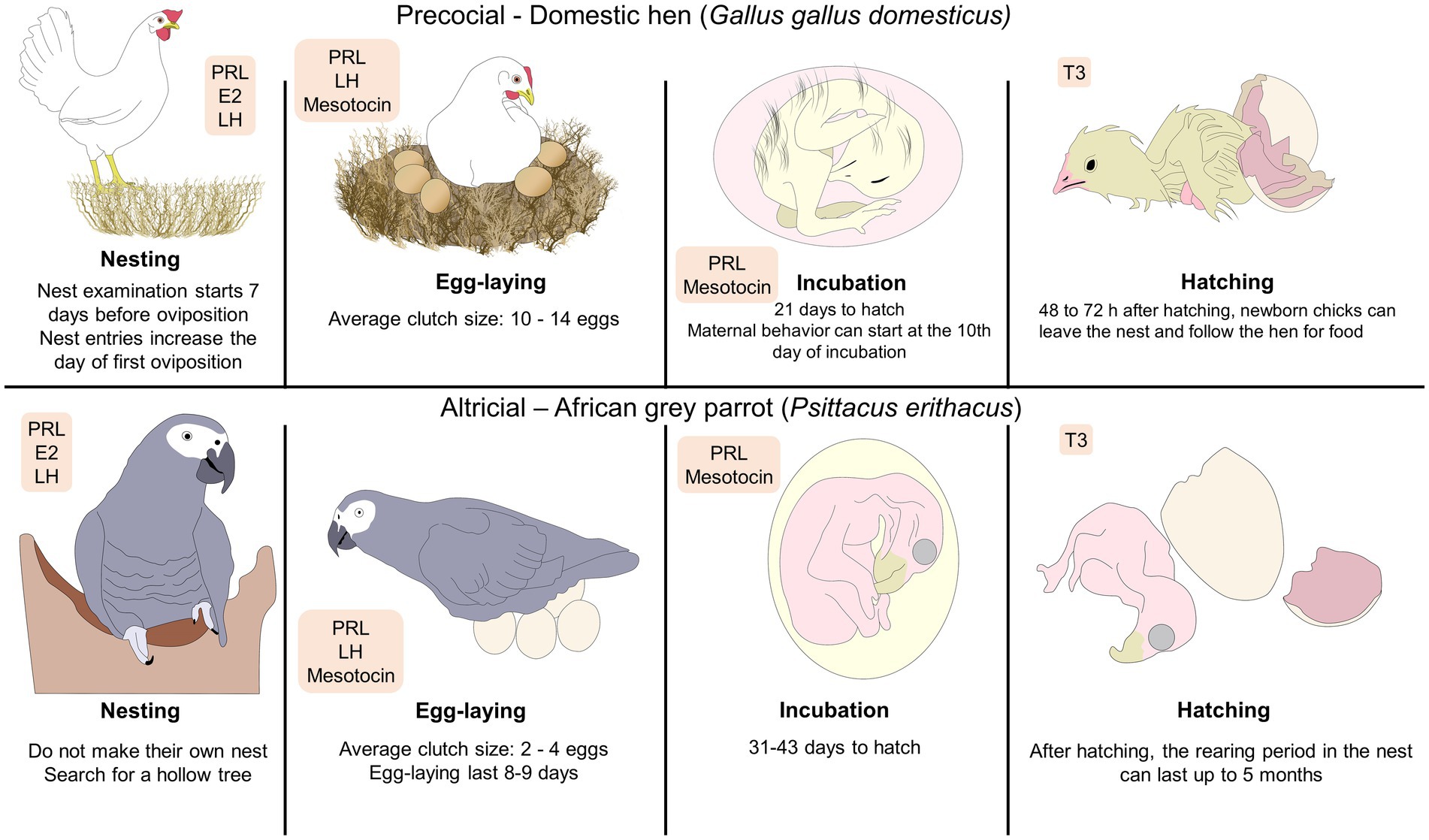
Credit: www.frontiersin.org
Feeding Habits And Nest Location
Birds exhibit remarkable behaviors when selecting nesting locations. The choice often aligns with their feeding habits. Understanding the relationship between diet and nesting can offer insights into avian ecology. Birds rely heavily on their diet to determine where they will nest. This section delves into the intricacies of feeding habits and nest location.
Feeding Preferences And Nesting Areas
Birds choose their nesting sites based on food availability. Species like finches prefer areas abundant with seeds. This ensures a steady food supply near their nests. On the other hand, insect-eating birds may nest in forested areas. Dense foliage provides ample insects for feeding.
Proximity To Food Sources
Nesting close to food sources reduces energy expenditure. Birds spend less time searching for meals. This proximity also aids in chick rearing. Parents can quickly bring food to the nest. The closer the nest, the better the chances for survival.
Seasonal Diet Changes
Birds adapt their nesting habits with seasonal diet changes. During spring, many birds shift to areas rich in insects. This shift supports the increased nutritional needs of their young. In winter, some birds move closer to seed-rich areas. These adjustments ensure consistent food access year-round.
Impact Of Human Activity
Human activities can disrupt natural food sources. Urbanization often reduces available food for birds. Some birds may move their nests to areas with more resources. Others might adapt to new food sources, altering their nesting behaviors. Understanding these impacts helps in conservation efforts.
Impact Of Food Availability On Nesting Success
The diet of birds can have a profound impact on their nesting success, particularly in relation to food availability. During the breeding season, birds are not just feeding themselves but also their young, which demands a steady and nutritious food supply. The abundance or scarcity of food can influence nest building, egg production, and the survival rate of chicks. This raises an intriguing question: How does food availability directly affect the success of a bird's nesting efforts?
Impact Of Food Availability On Nest Building
Birds need energy to gather materials and construct their nests. If food is scarce, they may opt for simpler structures to conserve energy. You might notice in your backyard, birds quickly assembling nests with fewer twigs and leaves when food sources are limited.
Influence On Egg Production
The availability of quality food sources can determine the number of eggs a bird lays. A nutrient-rich diet leads to healthier eggs and potentially more offspring. Have you ever wondered why some birds in urban areas lay fewer eggs? It could be linked to the lack of diverse food options.
Effect On Chick Survival Rate
Once the chicks hatch, their survival depends heavily on the parents' ability to provide sufficient food. In times of food scarcity, parents may struggle to feed all their chicks, leading to higher mortality rates. Observing local bird populations, you might see fewer juvenile birds in areas where natural food sources are depleted.
Role Of Seasonal Changes
Seasonal shifts can dramatically alter food availability, impacting nesting success. During spring, insects and seeds are abundant, supporting robust nesting activity. However, in harsher seasons, you might see a decline in nesting as birds conserve energy for survival rather than reproduction.
Consider how these dynamics might play out in your own environment. Are there ways you can support local bird populations by ensuring a steady food supply? Planting native plants or setting up bird feeders can make a significant difference in their nesting success. By understanding the link between diet and nesting behavior, you can become a more informed and proactive participant in the ecosystem.
Case Studies In Diverse Bird Species
Have you ever wondered how diet impacts bird nesting behavior? Birds, like us, are influenced by what they eat. Their diet can shape their nesting habits in surprising ways. Let's dive into some fascinating case studies from various bird species to uncover these intriguing connections.
The Curious Case Of The American Robin
American Robins are known for their bright red chests. These birds often change their nesting behavior based on diet availability. During fruit-abundant seasons, they prefer building nests closer to food sources.
Imagine watching them in your backyard. You might notice their nests shifting from one tree to another, following the ripest fruits. Have you ever seen this happen?
House Sparrows: Urban Diet, Urban Nesting
House Sparrows thrive in urban settings. Their diet mainly consists of scraps and insects. This diet influences their nesting choices. They often nest near human structures where food is readily available.
Think about the last time you saw a House Sparrow nest. Was it near a restaurant or a busy street? Their clever adaptation to urban environments is a testament to their resilience.
The Tropical Feast Of The Scarlet Macaw
Scarlet Macaws live in lush tropical rainforests. They feast on nuts and fruits. Their diet impacts their nesting behavior, leading them to choose high, safe tree cavities.
Picture a Scarlet Macaw high in the treetops, surrounded by a bounty of food. Their nests are strategically placed to protect their young and ensure easy access to nourishment.
Woodpeckers And Their Insect-rich Diet
Woodpeckers have a diet rich in insects. They peck at tree bark to find food, which influences where they build nests. They often choose trees that are a reliable source of sustenance.
Next time you hear that familiar tapping sound, consider how their diet determines their nesting location. How do these creatures choose the perfect tree?
As you observe birds around you, consider their diets. These case studies highlight how the food they consume shapes their nesting behavior. What other bird species do you think might change their nesting habits based on diet? Share your thoughts below!
Dietary Changes And Nesting Patterns
Birds exhibit fascinating nesting behaviors influenced by various factors. Among these, diet plays a crucial role. Changes in diet can significantly impact their nesting patterns. Understanding this connection helps in conserving bird species and their habitats.
Diet Influences Nest Construction
Diet affects the materials birds choose for nest construction. Birds with nutrient-rich diets often select sturdier materials. This ensures their nests are safe and durable. Birds with limited diets might opt for easily accessible materials. This choice may affect the nest's stability.
Food Availability And Nest Location
Birds prefer nesting sites near abundant food sources. This proximity reduces energy spent in food gathering. A rich diet allows birds to nest in optimal locations. Scarcity may force birds to choose less ideal nesting sites. These changes affect the overall success of nesting.
Impact On Breeding Success
Nutritional intake directly influences breeding success. A well-fed bird is more likely to have healthy offspring. Lack of nutrients can lead to fewer eggs and weaker chicks. This diet-nesting link is vital for species survival. Monitoring diet can provide insights into breeding patterns.
Adaptation To Dietary Changes
Birds adapt their nesting behaviors based on dietary shifts. Some species alter nesting times to match food availability. Others may change nest designs to cope with food scarcity. These adaptations highlight the importance of diet in nesting behavior. Understanding these changes aids in bird conservation efforts.
Challenges In Studying Diet And Nesting
Exploring the link between diet and nesting behavior in birds presents unique challenges. Different foods may influence energy levels, affecting nesting habits. Understanding these complex interactions can provide insights into bird ecology and conservation.
Studying the link between diet and nesting behavior in birds presents unique challenges. Observing these creatures in their natural habitat requires patience and meticulous attention to detail. Tracking what birds consume and how it influences their nesting can be an uphill task, often leaving researchers with more questions than answers.
Understanding Bird Diets
Bird diets are as diverse as the species themselves. Some birds feast on insects, while others prefer seeds or fruits. Capturing what birds eat daily is complex, given their mobility and varied feeding habits. To truly grasp how diet affects nesting, researchers must first understand what birds eat, which often demands innovative methods like video recording and tracking.
Monitoring Nesting Behavior
Nesting behavior varies widely among bird species. Some build elaborate nests, while others opt for simple structures. Monitoring these behaviors involves not just watching but also interpreting subtle cues. Researchers must note the materials used, nest location, and time spent building, all while minimizing disturbance to the birds.
Environmental Factors
Environmental conditions can influence both diet and nesting behavior. Changes in weather, habitat loss, and food availability all play crucial roles. You might wonder how a sudden drop in temperature affects a bird's diet and nesting habits. Such factors can complicate studies, requiring researchers to adapt quickly to changing conditions.
Technology In Research
Advancements in technology have opened new doors for researchers. Tools like GPS trackers and automated cameras help gather data without intruding on the birds' natural behaviors. These technologies provide a clearer picture of how diet impacts nesting, offering insights that were previously out of reach.
Data Collection Challenges
Collecting accurate data is a persistent challenge. Imagine trying to determine what a bird ate last Tuesday without directly observing it. Researchers often rely on indirect methods, like analyzing droppings or studying environmental impact. This requires careful interpretation and sometimes leads to conflicting conclusions.
Impact Of Human Activity
Human activities can disrupt both diet and nesting behavior. Pollution, urbanization, and deforestation alter habitats and food sources. You might ask how these changes influence birds' choices. Understanding the impact of human presence is crucial to accurately studying diet and nesting behavior.
Are We Asking The Right Questions?
The quest to understand diet's effect on nesting behavior begs the question: Are researchers asking the right questions? Should the focus be on the type of food or the availability? By challenging assumptions, researchers can refine their approach and uncover more precise answers. Embrace the complexity of this research, and consider how each factor intertwines with the next. Could your backyard offer clues about local bird diets and nesting habits? Observing birds in your area might provide insights and contribute to broader understanding.

Credit: en.wikipedia.org
Frequently Asked Questions
Can Diet Influence Bird Nesting Habits?
Yes, diet can impact nesting behavior in birds. Nutrient-rich diets promote healthier offspring and more efficient nesting. Birds with adequate food resources may select better nesting sites and engage more actively in nest-building. A balanced diet ensures energy for reproductive activities.
What Foods Improve Bird Nesting Success?
Foods rich in protein and essential nutrients enhance nesting success. Insects, seeds, and fruits provide necessary nutrients for egg production and chick growth. Balanced diets support stronger offspring and efficient nest-building. Access to varied food sources is crucial for optimal nesting behavior.
Do Malnourished Birds Nest Differently?
Malnourished birds may struggle with nesting activities. Lack of nutrients can lead to weaker offspring and less efficient nest-building. Birds may select suboptimal nesting sites due to limited energy. Ensuring adequate nutrition is key to successful nesting and raising healthy chicks.
How Does Diet Affect Bird Reproductive Health?
Diet significantly influences reproductive health in birds. Nutrient-rich diets support egg production and chick development. Adequate food resources contribute to more efficient nesting behavior. Balanced nutrition ensures energy for mating, nest-building, and caring for offspring, impacting overall reproductive success.
Conclusion
Diet plays a crucial role in bird nesting behavior. Birds need proper nutrients to build strong nests. A rich diet ensures they have enough energy. This leads to healthier offspring and better survival rates. Poor nutrition can result in weak nests.
This impacts the young birds' safety and growth. Observing bird diet helps in understanding their nesting habits. It provides insights into their survival strategies. For bird watchers, it's fascinating to see this connection. It shows how nature links food and life.
So, a bird's diet is more than just sustenance. It's vital for their overall well-being and success.