


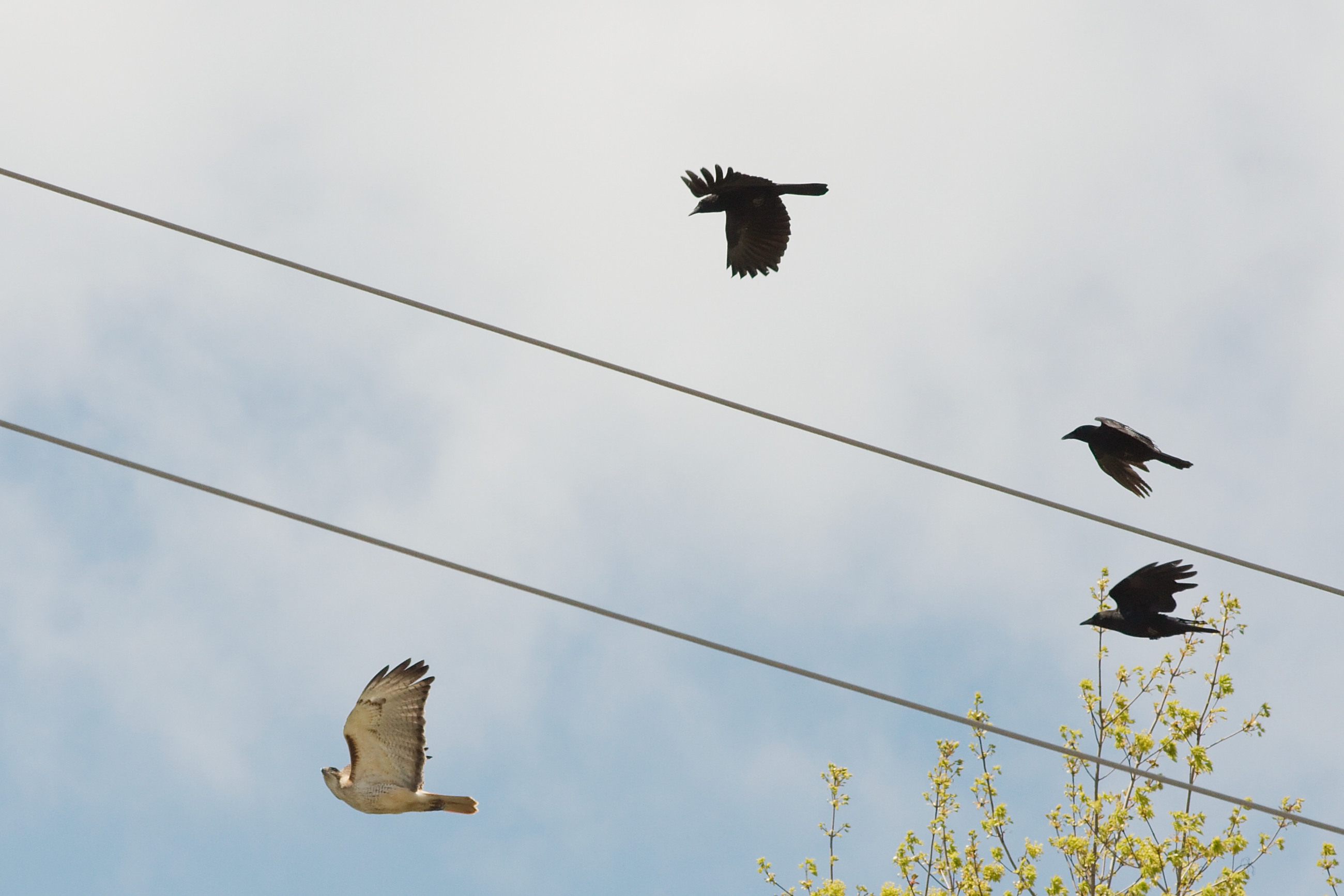
Imagine you’re strolling through a tranquil park when suddenly a group of birds erupts into a chorus of alarm calls, circling a larger bird. What you’re witnessing is mobbing behavior, a fascinating survival tactic in the avian world.
But have you ever wondered why birds react differently to various predators? Understanding how predator type affects mobbing behavior in birds can reveal incredible insights into their instincts and survival strategies. By delving into this topic, you’ll uncover how these feathered creatures decide when to rally together and how their tactics change depending on the threat they face.
Prepare to see the natural world in a whole new light, and discover the secrets of bird behavior that might just change the way you look at the skies above.
Bird Mobbing Behavior
Birds display mobbing behavior differently depending on predator type. Smaller predators might attract more birds, resulting in aggressive mobbing, while larger predators often see cautious approaches. Various bird species adapt their mobbing strategies to suit the threat level posed by different predators.
Birds exhibit fascinating behaviors to survive in the wild. One such behavior is mobbing. Mobbing is a collective action. Birds band together to confront threats. This behavior is widespread and vital for survival.
Definition And Purpose
Mobbing is a defensive strategy. Birds gather to harass predators. They aim to drive them away. This behavior is loud and aggressive. It serves two main purposes. First, it protects the mobbing birds. Second, it warns other birds nearby. It creates confusion for predators. This reduces the risk of attacks.
Common Bird Species Involved
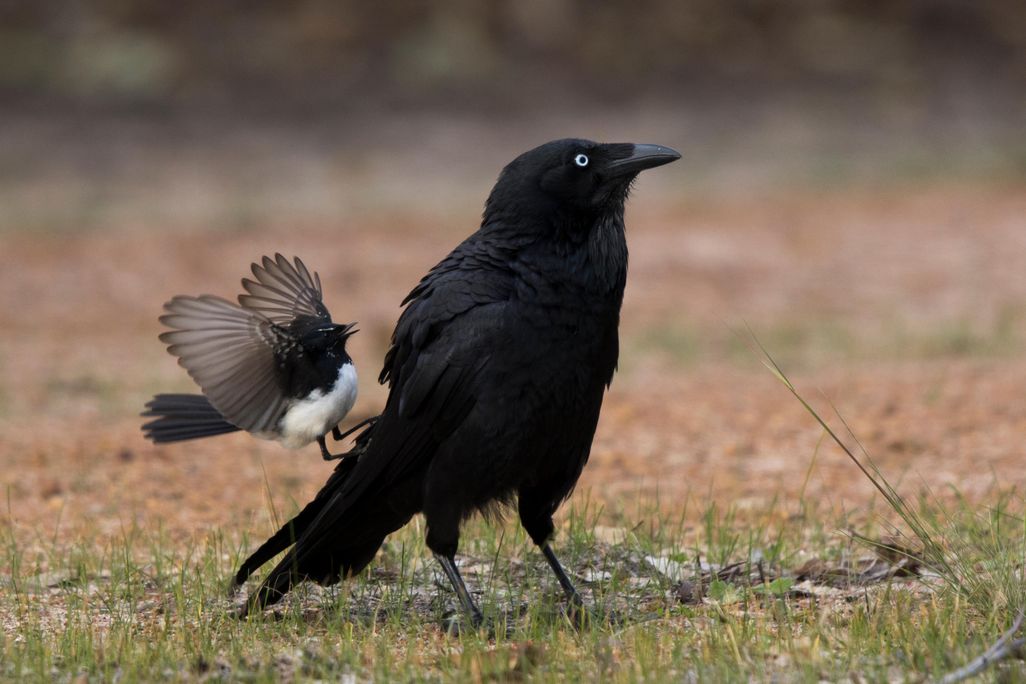
Many bird species engage in mobbing. Common participants include crows and jays. Also, blackbirds and sparrows join in. These birds are known for their social nature. They work together to ensure safety. Even small birds like chickadees participate. This shows the behavior's widespread importance. It is not limited to large birds. Each species has a unique role in mobbing. Together, they increase their survival chances.
Credit: en.wikipedia.org
Types Of Predators
Birds are fascinating creatures, exhibiting a range of behaviors to survive. One intriguing behavior is mobbing, where birds collectively harass a predator to protect themselves. Different types of predators trigger different mobbing responses in birds. Understanding these predator types can offer insights into the dynamics of bird communities. Let's explore the main types of predators that influence mobbing behavior.
Aerial Predators
Aerial predators like hawks and eagles pose a significant threat to birds. These predators swoop down from the sky, making quick strikes. Birds often respond by forming large groups, creating a noisy and confusing environment to deter these predators. Have you ever noticed a flock of small birds chasing away a much larger raptor? That's mobbing in action! It's a bold move that showcases unity and courage.
Terrestrial Predators
Terrestrial predators, such as cats and foxes, approach from the ground. Birds adapt their mobbing strategies, sometimes using loud calls and strategic positioning to confuse and distract. Picture a robin hopping and squawking around a curious cat; it's a classic standoff. These ground-level interactions require birds to be alert and agile, ready to take flight at a moment's notice.
Reptilian Predators
Reptilian predators, including snakes, pose a unique challenge. Their stealthy movements can catch birds off guard. Mobbing behavior against reptiles often involves aggressive dive-bombing tactics. Imagine a group of birds relentlessly swooping at a snake trying to raid a nest. This behavior highlights the importance of community defense mechanisms in ensuring survival.
Understanding how different predators impact mobbing behavior in birds allows you to appreciate the complexity of nature. How might these behaviors inspire your own approach to challenges? Observing birds can offer valuable lessons in strategy and teamwork.
Influence Of Predator Size
Birds show mobbing behavior to protect themselves from predators. The size of the predator influences this behavior greatly. Different strategies come into play based on the size of the threat. Let's explore how predator size impacts bird mobbing behavior.
Large Predators
Large predators can be intimidating. Birds often choose to mob them in groups. This collective effort helps to deter larger threats. Their size requires more birds to create an effective defense. Birds use loud calls and swift movements to scare the predator. This behavior aims to protect nests and young ones from danger.
Small Predators
Small predators often pose a different kind of threat. Birds might not need a large group to mob them. A few birds can effectively chase away a small predator. Small predators might include snakes or small mammals. Quick movements and sharp calls help in driving them away. This strategy ensures the safety of their territory and offspring.
Predator Hunting Techniques
Birds change their mobbing behavior based on predator type. Small predators trigger aggressive mobbing, while larger ones cause cautious tactics. This adaptation helps birds protect themselves effectively.
When you observe birds engaging in mobbing behavior, it's fascinating to consider how predator hunting techniques influence their actions. Different predators employ unique strategies to catch their prey, and birds have adapted their mobbing tactics accordingly. Understanding these predator hunting techniques provides insight into why birds react the way they do when faced with a threat.
Stealth And Ambush
Many predators rely on stealth and ambush to capture their prey. Imagine a cat silently stalking through the grass, waiting for the perfect moment to strike. Birds have developed keen senses to detect such predators early. Their mobbing behavior often involves noisy, aggressive displays to disrupt the predator's covert approach. Have you ever noticed how a flock of birds suddenly erupts in cacophony when a hawk appears overhead? That's a classic example of mobbing designed to thwart stealth and ambush.
Speed And Agility
Some predators, like falcons, depend on speed and agility. These predators can swoop down at incredible speeds to snatch a bird out of the air. To counteract this, birds may employ zig-zag flight patterns during mobbing. This makes it challenging for fast-moving predators to target a single bird successfully. Next time you witness a group of birds darting and weaving in the sky, consider how they're using agility to fend off speedy predators. Have you ever pondered how such predator-prey dynamics influence the evolution of bird species? Understanding these interactions can deepen your appreciation for the complexity of nature.
Bird Response Strategies
Different predators trigger varied mobbing behavior in birds. Smaller birds often mob slower predators like snakes differently than swift, agile ones like hawks. The predator's threat level influences the intensity and coordination of the birds' response.
Understanding how birds respond to predators is fascinating and crucial for bird conservation. Their strategies are diverse, shaped by the type of predator they face. From using vocal signals to mobilizing in groups, birds exhibit a range of tactics to protect themselves and their nests. As you read, consider how these behaviors might translate to other areas of life, like teamwork or communication in your daily interactions.
Vocalizations
Birds often use vocalizations as a first line of defense. These calls can be alarm signals that alert other birds of danger. Imagine walking through a forest and suddenly hearing a loud, frantic bird call. It’s like nature’s way of saying, "Watch out!" Some birds even mimic predator sounds to confuse or scare them away. Have you ever noticed how quickly information spreads when someone raises their voice in alarm? In the bird world, it's a matter of survival.
Physical Aggression
Sometimes, birds take a more direct approach. Physical aggression can involve swooping, pecking, or even striking the predator. This might seem risky, but for certain species, it's effective. Picture a small bird bravely confronting a larger predator. It’s a bold move and speaks to the courage and resilience found in nature. Have you ever faced a challenge head-on, despite the odds? These birds remind us that sometimes, the best defense is a strong offense.
Group Coordination
Birds excel in teamwork when mobbing predators. They coordinate their actions to confuse and overwhelm the threat. It's like watching a well-rehearsed dance, where every move is strategic. This group behavior can be seen when birds swarm around a predator, making it difficult to focus on a single target. Have you ever worked in a team where coordination was key to success? In bird life, collaboration is crucial, emphasizing the power of working together. Bird response strategies are a testament to the incredible adaptability and intelligence of these creatures. As you reflect on these behaviors, how might they inspire you in your own life? Whether it's through communication, courage, or collaboration, birds offer valuable lessons for us all.
Environmental Factors
Understanding how environmental factors influence mobbing behavior in birds is crucial. Birds exhibit varying mobbing responses based on their surroundings. These responses are affected by habitat type and seasonal changes. Each factor plays a unique role in shaping bird behavior.
Habitat Type
Birds adapt their mobbing strategies based on their habitat. Forests offer dense cover, impacting visibility and escape routes. Open fields expose birds to greater threats, making mobbing more intense. Coastal areas present unique challenges due to diverse predator types. Birds tailor their mobbing behavior to specific threats found in each habitat. The complexity of a habitat influences the level of cooperation among birds.
Seasonal Changes
Seasons greatly impact bird mobbing behavior. During spring, nesting increases, making birds more protective. Summer sees higher predator activity, leading to frequent mobbing. In fall, birds prepare for migration, altering their focus from defense to survival. Winter conditions limit resources, affecting the energy available for mobbing. Seasonal changes dictate the intensity and frequency of mobbing in bird populations.
Case Studies
Predator type influences bird mobbing behavior significantly. Birds mob differently when facing aerial, terrestrial, or snake predators. Understanding these patterns helps in studying avian defense strategies.
Understanding how different predator types impact mobbing behavior in birds can offer fascinating insights into their survival strategies. Case studies provide real-world examples that help illustrate these interactions. You might be surprised how specific predators influence the behavior of different bird species.
Specific Bird And Predator Interactions
Imagine a flock of small birds encountering a predatory hawk. Their mobbing behavior can be fierce, with loud calls and rapid flights. This collective effort aims to confuse and drive away the predator. On the other hand, when faced with a snake, birds often adopt a more cautious approach. They might keep their distance while maintaining a loud, persistent noise to alert others. Understanding these varied interactions helps you see the adaptable nature of birds in action.
Long-term Behavioral Studies
Long-term studies reveal patterns in mobbing behavior that might not be immediately apparent. Some birds change their mobbing tactics based on predator activity over time. Researchers have observed that birds living in areas with frequent predator visits develop more aggressive mobbing behaviors. This adaptation can increase their chances of survival. Have you ever wondered how these behaviors are passed down through generations? Long-term studies show that birds can learn from each other, sharing strategies to keep predators at bay. This fascinating aspect of bird behavior prompts us to consider how learning and survival are interconnected. Consider observing the birds in your area. Watch how they react to potential threats. You might find yourself noticing patterns and gaining insights into their survival strategies. What stories do your local birds tell through their interactions with predators?

Credit: www.sciencedirect.com
Implications For Conservation
Predator type influences how birds mob together for defense. Different predators cause varied responses. Understanding this helps in creating effective bird conservation strategies.
Understanding the dynamics of mobbing behavior in birds has significant implications for conservation. Birds often engage in mobbing to protect themselves from predators. The type of predator can greatly influence how birds respond. This behavior not only affects individual birds but also entire populations. Conservation efforts can benefit from understanding these interactions. By studying mobbing, we can better protect bird species and their habitats.
Impact On Bird Populations
Mobbing behavior plays a crucial role in bird populations. It can determine survival and reproduction rates. Birds that effectively mob predators may have better chances of survival. This behavior can lead to stronger, more resilient populations. Different predators provoke varied mobbing responses. This can influence which species thrive in an area. Understanding these dynamics helps in predicting population changes. It can also assist in identifying vulnerable species.
Conservation Strategies
Conservation strategies can benefit from insights into mobbing behavior. Protecting birds involves recognizing their natural responses to predators. This knowledge can guide habitat management and predator control measures. Encouraging natural predator-prey interactions can lead to balanced ecosystems. Conservationists can use mobbing behavior to prioritize actions. For instance, areas with high mobbing activity might need special attention. Monitoring these behaviors can inform adaptive management strategies. This ensures effective conservation and protection of bird species.
Credit: www.smithsonianmag.com
Frequently Asked Questions
What Is Mobbing Behavior In Birds?
Mobbing behavior is when birds collectively harass predators to protect their territory or offspring. This behavior can involve loud calls, flying at the predator, or even physical attacks. Different bird species exhibit mobbing in response to specific threats, adapting their strategies to the type of predator.
Do All Birds Mob Predators The Same Way?
No, mobbing strategies vary among bird species. Factors such as size, agility, and social behavior influence mobbing tactics. For instance, smaller birds may rely on numbers and noise, while larger birds might use more aggressive physical contact. Predator type also dictates the specific mobbing response.
How Does Predator Type Influence Bird Mobbing?
Predator type significantly impacts mobbing behavior. Birds assess the threat level based on predator size, speed, and hunting tactics. Aerial predators may face more aggressive mobbing, while terrestrial predators could encounter strategic distractions. Understanding predator characteristics helps birds adapt their defensive tactics effectively.
Why Do Birds Mob Certain Predators More?
Birds tend to mob predators that pose a higher threat to their nests or young. Predators like raptors, snakes, or mammals often trigger intense mobbing due to their hunting success rate. The goal is to deter these predators from approaching the vulnerable areas.
Conclusion
Birds adapt mobbing strategies based on predator types. Smaller predators face more aggressive mobbing. Larger predators see cautious approaches. Birds assess threat levels quickly. These decisions ensure survival. Understanding this behavior reveals nature's balance. Bird communities rely on cooperation. Mobbing protects nests and young ones.
Each species has unique tactics. Observing these behaviors enriches our knowledge. Birdwatchers gain insights into survival strategies. Nature's complexity fascinates and teaches. Through mobbing, birds display courage and intelligence. This behavior showcases their adaptability and resilience. Studying these interactions deepens our appreciation of wildlife.