


Imagine a world without the vibrant colors and melodious songs of birds. It's a daunting thought, isn't it?
Yet, every time you consider purchasing a bird, this possibility inches closer to reality. You might think bringing a feathered friend into your home is a harmless act. But have you ever considered the ripple effects this decision might have on conservation efforts?
We'll delve into the hidden consequences of buying birds, and how it might be inadvertently harming the very ecosystems you cherish. Your choices matter more than you realize, and understanding the impact of purchasing birds can empower you to make decisions that support the natural world. Keep reading to discover how you can be part of the solution, not the problem.
Impact On Wild Populations
Bird purchasing can severely affect wild populations. Capturing birds from their natural habitats leads to a decline in their numbers. Endangered species face a greater threat due to this practice. Understanding the impact on wild populations is crucial for conservation efforts.
Capturing Birds From The Wild
Many birds are removed from their habitats for sale. This disrupts ecosystems and balance in nature. Birds play key roles in their environments. They help with pollination and seed dispersal. Removing them impacts these processes. This can cause long-term ecological damage.
Capturing birds can lead to stress and mortality. Many birds do not survive the capture process. Those that do face poor conditions in captivity. This harms their health and well-being. Wild populations suffer as a result.
Depletion Of Endangered Species
Endangered species are at higher risk from bird trade. Their numbers are already low due to various threats. Habitat loss and climate change are major concerns. Bird trade adds another layer of pressure. Each capture reduces their chance of survival.
Illegal trade targets rare and exotic birds. These birds are often in high demand. This practice drives them closer to extinction. Conservation efforts struggle against these illegal activities. Protecting endangered species requires immediate action.
Efforts to save birds must focus on stopping illegal trade. Conservation programs aim to protect habitats and species. Educating people about the dangers of bird purchasing is vital. Understanding its impact can help preserve wild populations.

Credit: www.latimes.com
Influence On Ecosystems
Buying birds can negatively impact conservation efforts. It often leads to habitat destruction. This disrupts ecosystems and endangers species.
Purchasing birds may seem like a harmless hobby, but it has far-reaching consequences on ecosystems. Capturing birds from their natural habitats disrupts ecological balance. This disruption can have a domino effect, altering everything from food chains to plant pollination processes. Have you ever thought about how a single bird's removal can affect an entire ecosystem?
Disruption Of Natural Habitats
When birds are taken from the wild, their natural habitats suffer. Birds play critical roles in their environments, such as seed dispersal and pest control. Removing them disrupts these functions, causing plants and insects to proliferate uncontrollably. Imagine visiting a tropical rainforest devoid of its vibrant bird life; it feels empty and unbalanced. Moreover, birds contribute to the health of their ecosystems by helping to maintain plant diversity. A lack of birds can lead to overgrowth of certain plant species, which can crowd out others. This imbalance can eventually lead to a less diverse habitat, making it less resilient to environmental changes.
Effects On Biodiversity
Biodiversity thrives on the interdependence of species. When birds are removed, this delicate balance is upset, leading to reduced biodiversity. You might not realize how interconnected life is until you see the ripple effect of one species' absence. Birds often act as pollinators, aiding in the reproduction of a variety of plant species. Without them, many plants struggle to survive, which in turn affects the animals that rely on those plants for food. Consider the consequences: fewer plants mean fewer insects and herbivores, which then affects predators higher up the food chain. The decline in bird populations can also lead to increased pest populations. Birds often consume insects that are harmful to crops and trees. Without their natural predators, these pests can thrive, leading to agricultural damage and increased pesticide use. Have you ever wondered how much more food could be grown with nature's pest controllers in place? By understanding the influence of purchasing birds on ecosystems, you gain insight into the broader environmental impact. This knowledge empowers you to make more informed decisions that support conservation. So next time you consider adding a bird to your collection, think about the ecosystem you're impacting.
Ethical Concerns
Buying birds affects conservation efforts. It raises ethical concerns. Many people don't realize the impact of this action. Birds have a vital role in ecosystems. Their removal disrupts natural balance. This leads to serious ecological problems. Ethical issues arise from the trade and care of birds.
Animal Welfare Issues
Birds in captivity face many challenges. They suffer from stress and confinement. Their natural behaviors are restricted. This leads to physical and mental health problems. Birds need space to fly and interact. Inadequate conditions harm their welfare. Proper care is crucial for their well-being.
Legal And Illegal Trade
Bird trade involves legal and illegal aspects. Legal trade follows regulations. It aims to protect species and ecosystems. Illegal trade undermines conservation efforts. It threatens bird populations. Many species face extinction due to illegal trade. Stopping this trade is essential for conservation. Law enforcement plays a vital role. Educating consumers also makes a difference.
Economic Implications
Buying birds can damage conservation efforts. It leads to illegal trade, harming wild populations. This disrupts ecosystems and endangers species.
Purchasing birds, especially exotic ones, can have significant economic implications on conservation efforts. When you buy a bird, you might be unknowingly affecting local economies and fueling illegal trade. This doesn't just hurt the birds; it can also have broader consequences for the environment and communities involved.
Impact On Local Economies
Buying birds, particularly those from the wild, can disrupt local economies. Communities that rely on birdwatching tourism may suffer if bird populations decrease. This can lead to fewer jobs and less income for local guides and businesses. Consider the case of a small village that thrives on eco-tourism. If their native bird species are captured and sold, the village loses a vital attraction. This impacts not only the economy but also the community's cultural heritage. What if these communities had alternative income sources? Would it reduce the incentive to capture birds? It's a complex issue, and your choices can make a difference.
Role Of Black Market Trade
Illegal bird trade is a major issue worldwide. It operates outside legal frameworks and often involves endangered species. This black market exploits both birds and the people trying to protect them. Imagine buying a parrot that was smuggled across borders. You might think it's just a pet, but it supports a chain of illegal activities. This includes habitat destruction, poaching, and even bribery. By choosing not to purchase illegally traded birds, you help reduce demand. This can discourage poachers and traders from targeting vulnerable species. It's a small step, but it can lead to significant changes in conservation efforts. Have you ever thought about the origins of a pet bird? Understanding its journey can lead to more informed decisions. Your awareness can contribute to a larger movement towards sustainable and ethical wildlife practices.
Conservation Challenges
Purchasing birds might seem harmless, but it poses significant conservation challenges. Often, the allure of exotic birds can lead to unintended consequences that threaten their survival. It's a complex issue that involves regulations, awareness, and education. Let's explore these challenges further.
Insufficient Regulations
Regulations on bird trade are often weak and inconsistent. Many countries lack strict laws to protect endangered species from illegal trading. This loophole allows poachers to exploit birds in vulnerable regions.
Have you ever wondered why it's so easy to buy exotic birds online? The lack of stringent international policies makes it possible. Ensuring robust regulations can curb illegal trade and protect biodiversity.
Lack Of Awareness And Education
Many people aren't aware of the impact of buying birds on conservation. You might have seen an exotic bird in a pet shop and thought about getting one. But do you know where it came from?
Education plays a crucial role in conservation. By understanding the ecological impact of bird trade, you can make informed choices. Encouraging awareness can lead to a collective effort in preserving bird species.
Have you ever shared information about bird conservation with your friends? Simple conversations can spark interest and lead to change. It's about spreading knowledge and inspiring action.
What steps can you take to ensure bird conservation is a priority in your community? Consider supporting local initiatives or educating others. Every small action contributes to a larger solution.
Alternative Solutions
Buying birds can threaten conservation efforts. It increases demand for wild-caught species, leading to habitat loss and declining populations. Supporting ethical alternatives helps protect these creatures and their environments.
Purchasing birds may seem harmless, but it can negatively impact conservation efforts. Alternative solutions can help support bird populations and preserve natural habitats. By embracing these solutions, you can make a positive difference in the world of bird conservation.
Sustainable Bird Watching
Bird watching is a rewarding hobby. It allows you to appreciate the beauty of nature without disturbing it. Consider visiting bird sanctuaries or national parks. These locations promote conservation and protect bird habitats. Instead of buying birds, invest in quality binoculars or cameras. Capture moments and share them with others to raise awareness.
Support For Conservation Programs
Your involvement in conservation programs can make a real difference. Many organizations are dedicated to protecting bird species and their habitats. Donate to programs that focus on habitat restoration and species protection. Your financial support can help fund crucial research and conservation efforts. Volunteer with local conservation groups. Your hands-on involvement can have a direct impact on preserving bird populations. --- Have you ever considered how your actions affect bird conservation? Supporting sustainable practices and conservation efforts can ensure that future generations experience the joy of bird watching. Your choices can be powerful tools for change.
Role Of International Cooperation
International cooperation plays a crucial role in bird conservation. Many bird species face threats due to global trade. Protecting these species requires countries to work together. Cooperation can curb illegal trading and protect habitats. Through shared efforts, bird populations can thrive.
Global Trade Agreements
Global trade agreements are key in controlling bird trade. These agreements set rules for wildlife trade. They aim to prevent exploitation and illegal sales. Countries involved must follow strict regulations. This helps protect birds from being sold unlawfully.
Trade agreements often include monitoring systems. These systems track and report bird sales. They ensure legal trade practices are upheld. This reduces the chances of illegal activities. It also raises awareness about conservation needs.
Collaborative Conservation Efforts
Collaborative conservation efforts are essential for bird protection. Countries can share resources and knowledge. This collaboration strengthens conservation strategies. It builds a network of support for endangered birds.
Joint efforts can lead to better policy development. Policies can focus on habitat preservation. They can also address illegal hunting and trading. With shared goals, countries can achieve significant results. This cooperation helps maintain biodiversity and ecological balance.
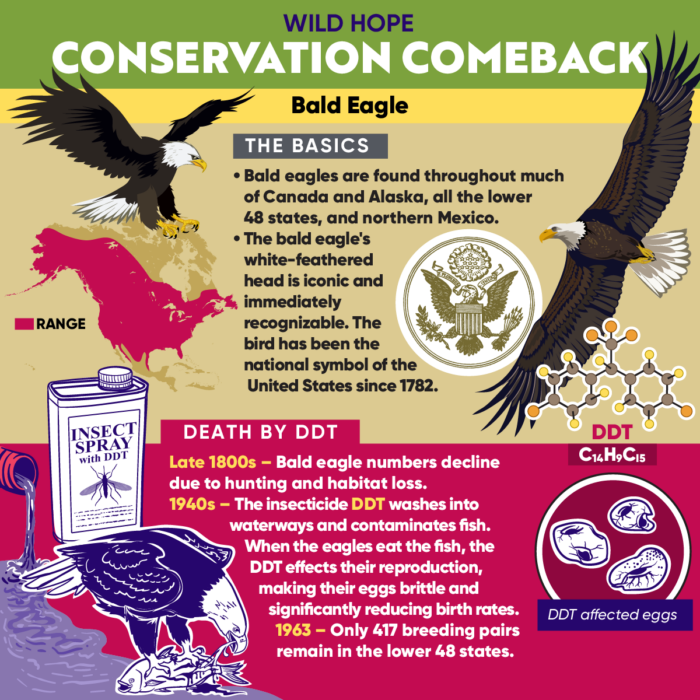
Credit: www.wildhope.tv

Credit: www.fws.gov
Frequently Asked Questions
Why Does Buying Birds Impact Conservation?
Purchasing birds can harm conservation efforts by encouraging illegal wildlife trade. This decreases wild bird populations. Captive breeding and ethical sourcing can help, but demand often leads to unsustainable practices. It's important to support conservation-friendly alternatives.
How Does Bird Trade Affect Ecosystems?
The bird trade disrupts ecosystems by removing key species from their natural habitats. This can lead to imbalances and affect biodiversity. The loss of these species can have cascading effects on other wildlife and plant life, impacting the entire ecosystem's health.
Are Captive-bred Birds A Better Choice?
Captive-bred birds can reduce pressure on wild populations. However, they don't always address the root conservation issues. Ethical breeders focus on sustainability, but not all operations are responsible. It's crucial to research and choose breeders committed to conservation.
What Are Legal Concerns With Buying Birds?
Buying birds involves navigating complex legal issues, including permits and regulations. Illegal trade is a significant problem, posing threats to conservation. Buyers should ensure they comply with international and local laws to support conservation efforts.
Conclusion
Buying birds can harm conservation efforts. It often increases illegal trade. Wildlife suffers when birds are trapped. Natural habitats face threats. Protecting bird species is crucial for biodiversity. Be mindful of where birds come from. Support conservation-friendly practices. Choose ethical sources if you buy birds.
Help preserve these beautiful creatures. Every action counts in saving wildlife. Your choices make a difference. Consider how your decisions impact nature. Together, we can safeguard our planet’s biodiversity. Let's cherish and protect our feathered friends. Sustainable choices benefit everyone, including birds.