


Imagine the journey of a bird, soaring through the skies, traveling thousands of miles to reach a safe haven. This is the reality for many migrating birds, and wetlands play a crucial role in their survival.
But why should you care about these unique habitats? Wetlands are not just a pit stop for these feathered travelers; they are a lifeline. They offer food, shelter, and a place to rest, making them indispensable for the survival of migrating birds.
By understanding the significance of wetlands, you can appreciate the incredible journeys these birds undertake and the vital role you play in their conservation. Get ready to explore why wetlands are essential, and how your awareness can make a difference in preserving these precious ecosystems. Keep reading to uncover the hidden wonders and challenges of wetland habitats, and how they connect to your life and the world around you.
Wetland Habitats As Rest Stops
Wetland habitats serve as crucial rest stops for migrating birds, providing food, shelter, and recovery during long journeys. These areas offer essential resources, ensuring birds survive exhausting travels. Rich in biodiversity, wetlands support the ecosystem, maintaining the delicate balance needed for migration success.
Wetland habitats are crucial stopovers for migrating birds. Picture these wetlands as bustling rest stops along a long, tiring journey. As birds travel thousands of miles, they need places to refuel and rest. Wetlands offer exactly that—a perfect pit stop packed with essentials. But what makes these habitats so vital for our feathered friends?
Food Resources For Energy
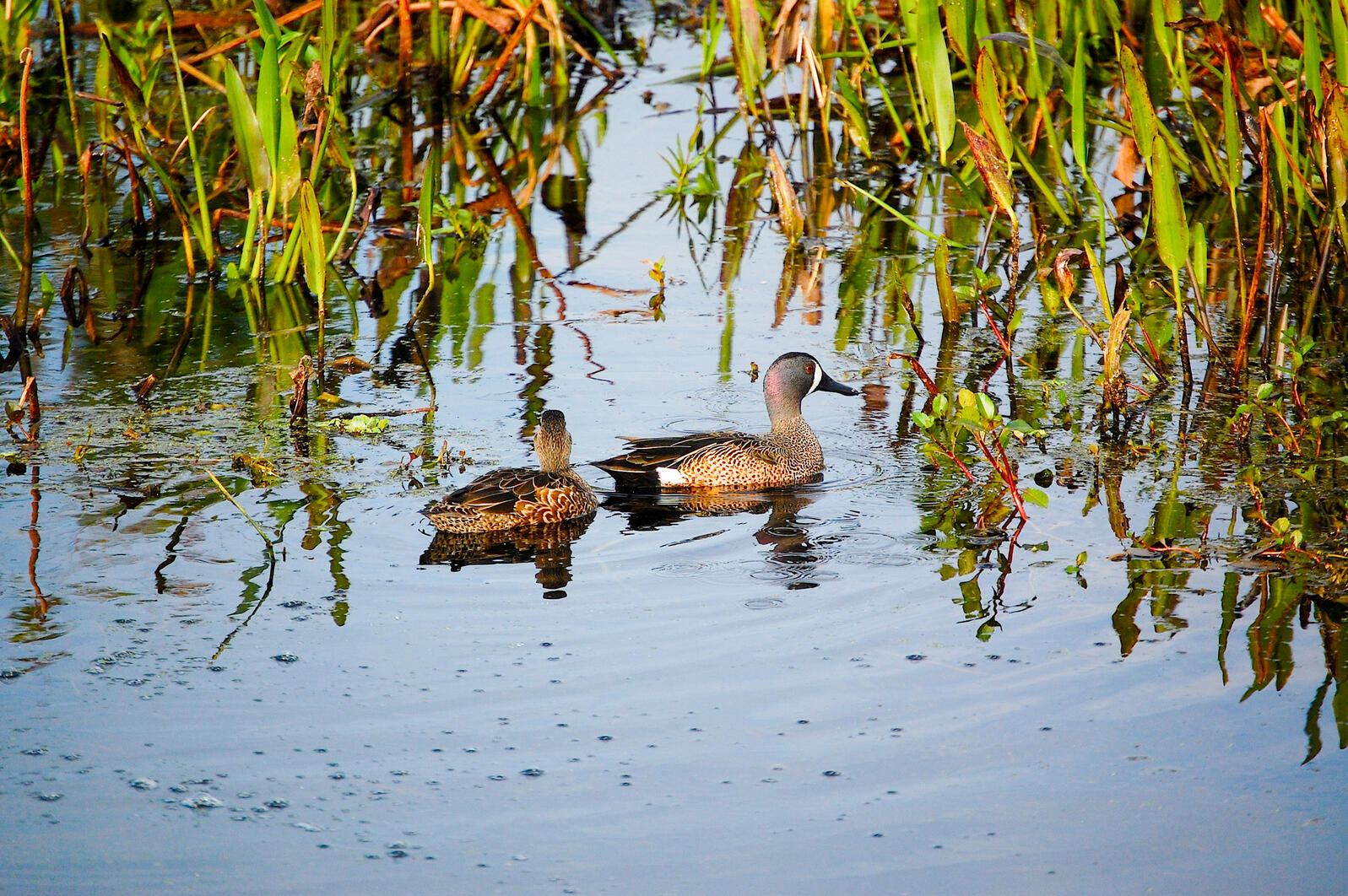
Wetlands are like nature's buffet for migrating birds. They are teeming with insects, fish, and plants that provide essential nutrients. These resources help birds replenish their energy for the next leg of their journey. Imagine you’re on a road trip and find a diner serving your favorite meal. It’s a similar feeling for birds when they find a wetland full of food. Without these food-rich habitats, birds would struggle to maintain their energy levels. Have you ever wondered what happens if they can't find food? The answer is simple: they might not survive the journey. Wetlands ensure birds have the fuel they need to reach their destinations.
Safe Havens From Predators
Wetlands also offer safety from predators. The dense vegetation provides excellent cover for birds. This makes it difficult for predators to spot them. Think about how you feel when you're safely tucked away at home. Birds experience a similar sense of security in wetlands. This allows them to rest without the constant fear of being hunted. How would you feel if your resting spot was always under threat? Birds rely on wetlands to recharge without worrying about predators. This safety net is crucial during their exhausting migrations. Incorporating wetlands into migration routes is not just beneficial but necessary. They provide the essential food and safety that birds need. Next time you see a wetland, remember its role as a vital rest stop for migrating birds. Consider how you can help preserve these crucial habitats for future generations.
Credit: gl.audubon.org
Biodiversity Support
Wetland habitats serve as crucial rest stops for migrating birds. They provide food and shelter during long journeys. These ecosystems support diverse wildlife, aiding birds in maintaining energy and health.
Wetland habitats are vital to the survival of migrating birds, offering a rich tapestry of biodiversity that supports their journey across continents. These unique ecosystems are teeming with life, providing essential resources for birds to rest, feed, and breed. But why exactly do wetlands play such a crucial role in supporting biodiversity, particularly for our feathered friends?
Diverse Plant Life
Wetlands boast a variety of plant species that create a perfect sanctuary for birds. The abundance of plants provides shelter and nesting sites, protecting birds from predators. Imagine walking through a lush wetland; you see tall grasses swaying and vibrant aquatic plants flourishing. These plants not only offer a safe haven but also contribute to the intricate food web. Birds rely on seeds, fruits, and the insects attracted to these plants to fuel their long migration.
Invertebrate Abundance
Invertebrates thrive in wetland habitats, offering a buffet for migrating birds. The rich soil and water create an ideal environment for insects like dragonflies, beetles, and worms. These creatures become a critical food source for birds, particularly during breeding and nesting periods. Have you ever watched a bird pluck a worm from the ground? That simple act is a testament to the thriving life in wetlands. This abundance of invertebrates ensures that birds can maintain their energy levels, which is crucial for their survival during long migratory journeys. When you think about biodiversity support in wetlands, do you consider the delicate balance of life that depends on these habitats? The next time you observe a wetland, notice the small details: the plants that sway, the insects that buzz, and the birds that soar. These elements work together to create a dynamic ecosystem, crucial for bird migration and beyond. By understanding the importance of wetlands, you can appreciate the role they play in sustaining the rich biodiversity that migrating birds rely on.
Water Quality Regulation
Wetland habitats serve as essential stopovers for migrating birds, providing food, shelter, and rest. These natural areas support a variety of life, ensuring birds can complete their long journeys. Clean water and a healthy ecosystem are crucial for maintaining these vital resources.
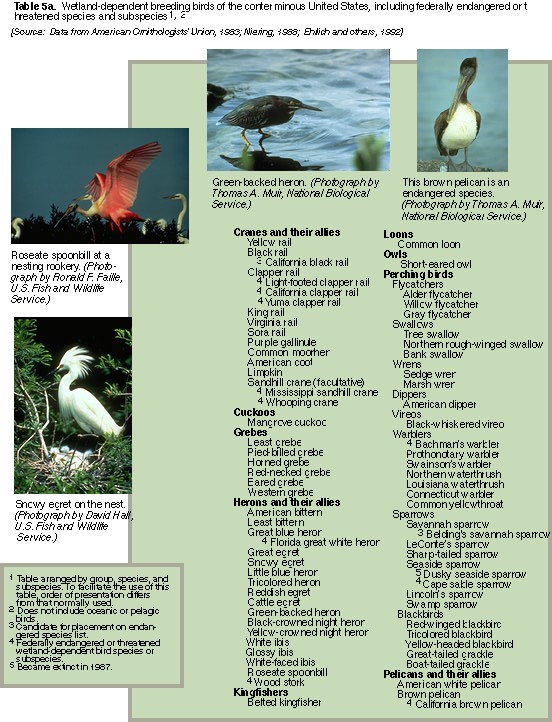
Wetland habitats play a crucial role in regulating water quality, which is essential for migrating birds. As these birds travel long distances, they rely on clean water sources to rest and refuel. Wetlands act as nature’s kidneys, filtering out pollutants and maintaining the health of water bodies. This natural process not only benefits birds but also enhances the overall ecosystem.
Natural Filtration Processes
Wetlands utilize a variety of natural processes to filter water. Plants, soil, and microorganisms work together to remove harmful substances like heavy metals and excess nutrients. As water flows through a wetland, plants absorb nutrients and contaminants, while soil and microorganisms break down organic matter. This ensures that the water leaving the wetland is cleaner than when it entered. I remember visiting a wetland and being amazed by how clear the water looked compared to the murky streams nearby. It was a testament to the wetland’s filtration power.
Ecosystem Health Benefits
By improving water quality, wetlands support the health of entire ecosystems. Cleaner water means healthier fish and insect populations, which are vital food sources for migrating birds. Additionally, a healthy ecosystem attracts a diverse range of species, creating a vibrant and dynamic habitat. Imagine a wetland bustling with life—frogs croaking, insects buzzing, and birds singing. That's the result of effective water quality regulation. Are you aware of the ripple effects of clean water on local biodiversity? By maintaining water quality, wetlands ensure that migrating birds have access to safe and nourishing stopover sites. This benefits not only the birds but also the broader environment, including you and your local community. How can you contribute to preserving these vital habitats?
Credit: water.usgs.gov
Climate Adaptation
Wetland habitats are crucial for migrating birds, offering essential rest and nourishment during their long journeys. These areas provide food, shelter, and protection, helping birds conserve energy. Without wetlands, many bird species would struggle to survive their migration.
Wetlands play a crucial role in helping migrating birds adapt to climate changes. These unique ecosystems offer a haven for birds, providing essential resources like food and shelter. As the climate continues to shift, wetlands become even more vital, supporting birds through their long journeys. But how exactly do they aid in climate adaptation? Let's explore the critical functions of wetlands in this context.
Temperature Regulation
Wetlands act like natural air conditioners. They help moderate temperatures, creating a stable environment for birds. During hot weather, wetlands cool the surrounding areas, providing a refreshing respite for migrating birds. Similarly, in cooler climates, wetlands retain warmth, offering a cozy refuge for these travelers. Imagine you're on a long road trip, and you find a rest stop with perfect weather—neither too hot nor too cold. That's what wetlands offer to birds. This temperature regulation is crucial, especially when birds are adjusting to new climates along their migration routes.
Flood Control Benefits
Wetlands serve as nature's buffer against flooding. They absorb excess rainwater, reducing the severity of floods. This flood control is not just beneficial for human communities but also for birds. When heavy rains threaten to inundate areas, wetlands soak up the surplus water, protecting habitats that birds rely on. Without wetlands, many bird species would face habitat loss, disrupting their migration patterns. Have you ever been caught in a sudden downpour without an umbrella? Wetlands are like an invisible shield, sparing birds from the worst impacts of severe weather. This natural flood management ensures birds can rest and refuel without the threat of disappearing habitats. Wetlands are more than just scenic landscapes; they are essential for the survival of migrating birds. By understanding their role in climate adaptation, you can appreciate the intricate balance of nature that supports these incredible journeys. How can you help protect these vital ecosystems for the future of our feathered friends?
Migration Pathways
Wetland habitats provide essential rest and food for migrating birds. These areas offer shelter and protection from predators. Rich in nutrients, wetlands support diverse species, ensuring birds stay healthy on long journeys.
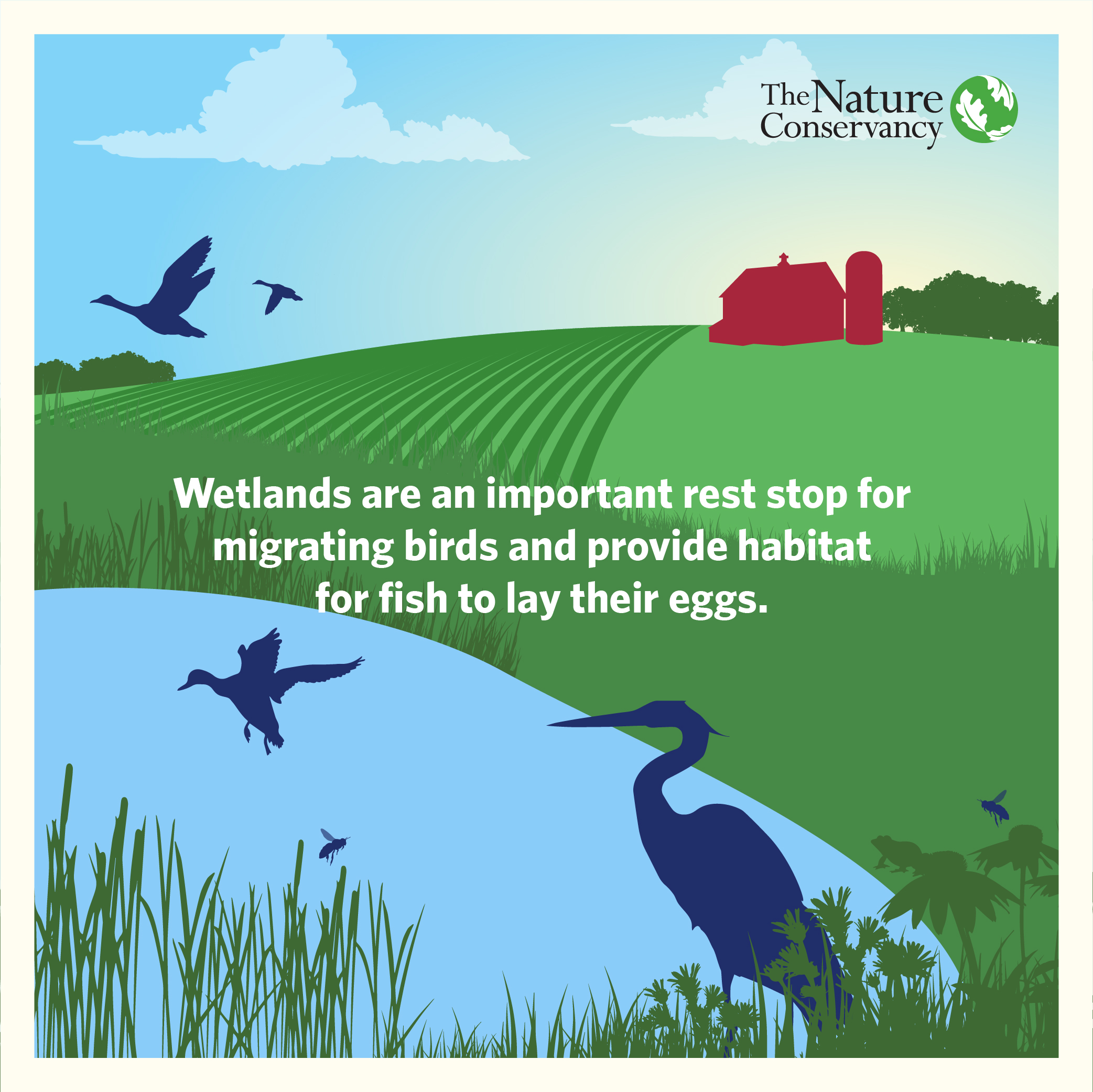
Migration Pathways Migration pathways are the lifelines for migrating birds, guiding them through their epic journeys across continents. These pathways are not random; they are well-trodden routes that birds have followed for generations. Wetlands play a crucial role in these pathways, offering safe havens where birds can rest, refuel, and prepare for the next leg of their journey.
Navigation Assistance
Have you ever wondered how birds manage to travel thousands of miles without a map or GPS? Wetlands act as natural landmarks for these avian travelers. As birds cross vast expanses of land and sea, wetlands serve as critical navigation aids, helping them stay on course. The unique features of wetlands, such as their water bodies and vegetation, are easily recognizable from the sky, making them essential waypoints along migration routes.
Connectivity Across Regions
Wetlands are like the connective tissue that links different regions of the world for migrating birds. Imagine you are on a long road trip, and the wetlands are your essential rest stops. They provide the food and shelter needed to continue your journey. Without these vital connections, birds would struggle to survive the journey. Wetlands ensure that birds can move freely and safely between breeding and wintering grounds, maintaining the ecological balance across regions.
Have you ever thought about what would happen if these pathways were disrupted? The impact would be profound, not just on birds but on the ecosystems they help maintain. As you reflect on this, consider how your actions can help preserve these critical habitats for future generations.
Credit: www.nature.org
Frequently Asked Questions
What Makes Wetlands Vital For Migrating Birds?
Wetlands provide essential resources like food, shelter, and breeding grounds for migrating birds. They act as rest stops during long flights, offering safety and nourishment. Rich biodiversity in wetlands supports bird populations, making them crucial for survival during migration.
How Do Wetlands Support Bird Migration?
Wetlands offer abundant food and safe resting areas for migrating birds. They serve as critical stopover sites, allowing birds to refuel and regain energy. The diverse habitat in wetlands helps birds maintain their strength and ensures successful migration.
Why Do Birds Choose Wetlands During Migration?
Birds choose wetlands during migration for their rich food sources and protection. Wetlands provide a variety of nutrients, helping birds sustain their energy levels. Additionally, the natural cover in wetlands offers safety from predators, making them ideal rest stops.
Can Wetland Loss Affect Bird Migration?
Yes, wetland loss can severely affect bird migration. Without wetlands, birds lose vital resources needed for survival during migration. Habitat destruction leads to decreased food availability and increased vulnerability to predators, disrupting migratory patterns and threatening bird populations.
Conclusion
Migrating birds rely on wetlands for survival. These habitats offer food and shelter. Birds find rest during long journeys. Wetlands help maintain ecological balance. Protecting them supports biodiversity. This is crucial for bird populations. Wetlands provide vital resources. They ensure safe migration routes.
Human activities can harm these areas. Conservation efforts are essential. By preserving wetlands, we help birds thrive. Their survival depends on healthy ecosystems. We must act to protect these natural habitats. A small step can make a big difference. Our future and theirs depend on it.
Let's ensure wetlands remain a sanctuary for birds.